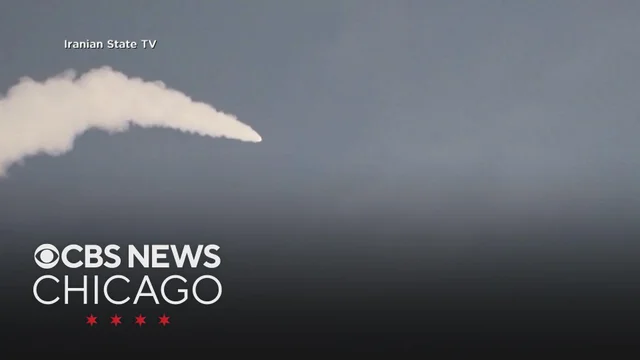
Iran's Islamic Revolutionary Guard Corps (IRGC) announced it had conducted strikes on US military facilities located in Jordan and Kuwait. The IRGC addressed the publics of Jordan and Kuwait, stating its operations were directed at US forces and not at the two countries themselves. These attacks occurred amidst ongoing US strikes targeting Iran and a broader regional escalation. The IRGC claimed the operation was executed "in punishment of the US army that kills children," and described it as a response to repeated American attacks on the territory of the Islamic Republic of Iran. The strikes on US military facilities in Jordan and Kuwait represent a significant escalation in the ongoing tensions between Tehran and Washington. This direct action by the IRGC shows the volatile security landscape in the Middle East, particularly as US forces continue to operate in the region.
Details of Jordan Strikes
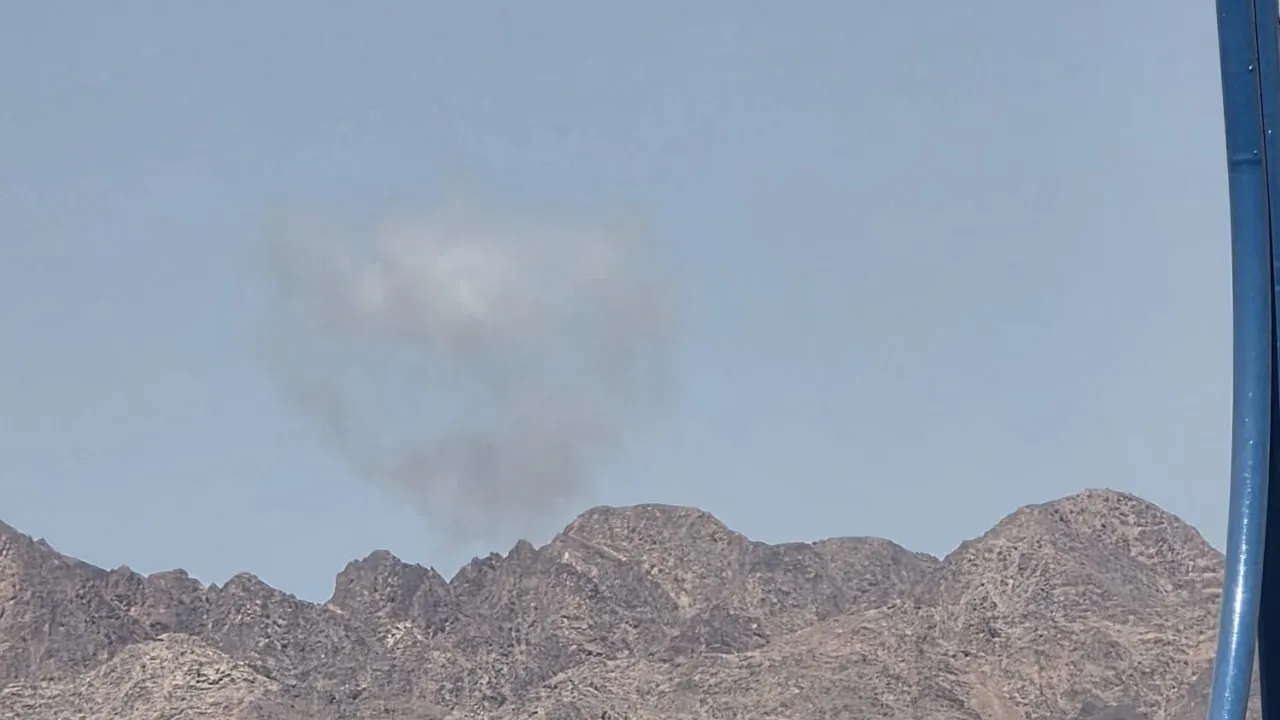
Iran's Islamic Revolutionary Guard Corps (IRGC) declared that it had targeted air defense systems, fuel depots, aircraft infrastructure, and troop facilities during its operations. These targets were identified by the IRGC as critical components of US military presence in the region. In Statement No. 45, the IRGC announced the destruction of a radar belonging to the US THAAD missile defense system during strikes on American bases in Jordan. The precision of these strikes, as claimed by the IRGC, indicates a strategic intent to degrade US defensive capabilities. Iranian forces also targeted a Patriot missile defense battery and a C-RAM radar system in Jordan, further aiming to neutralize key air defense assets. The IRGC further claimed that its forces set fire to fuel storage tanks, a large warehouse containing helicopter equipment, and a helicopter maintenance facility within the country during these strikes. The targeting of logistical and maintenance infrastructure suggests an effort to impair the operational readiness and sustainment capabilities of US forces stationed in Jordan. The full nature of the attacks on these facilities notes the IRGC's stated objective to inflict significant damage on American military assets.
Kuwait Operations Detailed
In Statement No. 44, Iran's Islamic Revolutionary Guard Corps (IRGC) announced attacks on several US military sites in Kuwait. These included specific targets at key American installations. Iranian forces struck a large military equipment warehouse, a Patriot missile defense system, and a hangar housing MQ-9 unmanned aerial vehicles at Ali Al Salem Air Base. The selection of these targets suggests an intention to disrupt both the offensive and defensive capabilities of US forces in Kuwait. The IRGC also stated that its operations targeted accommodations used by US forces and two helicopter hangars at Udairi Camp. These strikes reportedly resulted in an unspecified number of American personnel being killed and wounded, alongside significant damage to helicopters and drones. The claim of casualties and extensive material damage indicates a more aggressive posture from the IRGC, moving beyond mere symbolic strikes to operations with tangible impacts.
Iranian forces additionally struck a telecommunications tower in Kuwait. This action was described as a response to recent US attacks on communications infrastructure inside Iran, signaling a tit-for-tat escalation in cyber and electronic warfare capabilities. The Iranian Armed Forces later announced that drone strikes were carried out against US military facilities in Kuwait. These drone operations specifically targeted ammunition depots and logistical sites at Camp Doha, aiming to cripple supply lines and storage capabilities. Fuel storage tanks at Ali Al Salem Air Base were also hit, as was an ammunition warehouse located at Arifjan Base. The use of drones for these specific targets shows the evolving nature of modern warfare and Iran's increasing reliance on unmanned aerial vehicles for precision strikes. The targeting of these critical logistical points suggests a concerted effort to undermine the operational capacity of US forces stationed in Kuwait, indicating a broader strategy to exert pressure on American military presence in the Gulf region.
Regional Context and Israeli Reaction
Israeli Energy Minister Eli Cohen stated on Thursday that Israel remains on "high alert for any scenario," cautioning that any Iranian attack would provoke a forceful response. Cohen’s remarks come amidst heightened regional tensions, including Iran's recent claims of strikes against US military facilities in Jordan and Kuwait. The Israeli minister further reiterated Israel’s opposition to the US-Iran memorandum of understanding, which was signed last month. This opposition shows ongoing concerns in Tel Aviv regarding diplomatic engagements with Tehran, particularly given the recent escalation in military actions. Cohen's statement notes Israel's deep apprehension about any perceived softening of international stance towards Iran. The Israeli government views any strategic agreement with Iran with skepticism, especially in light of the IRGC's aggressive actions. Meanwhile, Israeli media reported intensified security coordination between Washington and Tel Aviv. These reports indicate a proactive stance by both nations amid expectations of further regional escalation following the IRGC's declared operations. The increased coordination reflects a shared assessment of the growing threats posed by Iran's military activities and a commitment to maintaining regional stability through joint defense efforts. The situation remains highly volatile, with the international community closely monitoring developments for any further signs of escalation.