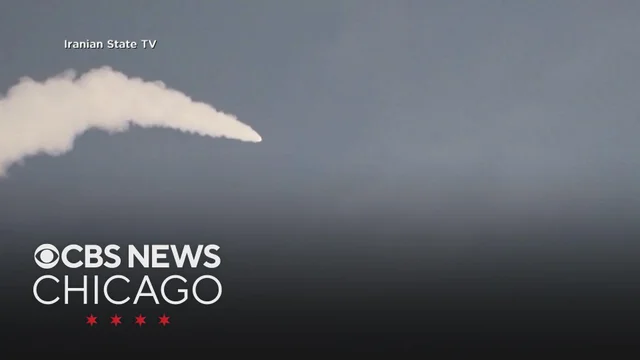
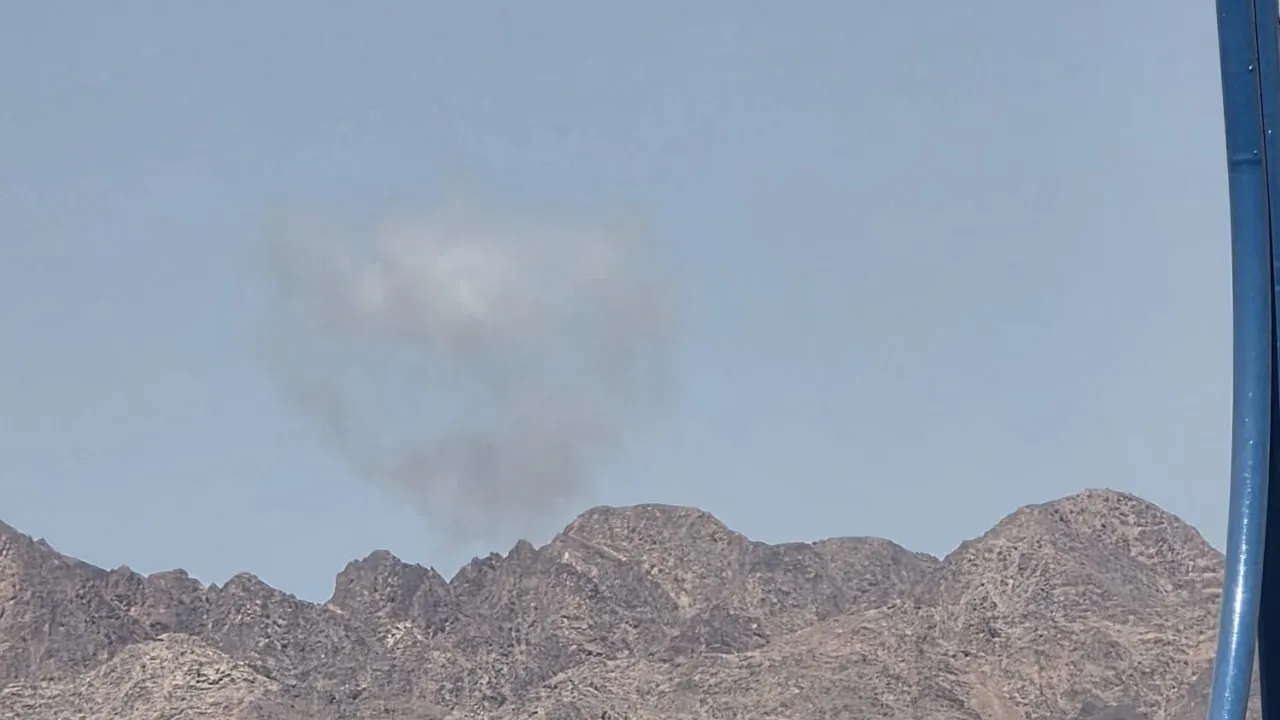
Iran’s Islamic Revolutionary Guard Corps (IRGC) released Statement No. 42 regarding Operation Nasr 2, asserting missile strikes destroyed drones and helicopters at U.S. Bases in Jordan. The IRGC claimed a hangar used to prepare F-15 fighter jets was struck during the operation. Additionally, two U.S. Heavy-lift helicopters suffered significant damage after a helicopter hangar was hit, according to the IRGC’s statement. These claims show a significant escalation in regional tensions, as reported by the IRGC.
Operation Details and Targets
The 25th wave of Operation Nasr 2, carried out by Iran's Islamic Revolutionary Guard Corps (IRGC), involved missile and drone strikes targeting the U.S. King Faisal and Prince Hassan bases located in Jordan. This extensive operation specifically aimed at critical U.S. Military infrastructure within the region. During these strikes, a drone maintenance facility was hit, which the IRGC identified as a key target. The IRGC announced that the operation was launched under the code name “Ya Hassan ibn Ali,” a designation often used for significant military actions. The operation was dedicated to the victims of the Shajareh Tayyebeh School in Minab, according to the IRGC's official statement, providing a purported humanitarian context for the military action. The targeted U.S. King Faisal and Prince Hassan bases are strategic locations in Jordan, housing various American military assets and personnel.
Reported Damage and Casualties
The Islamic Revolutionary Guard Corps (IRGC) reported that eight new MQ-9 drones were destroyed during the strikes before they could be placed into service, representing a substantial loss of advanced unmanned aerial vehicles. Additionally, two other MQ-9 drones sustained heavy damage, according to the IRGC's statements regarding the operation, further impacting U.S. Drone capabilities in the area. The IRGC also claimed that a strike on a U.S. Troop accommodation facility resulted in an unspecified number of American personnel being killed or wounded. These strikes specifically targeted U.S. Bases in Jordan, including King Faisal Air Base and Prince Hassan Air Base, which are critical operational hubs for U.S. Forces. The IRGC has not provided further details on the exact number or identities of the alleged casualties, leaving the full extent of the impact unconfirmed by independent sources. The destruction of multiple drones and damage to helicopters, if verified, would signify a considerable blow to U.S. Military assets in the region.
Context and Future Warnings
The Islamic Revolutionary Guard Corps (IRGC) asserted that the operation was executed in retaliation for recent U.S. Attacks on both Iranian military and civilian sites. This claim positions Operation Nasr 2 as a direct response to perceived aggressions by the United States against Iranian interests. The IRGC announced that its military operations would continue, indicating further actions could be expected if the current geopolitical climate persists. A warning was also issued by the IRGC, stating that if U.S. Attacks persisted, Iran would initiate more severe retaliatory operations. This stern warning shows the potential for a dangerous escalation of conflict in the region, with the IRGC clearly articulating its intent to respond forcefully to any future U.S. Military actions against Iran. The continuation of military operations, as stated by the IRGC, suggests an ongoing posture of readiness and a commitment to defending its perceived interests.
Publication Information
This article was published on July 22, 2026, at 2:26 PM.