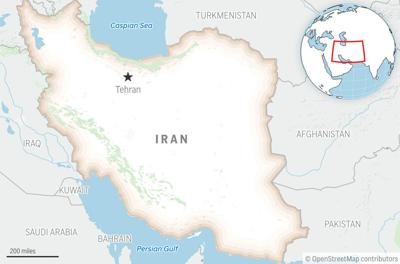
Jordan and Bahrain separately announced on Tuesday that their forces repelled Iranian drone attacks, marking a renewed series of aerial incursions in the region. The two Gulf states reported successfully intercepting the unmanned aerial vehicles amid heightened regional tensions, indicating a persistent pattern of such incidents. Jordan confirmed that its actions resulted in no reported injuries or property damage, showing the effectiveness of its defense systems against the aerial threats. Bahrain also reported successful interceptions, noting the coordinated defensive efforts in the face of these challenges.
Jordan's Defense Details
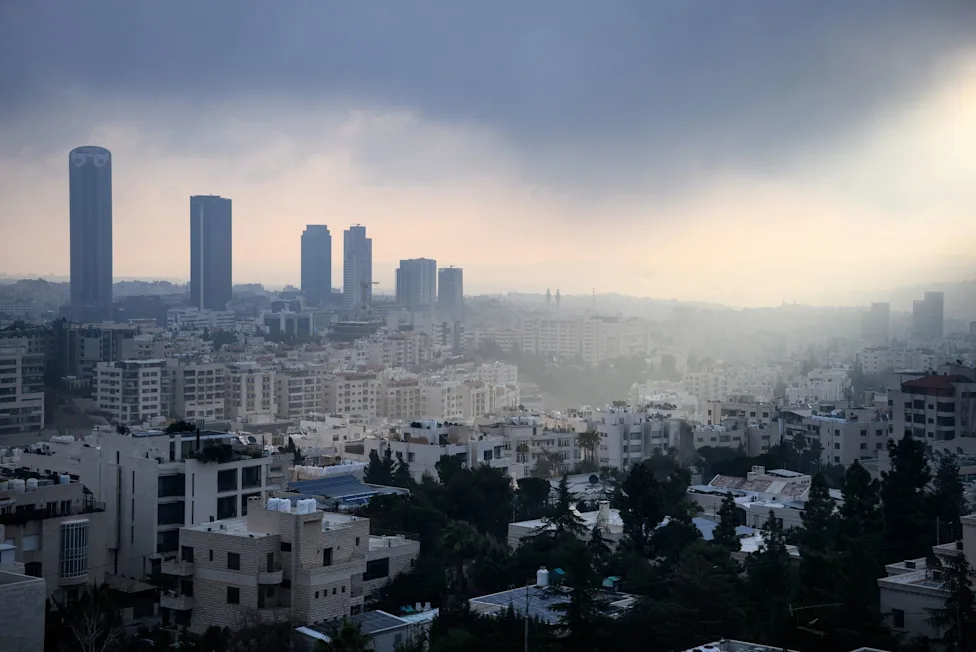
Jordan's armed forces stated they intercepted five drones launched from Iran overnight and into the morning hours. These unmanned aerial vehicles were successfully shot down by the military, preventing them from reaching their objectives. The interceptions occurred before any of the drones could reach their intended targets within Jordanian airspace, a key detail emphasized by military officials. This successful defensive operation ensured the safety of Jordanian territory and its populace. The precise timing of the interceptions, spanning from overnight into the early morning, suggests a sustained effort by the Jordanian military to monitor and neutralize threats. No injuries or property damage were reported by Jordan following these incidents, confirming the successful prevention of any adverse impact.
Bahrain's Interception and Accusation
Bahrain's military announced that its air defenses successfully intercepted several "hostile Iranian aerial targets." The interceptions were carried out by the Bahrain Defense Force, demonstrating its readiness and capability to protect national sovereignty. Following the incident, Bahrain accused Iran of deliberately targeting civilians and civilian facilities within the kingdom. This grave accusation noted concerns over the intent behind the aerial incursions, suggesting a potential escalation of aggressive tactics. The Bahraini government's statement showed the serious nature of these alleged attacks and the perceived disregard for civilian safety. The successful interception by Bahrain's air defenses served to mitigate potential harm and protect critical infrastructure.
Broader Regional Context
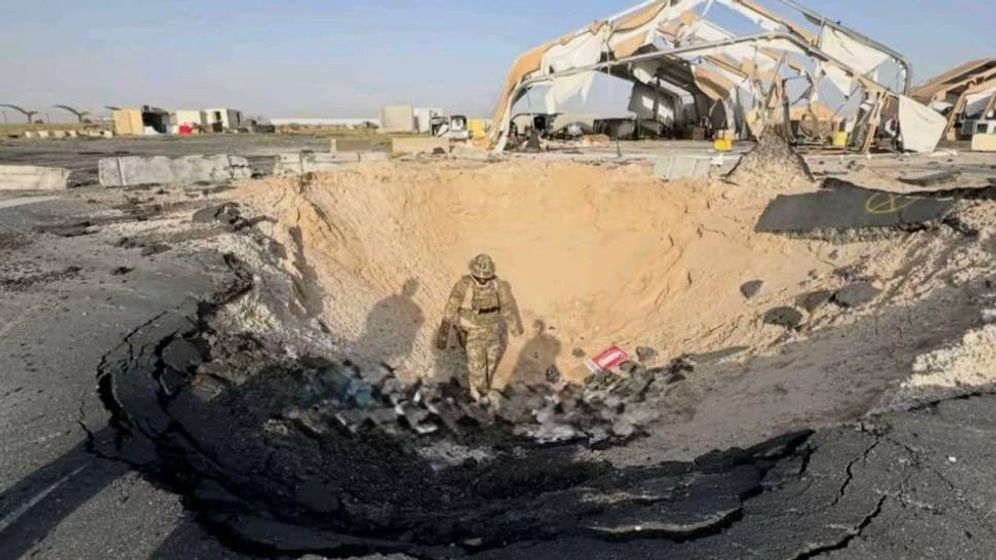
Tensions in the region continue to escalate following several days of US strikes on targets in Iran, creating a volatile geopolitical climate. These developments occur as the United States maintains a significant military presence in the Middle East, contributing to the complex security landscape. US forces are currently stationed in Jordan, as well as in several other Gulf states, including Bahrain, further entangling regional dynamics with international security interests. This military presence is a key factor in the ongoing strategic calculations of various regional and international actors. The presence of US forces in these host nations often draws them into broader conflicts.
Escalating Tensions
Tehran has responded to these developments by launching attacks against countries hosting US military bases in the region, intensifying the cycle of retaliation. These actions contribute to the heightened regional instability and show the interconnectedness of military deployments and geopolitical friction across the Middle East. The drone attacks reported by Jordan and Bahrain are seen within this wider pattern of escalating tensions, where military actions by one party often provoke responses from others. The repeated nature of these attacks, as indicated by Jordan and Bahrain stating they had "again" repelled Iranian attacks, points to an ongoing and sustained campaign of aerial incursions. This persistent threat necessitates continuous vigilance and strong defensive measures from the affected nations. The broader implications of these escalating tensions include potential disruptions to regional stability and international security.