Iran conducted three previously undisclosed attacks on US forces in Jordan during the week preceding last Friday's missile strike that resulted in the deaths of two American service members. These incidents have raised questions about the transparency of military reporting on regional conflicts. The Pentagon did not publicly disclose these incidents, nor the casualties and damage they caused, a decision that has drawn scrutiny from various quarters. The attacks occurred in the Middle East, specifically targeting US personnel stationed in Jordan, noting the persistent threats faced by American forces in the region.
Undisclosed Incidents Detailed
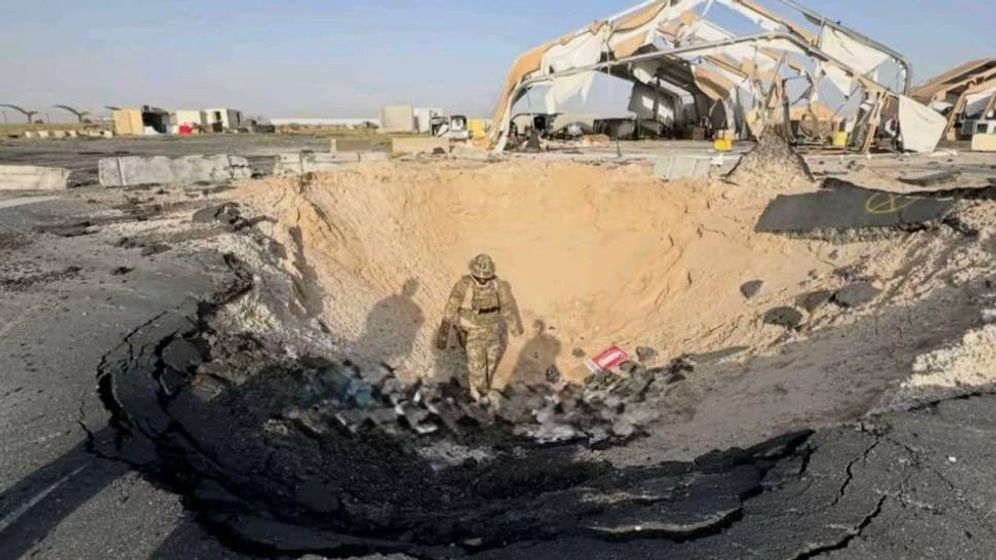
The previously undisclosed attacks wounded dozens of American troops and damaged several military helicopters stationed at the base in Jordan. These incidents occurred in the week leading up to last Friday's missile strike, creating a pattern of aggression that went unacknowledged publicly by U.S. Defense officials. The nature of these earlier attacks involved missile and drone targeting capabilities, similar to the methods employed in more widely reported incidents. These earlier, unannounced strikes caused significant concern within military circles, leading to internal discussions about operational security and information dissemination. Public updates regarding the number of injured troops who subsequently returned to duty have stopped in recent weeks, further complicating efforts to track the full scope of casualties from these incidents. This halt in reporting contrasts with previous practices of providing more consistent updates on service member injuries.
Reasons for Secrecy
U.S. Officials informed The New York Times that the military has intentionally restricted public reporting concerning certain Iranian attacks. This deliberate limitation on information flow is part of a broader strategy, according to these sources. A military source indicated that U.S. Central Command (CENTCOM) is not mandated to announce injuries sustained by service members, particularly when those individuals recover and return to active duty. This policy allows for discretion in reporting, especially for injuries that do not result in long-term incapacitation.
Another official stated that the Pentagon aims to prevent the release of operational details that could assist Iran in refining its missile and drone targeting capabilities against American bases located throughout the Middle East. This strategic withholding of information is part of an effort to limit the adversary's intelligence on U.S. Vulnerabilities, ensuring that sensitive data about base layouts, defense systems, and troop movements does not fall into enemy hands. The Pentagon's rationale centers on maintaining a tactical advantage and protecting personnel by not inadvertently providing Iran with data that could improve the precision and effectiveness of future attacks. This approach, while aimed at safeguarding national security, has nonetheless led to accusations of a lack of transparency regarding the full impact of sustained attacks on U.S. Forces.
Broader Conflict Context
Iran launched missiles over the weekend, impacting areas near the Jordanian port city of Aqaba, close to Israel's southern border. These strikes were reported near the border region shared by Jordan and Israel, showing the volatile nature of the geopolitical landscape in the Middle East. The proximity of these missile impacts to critical strategic locations notes the escalating tensions and the potential for broader regional destabilization.
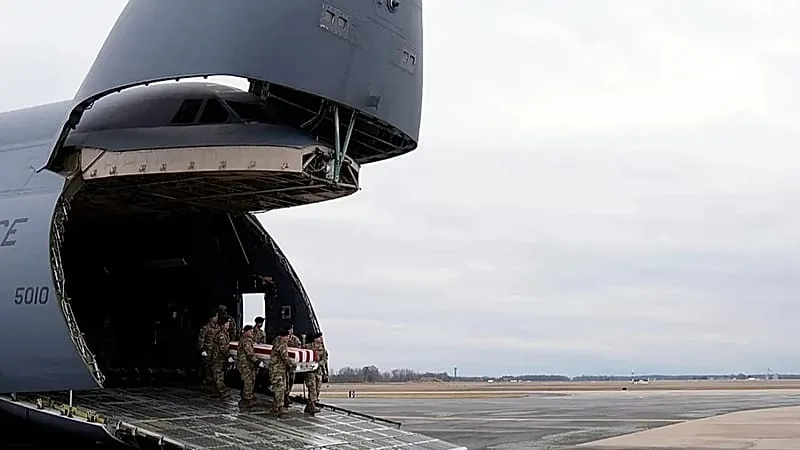
Since the beginning of Operation Iron Roar, 16 U.S. Military personnel have been killed. Additionally, more than 400 service members have been wounded during this period, according to U.S. Central Command (CENTCOM). The ongoing operations have seen persistent targeting of U.S. Forces in the region, with various militant groups, often backed by Iran, conducting numerous attacks. The cumulative toll of these casualties emphasizes the significant risks faced by American troops deployed in the Middle East as they continue to operate under challenging and dangerous conditions.