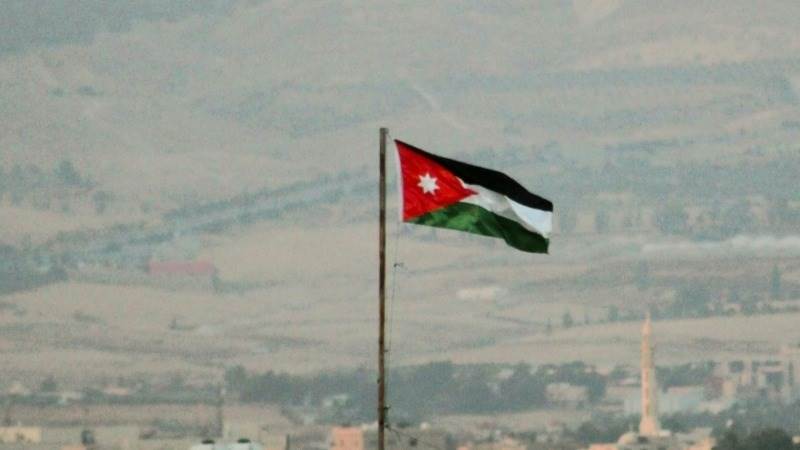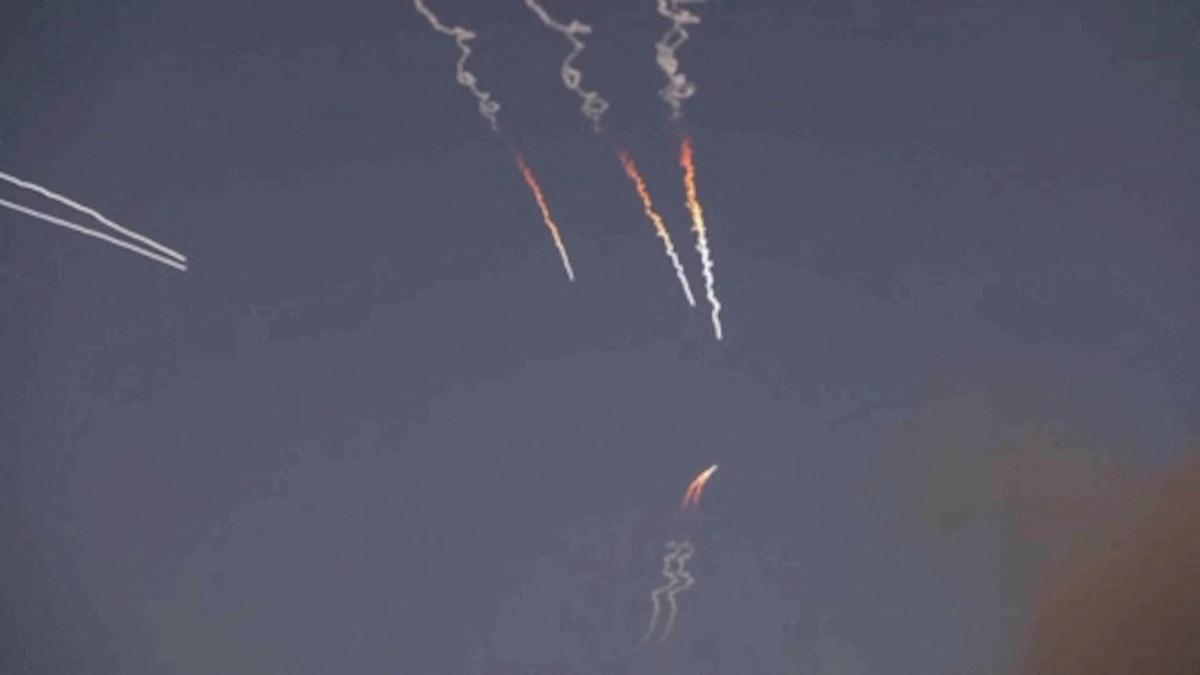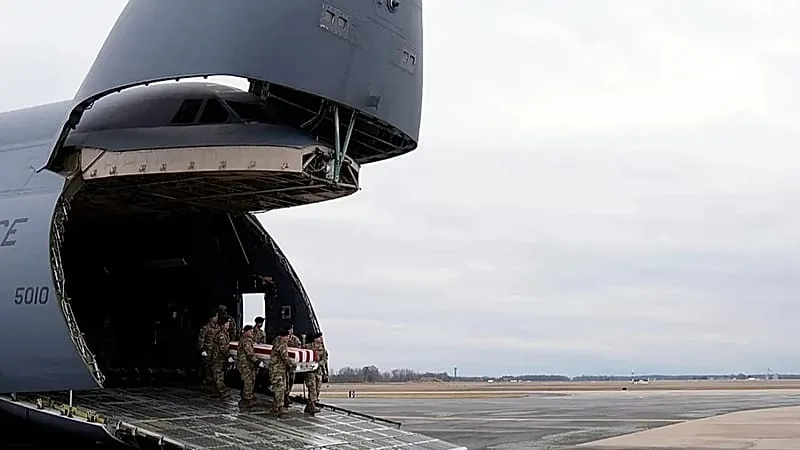
The U.S. Military on Saturday announced American forces carried out strikes targeting Iranian military infrastructure and Islamic Revolutionary Guard Corps (IRGC) forces after two U.S. Troops were killed and one went missing in Jordan. The announcement from the U.S. Military confirmed that two of its service members were dead and one was currently missing following Iranian attacks on a base in Jordan. US Central Command (CENTCOM) stated on Saturday that the operation targeted IRGC forces "that launched attacks against U.S. Service members in Jordan on July 17." The two servicemen were killed on Friday as the U.S. And partner forces defended against Iranian ballistic missile and drone attacks, marking a significant escalation in regional tensions.
US Retaliation Details
US Central Command reported that its seventh consecutive night of strikes targeted "surveillance sites, military logistics infrastructure, underground weapons storage, and maritime capabilities." These precision strikes were part of a broader response to the ongoing aggression and aimed at degrading Iran's capacity to launch further attacks against U.S. Personnel and interests in the region. The targeted infrastructure is critical to the IRGC's operational capabilities, including their ability to monitor and project power.
American airstrikes also hit an electricity and desalination plant located in Iran's southern Hormozgan province. This particular strike shows the strategic nature of the U.S. Response, targeting key civilian infrastructure that also serves military purposes or supports critical operations. The Bonji desalination plant was destroyed during the operations, leading to a significant disruption of water supplies for approximately 10,000 people in the area. This collateral impact notes the severity of the ongoing conflict and its potential consequences for civilian populations. Additionally, a desalination plant situated on strategic Qeshm Island, inside the Strait of Hormuz, sustained damage from the strikes. The targeting of facilities on Qeshm Island, a strategically vital location, further illustrates the U.S. Intent to impact Iranian capabilities in a critical maritime choke point.
Three bridges were hit on Saturday, including one positioned on a route leading to Bandar Abbas, which serves as Iran's main port. The destruction or damage to these bridges could impede logistical movements and supply lines key for Iranian military and commercial activities, potentially disrupting the flow of goods and personnel to and from the port. These strikes demonstrate a deliberate effort to cripple Iran's logistical and infrastructural backbone, which is essential for sustaining its military presence and projecting power within the region.
Escalating Regional Tensions
Fighting has intensified between both sides over control of the Strait of Hormuz, a critical maritime passage through which 20 percent of global shipping passes. This escalation in the strait is a direct consequence of the broader conflict, as both sides vie for dominance over one of the world's most vital waterways. Tehran closed the strait to shipping traffic on February 28 following what it described as deadly attacks by Washington and Israel against Iran. This closure immediately raised alarms globally due to the strait's importance for international oil and gas shipments. Since that time, Iran has maintained that the Strait of Hormuz must be under its sole control, asserting that vessels should pay fees to Tehran for transit. This claim has been widely rejected by international maritime authorities and nations relying on the strait for trade.
Iranian forces recently fired on some ships attempting to cross the strait, contributing to a noticeable reduction in maritime activity. These aggressive actions against commercial vessels have further exacerbated tensions and raised concerns about the safety of navigation in the area. Crossings in the key shipping passage have subsequently fallen to a three-week low, indicating the significant impact of the heightened security risks on global shipping and trade. The reduced traffic shows the tangible economic consequences of the military standoff in the Persian Gulf.
Separately, Kuwait reported it was responding to a new wave of Iranian missile and drone attacks. This comes after the Gulf state experienced barrages a day earlier that struck a power plant and an oil facility. The attacks on Kuwaiti infrastructure represent a dangerous widening of the conflict, drawing in other regional actors. Kuwaiti authorities stated that the nation's air defenses are currently confronting hostile missile and drone attacks, following what they described as "the sinful Iranian aggression." This strong condemnation from Kuwait notes the perceived threat from Iran and the regional solidarity against its actions. The targeting of critical energy infrastructure in Kuwait signals Iran's willingness to escalate beyond direct military confrontations and impact the economic stability of neighboring states.
Broader Conflict Context
The deaths of two U.S. Service members brought the total number of U.S. Troops killed in the conflict to 16, with over 430 wounded. This rising casualty count shows the human cost of the protracted conflict and the dangers faced by American forces deployed in the region. The U.S. Military has been actively engaged in defensive operations and retaliatory strikes, facing persistent threats from Iranian-backed groups.
Iranian authorities reported on Saturday that at least 50 people have been killed within Iran and more than 500 wounded due to U.S. Strikes in the past three weeks. Among these casualties, eight deaths occurred in a strike on a bridge on Friday. These figures, while difficult to independently verify, indicate the significant impact of the U.S. Retaliatory operations on Iranian personnel and infrastructure within its own borders. The reported casualties highlight the intensity of the conflict and the direct engagement between U.S. And Iranian forces.
The U.S. Embassy in Jordan stated that a "specific and credible threat" had prompted American citizens to avoid Aqaba's airport and seaport and to follow local security instructions. This advisory reflects the heightened security concerns in the region and the potential for spillover from the ongoing conflict. However, Jordanian authorities denied reports claiming that the airport and seaport had been evacuated, seeking to reassure the public and international community about the security situation in the country. Separately, four other service members who had been medically evacuated to Jordanian hospitals were subsequently discharged, indicating their recovery from injuries sustained during the attacks. The medical response and subsequent discharges provide a glimpse into the immediate aftermath of the attacks on U.S. Personnel and the care provided to those wounded.