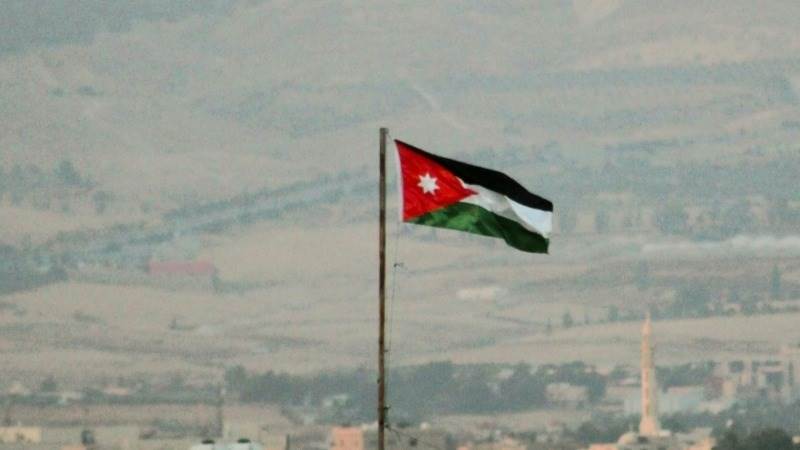
Jordan denied reports of an evacuation at Aqaba airport and seaport following a warning from the US embassy about a "credible threat." The Jordanian government dismissed claims that the facilities in Aqaba, a key Red Sea port city, had been cleared due to security concerns. This official denial came swiftly after widespread speculation. The US embassy had issued its alert to American citizens on 19 July 2026 at 12:03 BST, prompting immediate attention and concern within the region and among international travelers. The government's firm stance aimed to counter any misinformation regarding the operational status of its critical infrastructure in the southern city.
Official Denial Issued
Jordanian government spokesman Mohammad al-Momani told the Petra news agency that "relevant authorities have not issued any evacuation orders at the Aqaba airport or seaport." He further stated that both the airport and seaport in Aqaba were operating normally, with no disruptions to scheduled services or cargo handling. The spokesman's comments came in response to circulating reports regarding a potential evacuation of the vital Red Sea facilities, which had gained traction following the US security alert. Authorities emphasized that there were no disruptions to operations at either location, showing the stability of the situation on the ground. Mohammad al-Momani's statement directly contradicted claims suggesting that the port city's key infrastructure had been cleared due to security concerns, firmly asserting that such reports were unfounded. Normal activities were maintained at the port, which serves as a key economic hub for Jordan, handling significant volumes of trade and tourism. This consistent operation provided a stark contrast to the circulating rumors, allowing for continued economic activity and public confidence.
Context of Threat Warning
The US embassy in Jordan had previously issued a security alert to American citizens regarding a "credible threat" in the Aqaba area. This warning, dated 19 July 2026 at 12:03 BST, advised US citizens to exercise caution and remain vigilant. The alert did not specify the nature of the threat or its potential target, prompting concern among residents and international observers who sought clarity on the situation. While the US embassy issued this general warning, Jordanian authorities maintained that there was no basis for alarm or evacuation measures, working to reassure the public. The initial alert from the US embassy was a key factor in the subsequent rumors of an evacuation in Aqaba, causing a ripple effect of speculation. Despite the US warning, Jordan's government confirmed that operations at critical infrastructure, such as the Aqaba airport and seaport, remained uninterrupted and normal, demonstrating a unified front against potential panic. The timing of the alert, issued during daylight hours, contributed to its immediate spread and impact.
Assurance of Normal Operations
Mohammad al-Momani further stated that Jordanian authorities had not recorded any potential threats to Aqaba over the previous several hours, reinforcing the message of security and stability. His remarks aimed to reassure the public and international partners that the security situation in the Red Sea port city remained stable and under control. The spokesman's statements reinforced the government's position that the city's vital infrastructure, including the airport and seaport, was operating without disruption, functioning as usual for both commercial and passenger traffic. Despite the earlier US embassy warning, Jordanian officials maintained that there was no immediate danger necessitating an evacuation or heightened alert beyond standard security protocols already in place. The government's consistent denial of evacuation reports emphasized a commitment to maintaining normal operations and public confidence in Aqaba, a city key to the nation's economy and international standing. This firm and clear communication strategy was designed to dispel fear and ensure continued functionality of the vital Red Sea facilities.