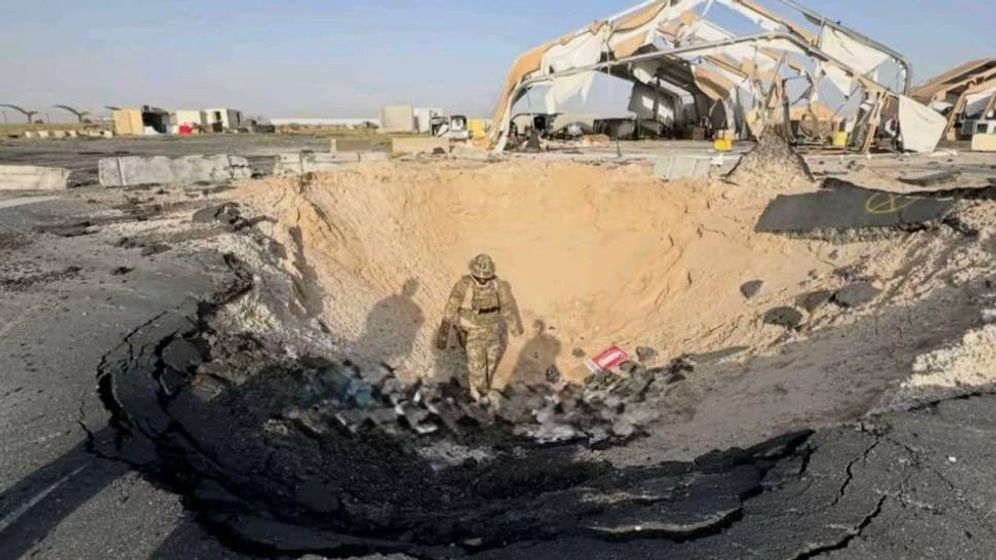
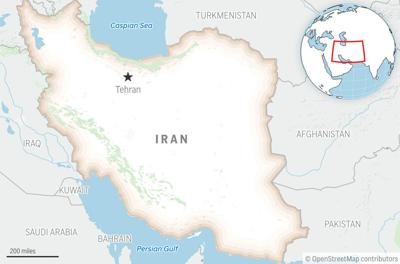
Jordan's Deputy Prime Minister and Minister of Foreign Affairs and Expatriates, Ayman Safadi, and Egypt's Minister of Foreign Affairs, Emigration and Egyptian Expatriates, Badr Abdelatty, spoke on Sunday to discuss efforts to de-escalate regional tensions. The two ministers reaffirmed their condemnation of Iranian attacks targeting Jordan and the Gulf Cooperation Council (GCC) states during their phone call. They stressed their full solidarity in confronting these attacks, according to statements from both officials. This joint condemnation shows a unified front against actions perceived as destabilizing to the Middle East. The discussion specifically focused on ongoing diplomatic efforts aimed at reducing the dangerous regional tensions, a critical point of convergence for both nations. The condemnation notes a shared concern over regional stability, emphasizing the need for collective action to safeguard peace and security in the volatile region. Both officials showed the potential for widespread repercussions if these tensions are allowed to escalate further, calling for immediate and concerted international efforts to mitigate the risks.
Regional Security and De-escalation
During their extensive discussions, Jordanian and Egyptian foreign ministers emphasized the importance of supporting initiatives designed to achieve a full agreement to address the root causes of the crisis. They noted that a lasting resolution requires a deep understanding and systematic approach to the underlying issues fueling instability. They also stressed the necessity of respecting the sovereignty and security of all states in the region, asserting that adherence to international law and non-interference in internal affairs are foundational for regional peace. The ministers showed the need to guarantee freedom of navigation through the Strait of Hormuz, in accordance with established international law, recognizing its critical importance for global trade and energy security. They further noted the urgent requirement for a ceasefire and renewed negotiations as the pathway to ending the current crisis, stressing that military solutions are unsustainable and lead to further suffering. Both officials also emphasized the importance of implementing all elements of U.S. President Donald Trump's plan, which aims to stabilize Gaza, viewing it as a full framework for achieving long-term peace and security in the area. They reiterated their commitment to fostering an environment conducive to dialogue and diplomatic solutions across the region, urging all parties to exercise restraint and prioritize de-escalation.
Gaza Humanitarian Crisis
Safadi and Abdelatty also discussed developments in the Gaza Strip and the occupied West Bank, according to official statements. They warned of a worsening humanitarian catastrophe in Gaza, attributing it to Israeli restrictions on the entry of sufficient humanitarian aid into the territory. The officials emphasized that the current aid levels are woefully inadequate to address the dire needs of the population, leading to widespread suffering and a deteriorating public health situation. They detailed how these restrictions are exacerbating an already critical situation, with essential supplies, including food, medicine, and fuel, failing to reach those most in need.
The two foreign ministers called for these restrictions on humanitarian aid to be lifted immediately, stressing the moral and legal imperative to ensure unimpeded access for humanitarian organizations. They urged for greater international efforts to ensure the humanitarian and medical needs of Gaza's population are met without hindrance, appealing to the global community to exert pressure for the opening of all crossings and the establishment of safe humanitarian corridors. Their discussion noted a shared concern over the escalating crisis and the necessity of immediate action to alleviate suffering in the enclave, emphasizing that the humanitarian situation cannot be separated from the broader political context. They showed that failure to act decisively would have severe and irreversible consequences for the civilian population.
West Bank and Jerusalem Concerns
The two ministers also condemned what they described as Israel's illegal measures in the occupied West Bank. They stated that these actions further entrench the occupation, violating international law and posing a dangerous escalation that threatens regional peace and stability. These measures, they elaborated, include settlement expansion, land confiscation, and the demolition of Palestinian homes, all of which systematically undermine the prospects for a two-state solution. Ayman Safadi and Badr Abdelatty further warned against Israeli actions aimed at altering the historical and legal status quo of Islamic and Christian holy sites in occupied Jerusalem, asserting that such actions are provocative and risk igniting broader religious conflict. They specifically noted concerns over attempts to change the demographic and cultural character of the city, which is sacred to billions worldwide. The officials called for effective international action to halt such measures, emphasizing the need to preserve the historical and legal character of these sacred sites and to respect the custodianship arrangements that have been in place for centuries. Their joint statement showed a shared concern regarding the escalating tensions and violations in these territories, stressing that the international community has a responsibility to uphold international law and protect the rights of Palestinians. They urged for concrete steps to prevent further erosion of the status quo and to ensure the protection of cultural and religious heritage.
Two-State Solution Reaffirmed
Jordan's Deputy Prime Minister and Minister of Foreign Affairs and Expatriates, Ayman Safadi, and Egypt's Minister of Foreign Affairs, Emigration and Egyptian Expatriates, Badr Abdelatty, reiterated that the two-state solution remains the only viable path to achieving a just and lasting peace. The officials affirmed that this solution involves ending the occupation and establishing an independent Palestinian state along the June 4, 1967 lines, with East Jerusalem as its capital, in accordance with international law. They emphasized that this framework is internationally recognized and provides the most full and equitable resolution to the decades-long conflict. Both ministers stressed that any alternative approaches would only perpetuate conflict and instability, making it imperative for the international community to redouble its efforts in supporting the two-state solution. They also showed the importance of creating a political horizon for serious and effective negotiations to achieve this outcome, warning against actions that undermine prospects for peace. The officials concluded by affirming their unwavering commitment to working with all relevant international partners to realize the vision of a sovereign, independent Palestinian state living side-by-side with Israel in peace and security, thereby contributing to broader regional stability.