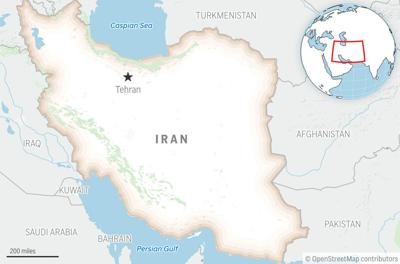
Jordan's military intercepted five drones launched by Iran that were targeting the kingdom, according to reports from Dubai, United Arab Emirates. The incident was reported four hours ago, with the article published on July 21, 2026. This interception marks a significant development in the ongoing security challenges faced by nations in the Middle East.
Drone Interception Details
Jordanian defense forces successfully intercepted five unmanned aerial vehicles (UAVs) on July 21, 2026, which were identified as having been launched by Iran. These drones were reportedly targeting locations within the Hashemite Kingdom. The interceptions occurred as the drones traversed Jordanian airspace, preventing them from reaching their intended targets. Authorities have not yet disclosed the specific type of drones involved or the exact locations they were aiming for within Jordan. The successful operation shows the vigilance and capability of Jordan's air defense systems in protecting its sovereign territory.
The incident was first reported approximately four hours prior to the issuance of this article, according to information originating from Dubai, United Arab Emirates. Jordanian military officials confirmed the operation, stating that their air defense systems were activated to neutralize the threat. The activation of these systems involved rapid detection, tracking, and engagement protocols designed to counter aerial intrusions. The Ministry of Foreign Affairs in Amman has initiated diplomatic communications following the event, though details of these discussions remain undisclosed. Such diplomatic engagement typically involves bilateral discussions with relevant parties and potentially formal protests regarding airspace violations. The precise trajectory of the drones and their point of origin within Iran are under investigation, a process that often involves forensic analysis of radar data and intercepted communications. No casualties or damage were reported on Jordanian territory as a result of the interception, noting the effectiveness of the defensive measures taken. The military's swift response ensured that the drones posed no threat to civilian populations or critical infrastructure within the kingdom.
Regional Tensions Context
The interception of Iranian drones targeting Jordan adds to ongoing regional tensions in the Middle East. The incident noted the complexities of airspace security in a volatile geopolitical landscape. Jordan has previously voiced concerns over regional stability, particularly regarding the movement of unmanned aerial vehicles in its vicinity. Such developments often prompt increased vigilance and potential diplomatic engagement among affected nations. The use of UAVs by state and non-state actors has become a growing concern for regional security, presenting challenges for traditional air defense strategies. The United Arab Emirates, where the initial report originated, is also closely monitoring regional security dynamics, given its own strategic interests and concerns about regional stability. This event shows the continued challenges faced by countries like Jordan in maintaining sovereignty and security in an area prone to such incidents, requiring constant adaptation of defense capabilities and diplomatic strategies. The region's intricate web of alliances and rivalries means that such incidents can have broader implications for peace and stability.
Official Statements and Reactions
No official statements from Jordan regarding the intercepted drones have been released as of this report. Similarly, Iran has not issued any public comments or acknowledgements concerning the incident. The Associated Press noted that the absence of immediate official reactions from either nation is typical in the initial hours following such events, as details are verified and diplomatic channels are engaged. This period often involves internal assessments by the affected parties and discreet communications to avoid escalating tensions prematurely. International bodies have also refrained from comment, awaiting further clarity from the involved parties before issuing any public statements. The United States, a key ally of Jordan, has made no statement on the matter, which is also customary during the early stages of such incidents as information is gathered and verified. Observers suggest that diplomatic consultations are likely underway behind the scenes, as nations assess the implications of the drone interception and consider their next steps. The lack of immediate public statements does not diminish the gravity of the incident but rather reflects a measured approach to a sensitive geopolitical situation.