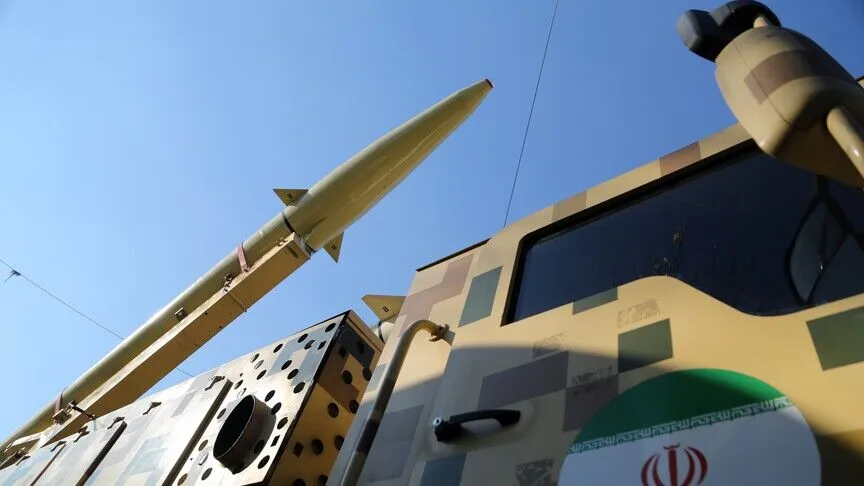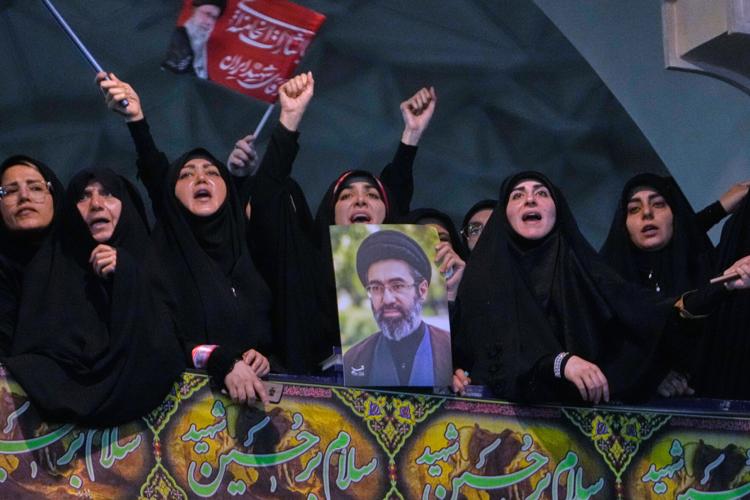
The U.S. Military reimposed a blockade on Iranian ports early Wednesday, following an announcement by U.S. President Donald Trump on Monday. This re-imposition of the blockade marked a significant escalation in the ongoing tensions surrounding the critical maritime trade route. The blockade was reimposed specifically due to Iran’s attacks on ships trying to pass through the Strait of Hormuz, according to U.S. Officials. President Trump stated on Monday, "because I don’t think anybody should be able to charge a fee for the strait," referring to the Strait of Hormuz, and issued a stern warning to Iran, "You better make a deal, or you’re not going to have anything left." In response to these developments, Iran’s paramilitary Revolutionary Guard threatened Wednesday to halt all energy exports from the Middle East due to the blockade, declaring, "The export of oil and gas from the region will be either for everyone or for no one." The regional impact of the conflict was immediately apparent, with Jordan reporting that it had successfully shot down three incoming Iranian missiles. U.S. Navy Adm. Brad Cooper further stated that Iran had launched dozens of missiles and drones at neighboring Gulf Arab countries, adding, "U.S. Forces are holding Iran accountable for unwarranted aggression that continues to endanger innocent lives."
Escalation in the Strait
The United States had initially imposed a blockade in mid-April, which was subsequently lifted in mid-June, indicating a period of fluctuating policy and diplomatic efforts. An interim deal was signed in mid-June, establishing a 60-day period for negotiations between the involved parties, aiming to de-escalate the situation and find a diplomatic resolution. Despite the agreement and the initial hopes for a peaceful resolution, talks have since stalled as fighting over the Strait of Hormuz has intensified significantly. The U.S. Decision to reimpose the blockade on Iranian ports early Wednesday shows the breakdown of these diplomatic efforts and the return to more assertive measures.
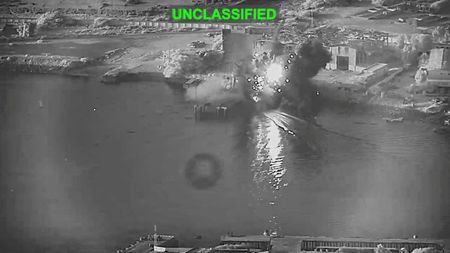
The U.S. Has threatened to reopen the Strait of Hormuz by force if diplomatic efforts continue to falter, signaling a readiness to use military action to ensure freedom of navigation through the vital waterway. Earlier Tuesday, in a move that preceded the full re-imposition of the blockade, U.S. Central Command announced it struck several areas within Iran, demonstrating the growing military engagement in the region. Following these developments, Iranian state media reported explosions Tuesday night in the southwestern city of Ahvaz and the southern port city of Bandar Abbas, indicating that the conflict was impacting Iranian territory directly. The U.S. Carried out another wave of strikes, striking dozens of targets over a seven-hour period, as it reimposed the blockade, further intensifying the military pressure on Iran. These strikes were part of a broader strategy to hold Iran accountable for its actions and to deter further aggression in the region.
Regional Fallout and Economic Impact
The escalating conflict has had immediate and tangible impacts across the region. Kuwait separately reported an Iranian attack on Tuesday, which wounded four members of its navy and set a building ablaze, noting the spread of hostilities beyond the immediate U.S.-Iran confrontation. Economically, the price for a barrel of Brent crude oil briefly rose to over $87 early Tuesday, reflecting the market's initial reaction to heightened fears of supply disruptions from the Middle East. However, the price subsequently dipped to $78 following U.S. President Donald Trump's announcement that he had changed course on the U.S. Approach to the Strait of Hormuz, suggesting a temporary calming of market anxieties as the specifics of the U.S. Strategy became clearer.
President Trump’s declaration of a renewed blockade on Iranian ports cited his belief that "nobody should be able to charge a fee for the strait," framing the U.S. Action as a defense of international maritime law and free passage. He issued a clear warning to Iran, stating, "You better make a deal, or you’re not going to have anything left," indicating a demand for concessions or a significant change in Iranian policy. The fluctuating oil prices reflect immediate market reactions to the escalating tensions and the U.S. Stance on maritime transit through the Strait of Hormuz, a critical choke point for global energy supplies. The blockade's re-imposition and the direct military actions in the region have introduced significant uncertainty into the global oil market, with analysts closely monitoring developments for their potential impact on energy prices and global trade. Further regional incidents, such as the attack reported by Kuwait, show the broader impact of the ongoing conflict beyond direct U.S.-Iran confrontations, affecting neighboring countries and their military personnel.
Diplomatic and Military Statements
The United States reimposed its blockade on Iranian ports, asserting the measure was a direct response to Iran’s attacks on ships attempting to transit the Strait of Hormuz. This justification positions the U.S. Actions as defensive and aimed at ensuring safe passage through the vital waterway. Alongside the renewed blockade, the U.S. Military conducted another series of strikes, targeting dozens of locations over a seven-hour period, marking a significant escalation in the ongoing conflict in the region. These strikes were described as a strong response to Iranian aggression and a demonstration of U.S. Resolve.
Early Wednesday morning, missile alert warnings were issued in both Bahrain and Kuwait, indicating heightened regional tensions following the U.S. Military operations and the potential for retaliatory actions. These alerts show the widespread sense of insecurity and the readiness of regional nations to respond to perceived threats. In parallel, Iran claimed responsibility for attacks on Bahrain, Kuwait, and Jordan, further showing the widespread nature of the conflict and Iran's willingness to engage militarily with multiple regional actors. This claim by Iran directly contradicts earlier reports or implies a broader scope of Iranian military activity. Hours after the United States announced the conclusion of its strikes, the Iranian city of Bushehr, located on the Persian Gulf, experienced hits in at least four distinct locations, suggesting further military engagements or retaliatory actions that extended beyond the initial U.S. Operational window. The precise nature and origin of these hits in Bushehr remain subjects of intense scrutiny and add another layer of complexity to the rapidly evolving situation. The series of events, from the re-imposition of the blockade to the exchange of missile attacks and military strikes, paints a picture of a region on the brink, with both sides demonstrating a readiness to use force in defense of their interests.