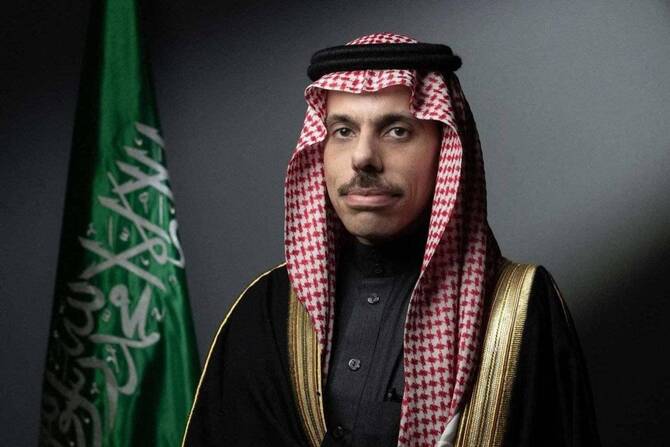
Saudi Arabia’s Minister of Foreign Affairs Prince Faisal bin Farhan held calls with his counterparts from Gulf Cooperation Council member states and Jordan, addressing pressing regional security concerns. During these key discussions, Prince Faisal bin Farhan, alongside the foreign ministers of Qatar, Bahrain, Oman, and Jordan, unequivocally condemned Iran’s aggression toward countries in the region. Their unified stance showed a shared apprehension among these nations regarding the destabilizing impact of such actions. The ministers collectively opposed any actions that could threaten their sovereignty or compromise the security and stability of the broader Middle East, emphasizing the need for adherence to international law and principles of good neighborliness. This diplomatic push notes a concerted effort to de-escalate tensions and protect the interests of states in the Gulf and beyond.
Regional Threats Detailed
The condemnation from these ministers comes amidst a backdrop of escalating regional threats. According to various reports, several nations, including Qatar, Bahrain, Oman, Jordan, Kuwait, and the UAE, have all been targeted by Iranian missiles and drones. These incidents show the tangible nature of the threats perceived by the Gulf states and Jordan. Geographically, Saudi Arabia, Qatar, Bahrain, Oman, Kuwait, and the UAE are separated from Iran by the strategic waters of the Persian Gulf and lie in close proximity to the Strait of Hormuz, a critical maritime chokepoint for global oil shipments. Jordan stands as the exception among these nations in terms of its immediate geographical separation from Iran by the Gulf. The Strait of Hormuz has experienced frequent blockages since the start of the Iran war in February, adding significantly to regional instability and raising concerns about freedom of navigation and trade. This geographic proximity to Iran and critical maritime chokepoints shows the profound concerns expressed by regional ministers regarding Iranian aggression and its potential impact on security and stability, impacting not just their immediate borders but also global commerce and energy supplies.
Broader Geopolitical Context
The complex security landscape in the Middle East has been further complicated by recent international developments. The conflict between Tehran and the United States resumed last week, introducing another layer of geopolitical tension to an already volatile region. This development adds another dimension to the regional tensions already intensified by Iranian aggression, requiring careful diplomatic navigation. Simultaneously, the Russian military campaign against Kyiv in eastern Europe entered its fifth year, with diplomatic efforts to resolve the conflict currently at a deadlock. The prolonged conflict in eastern Europe continues to have ripple effects globally, impacting international relations and geopolitical calculations far beyond its immediate theater. These broader international developments coincide with the heightened concerns expressed by Middle Eastern ministers regarding regional stability and security, illustrating the interconnectedness of global affairs.
Diplomatic Engagements
Beyond the immediate Middle East, Saudi Arabia's Prince Faisal bin Farhan engaged in significant diplomatic discussions regarding security concerns that extend to the global stage. The Saudi Minister of Foreign Affairs spoke with Ukrainian President Volodymyr Zelensky, focusing on the ongoing conflict in eastern Europe. This discussion occurred amid broader regional tensions concerning Iranian aggression and its potential impact on stability, demonstrating Saudi Arabia's expanding diplomatic role. The engagement notes Saudi Arabia's diplomatic reach and its involvement in addressing international conflicts, reflecting a proactive foreign policy. The conversation between Prince Faisal bin Farhan and President Zelensky shows the interconnectedness of global security challenges, even as Middle Eastern ministers prioritize addressing specific regional threats. This dialogue further illustrates the multi-faceted nature of current diplomatic efforts by key regional players to navigate a complex international environment. Such high-level engagements are key for fostering understanding and seeking resolutions to conflicts that have broad consequences for international peace and security.