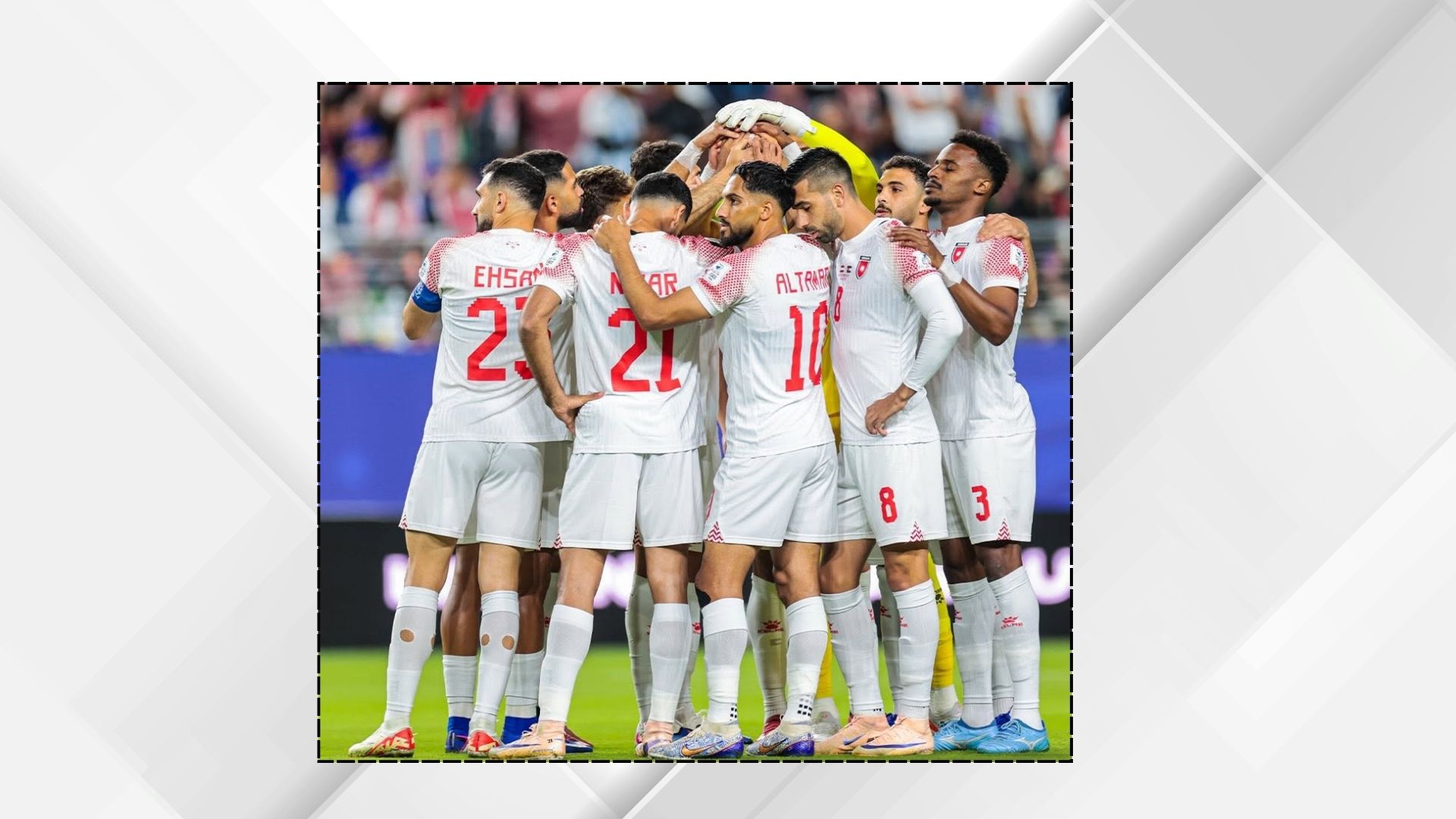
Jordan's national football team's participation in the World Cup finals offers a strategic economic opportunity for the country, according to Ehab Qadri, head of the Leather and Garment Industries Sector at Jordan Chamber of Industry (JCI). The team's presence on the global stage is seen as a chance to boost various economic sectors. Qadri stated that the World Cup qualification provides a unique platform for Jordan to enhance its international profile. This engagement is expected to generate interest and potential investment, aligning with broader national economic development goals. The JCI official emphasized the importance of capitalizing on this moment to showcase Jordan's capabilities beyond sports, fostering growth in areas such as tourism and trade. The national team's qualification for the World Cup finals marks a significant milestone, providing an unparalleled global spotlight on Jordan. This historic achievement is not merely a sporting triumph but a potent symbol that can be strategically leveraged for national economic benefit.
Garment Sector's Strategic Advantage
Jordan's leather and garment sector is among the industries "best positioned" to benefit from the national football team's World Cup qualification, according to Ehab Qadri, head of the Leather and Garment Industries Sector at Jordan Chamber of Industry (JCI). The Kingdom's leather and garment sector stands as one of its largest industrial and export sectors. This makes it particularly well-suited to capitalize on the increased visibility and demand generated by the team's global participation. The sector comprises more than 1,000 factories and industrial facilities across the country, indicating a strong and widespread industrial base capable of meeting heightened demand.
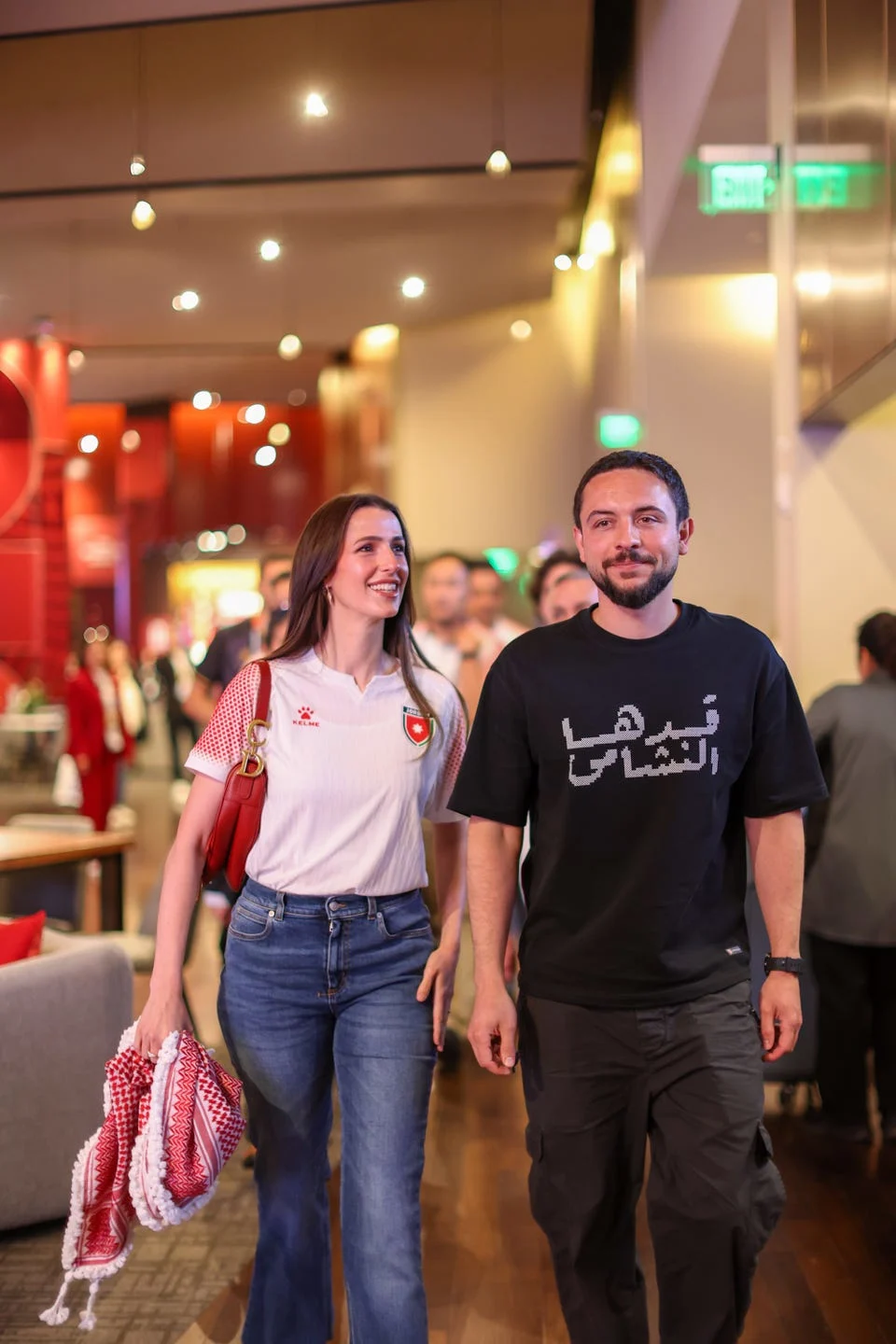
The sector provides employment for over 95,000 workers, noting its significant contribution to the national workforce and local livelihoods. Its exports have exceeded $2.5 billion, representing approximately 26% of total Jordanian industrial exports, showing its critical role in the nation's trade balance and economic output. The JCI anticipates a direct economic impact on promotional products associated with the national team. These products are expected to include headscarves, flags, scarves, hats, and various souvenirs, which will see a surge in demand as national pride and excitement build around the World Cup. This direct impact on promotional products is a tangible and immediate benefit for the sector.
Additionally, the sector will benefit from supplying items for events organized by companies, institutions, universities, schools, and clubs. These events are planned to celebrate the team's participation in the World Cup, further boosting demand within the garment industry. The widespread nature of these celebratory events, spanning various institutions and community groups, ensures a broad and sustained demand for related products. This provides a significant opportunity for local manufacturers to produce and supply a wide array of goods, ranging from branded apparel to decorative items, all contributing to the sector's growth.
Economic Multiplier Effect
Every dinar spent on purchasing local products contributes to retaining approximately 70 to 80 piasters within the Jordanian economy, according to Ehab Qadri, head of the Leather and Garment Industries Sector at Jordan Chamber of Industry (JCI). Qadri stated, "Every dinar spent on purchasing local products contributes to keeping approximately 70 to 80 piasters within the Jordanian economy through wages, employment, supply chains, logistics, printing, packaging, transportation, and marketing." This economic retention notes the multiplier effect of local consumption, ensuring that money circulates within the country, stimulating further economic activity. This internal circulation supports numerous ancillary industries and service providers, amplifying the initial economic impulse.
The true economic value of the national football team's achievement, as described by the JCI, extends beyond the immediate sales of products during the World Cup tournament. Instead, it lies in Jordan's capacity to convert national momentum into sustained economic demand. This strategic approach aims to build long-term benefits rather than focusing solely on short-term gains, fostering a more resilient and self-sufficient economy. This transformation of national pride into continuous economic activity is seen as the ultimate measure of success for this initiative.
This vision for economic development is projected to lead to several key outcomes. It includes the development of the Jordanian apparel and sportswear industry, enhancing its capabilities and competitive edge both domestically and internationally. It aims to enhance e-commerce capabilities, modernizing sales channels and expanding market reach for Jordanian products globally. Additionally, it aims to foster the creation of specialized Jordanian brands, allowing local businesses to establish unique identities and capture greater market share. Ultimately, these efforts are intended to boost the overall competitiveness of local products within the market, making them more attractive to consumers and investors alike.
Expert Commentary and Vision
The World Cup qualification presents an opportunity for Jordan to develop a sustainable and effective sports economy. This strategic approach aims to extend economic benefits beyond the immediate impact of the tournament, creating a lasting legacy. Such an opportunity should be leveraged to build a strong framework that supports continuous growth and innovation. This policy would support Jordanian industry, stimulating investment, and generating new job opportunities, in line with the objectives of the economic modernization vision. These outcomes align with the broader objectives outlined in the economic modernization vision for the country, which seeks to diversify the economy and enhance national productivity.
The focus is on creating a lasting economic framework that leverages national achievements to foster long-term growth and stability across various sectors. By strategically planning and investing in key areas, Jordan can ensure that the excitement and global attention generated by the World Cup translate into tangible, enduring economic advantages for its citizens and industries. This proactive approach will help solidify Jordan's position as a dynamic economic player on the regional and international stages, demonstrating how national success can be a powerful engine for sustainable development.