Mayor Imad al-Dulaimi of Rutba, Anbar province, announced that the second phase of the electricity interconnection project with Jordan is expected to become operational in three months. The first phase of the project began operating in the first quarter of 2024. Al-Dulaimi stated, "the second phase of the electricity interconnection project with Jordan is set to be operational in three months," adding that "the project’s capacity will be upgraded to 400 kilovolts upon completing the requirements of the second phase." He clarified that "This capacity represents a significant addition to the electricity system; however, it is insufficient to fully resolve the country’s electricity crisis." Al-Dulaimi emphasized that "Iraq still needs greater capacity to keep pace with urban expansion and the increasing demand for energy."
Project Details and Capacity
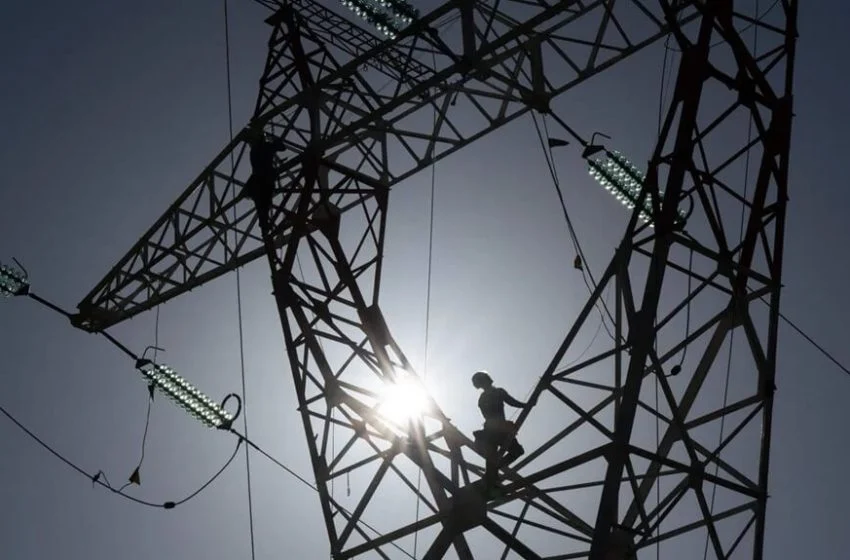
The electricity interconnection project between Jordan and Iraq will see its capacity upgraded to 400 kilovolts once the requirements for the second phase are completed. This enhancement aims to bolster Iraq's power supply. The upgrade is specifically designed to provide approximately 200 megawatts to the national grid in Iraq, a substantial addition to the country's existing infrastructure. However, Mayor Imad al-Dulaimi of Rutba, Anbar province, has indicated that this capacity will not be enough to entirely resolve Iraq's ongoing electricity crisis. Iraq's power infrastructure faces persistent challenges, and the increasing demand for energy, driven by urban expansion and population growth, continues to outpace current supply capabilities. The expanded capacity from the Jordanian link is anticipated to be a significant addition to the electricity system, yet officials acknowledge that further measures and additional generation capacity will be required to meet the country's overall energy needs. The project is a critical step in addressing some of these challenges, providing a more stable and increased power flow to the western regions of Iraq.
Context and Current Status
Jordan announced in mid-2025 that a project designed to increase power supplies to Iraq would be finalized in August, marking the completion of its second phase. This announcement showed the commitment of both nations to enhancing regional energy cooperation. The initial phase of this electricity interconnection project established a link between the Risha power plant in Jordan and the Rutba power station in Iraq. This connection operated at a voltage of 132 kilovolts, laying the groundwork for the subsequent expansion of capabilities. The successful implementation of the first phase demonstrated the technical feasibility and operational readiness for a larger-scale interconnection. The project is part of a broader strategy to diversify Iraq's energy sources and reduce its reliance on a single supplier, thereby enhancing energy security. The collaboration also aims to foster economic integration and stability in the region.
Future Needs and Limitations
The upgraded electricity interconnection project with Jordan is expected to provide approximately 200 megawatts to Iraq's national grid. Despite this addition, Mayor Imad al-Dulaimi of Rutba, Anbar province, emphasized the continuing need for more power. Al-Dulaimi stated, "Iraq still needs greater capacity to keep pace with urban expansion and the increasing demand for energy." This notes the persistent challenges Iraq faces in meeting its domestic electricity requirements, even with cross-border support. The country's infrastructure continues to be strained by growing demand, making the additional supply a partial solution rather than a complete remedy for the systemic power shortages. The 200 megawatts, while valuable, represent a fraction of the total power deficit, particularly during peak consumption periods. Addressing this larger deficit will require sustained investment in new power generation facilities, upgrades to the national transmission and distribution networks, and potentially further international collaborations. The project, therefore, serves as an important step, but not the ultimate solution, in Iraq's long-term energy strategy.