Jordan's pioneering initiative to restore vital rangelands surrounding its first botanical garden, an ambitious project established in the mid-2000s by Princess Basma bint Ali, has drew international acclaim, being officially designated a World Restoration Flagship by the United Nations. This prestigious recognition shows the significant achievements of the Community-Based Rangeland Rehabilitation initiative, which is centered on the 180-hectare Royal Botanic Garden. The primary goal of this initiative is not only to revitalize local ecosystems but also to meticulously document and apply the valuable lessons learned across the broader Middle East region. The profound impact of these dedicated efforts has been particularly beneficial for local communities, a development of immense importance in West Asia, which is recognized as one of the most water- and land-scarce regions globally. Princess Basma bint Ali, reflecting on the success and future prospects of the restored rangelands, articulated a powerful vision, stating that "there's abundance, there's resilience. And there's absolutely a lot of hope for the future." This sentiment encapsulates the transformative potential of the project, offering a blueprint for sustainable environmental management in challenging environments.
Garden's Genesis and Early Success
The Royal Botanic Garden, a substantial ecological preserve covering 180 hectares, was strategically established in Tal al-Rumman, a picturesque mountainous wooded area situated to the north of Amman, Jordan's capital. The genesis of this significant undertaking began in the mid-2000s when Princess Basma bint Ali embarked on the mission to create Jordan’s first botanical garden. From its very inception, the garden has been a focal point for intensive conservation efforts, which have subsequently yielded remarkable ecological improvements within its boundaries. A critical early intervention involved the cessation of grazing activities on the site. This measure was implemented in 2008 and continued for a period of three years, allowing the degraded land a key period of respite and recovery.
Following this initial intervention, the ecosystem responded positively and robustly. Biomass production, a key indicator of ecological health and productivity, increased by approximately 30 percent annually during each of the first three years after grazing was halted. This significant surge in biomass showed the land's capacity for regeneration when given the opportunity. The cessation of grazing activities proved to be a key decision, allowing the native flora to recover substantially and thrive. The positive effects extended to biodiversity: the number of wild native plant species documented within the garden's boundaries rebounded impressively, rising from 436 species recorded in 2006 to more than 600 species in subsequent years. This increase reflects a successful restoration of the natural botanical heritage of the region, demonstrating the effectiveness of the initial conservation strategies.
Community Partnership and Benefits
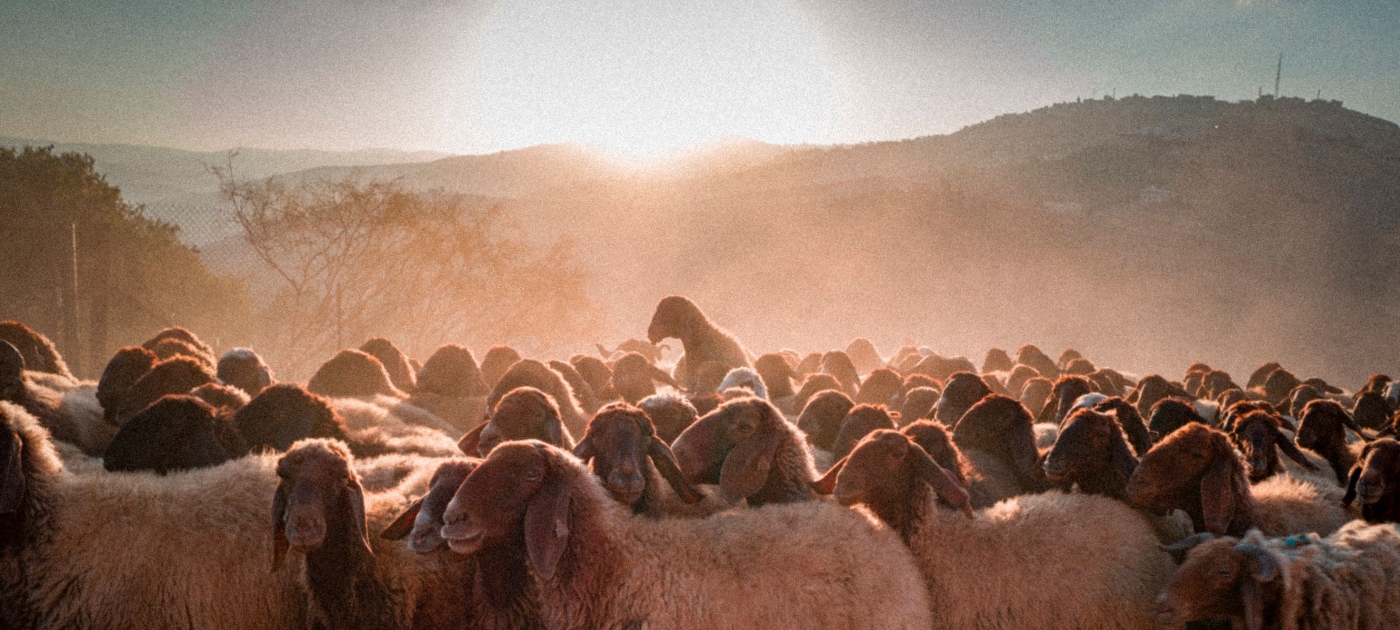
A cornerstone of the initiative's success is its innovative approach to community engagement, particularly with local herders. Rather than imposing outright bans, the program integrates traditional livelihoods with ecological sustainability. Local herders are permitted to bring their animals into the restored rangeland areas for a controlled period of up to 120 days during the summer and autumn months. This carefully managed grazing approach is a vital component of the initiative's strategy, designed to harmoniously integrate the economic needs of local communities with the imperative of ecological restoration. The direct involvement of the community has fostered a sense of ownership and shared responsibility for the restored lands.
The tangible benefits and the collaborative spirit have led to a significant expansion in community participation. The number of local families actively engaged with the restoration initiative has grown substantially, rocketing from just five families at its inception to more than 50 families today. This remarkable increase not only signifies enhanced community involvement but also notes the growing recognition among local populations of the enduring benefits derived from the program. These benefits include improved rangeland health, which in turn supports livestock and local economies, demonstrating a successful model where environmental recovery and human well-being are mutually reinforcing.
The Royal Botanic Garden has also proactively extended its expertise and successful model beyond Jordan's national borders, sharing its invaluable experience in community-based rangeland conservation with neighboring countries. The Garden has actively collaborated on significant projects in Egypt and Saudi Arabia, thereby demonstrating the broad regional applicability and transferability of its restoration model. This key knowledge transfer focuses on disseminating best practices in sustainable rangeland management and effective community engagement strategies, with the overarching aim of replicating the ecological and social successes observed in Jordan. The initiative's holistic approach consistently emphasizes the delicate and key balance between achieving strong environmental recovery and sustaining the livelihoods of local populations, particularly those communities whose existence and economic stability are deeply dependent on livestock farming and healthy rangelands.
Voices from the Ground and UN Recognition
The Royal Botanic Garden, which serves as the foundational core and driving force of the entire restoration effort, is strategically situated just outside Jordan’s capital, Amman. This proximity facilitates accessibility for researchers, educational programs, and public engagement, further supporting the initiative's broader goals of fostering environmental awareness and sustainable practices. Early conservation measures implemented at the site included a significant and decisive intervention in 2008 when all grazing activities were formally halted on the site for a critical three-year period. This temporary cessation was a foundational step, allowing the ecosystem to initiate its key recovery process, thereby forming the bedrock upon which subsequent restoration successes have been built.
The tangible impact of these sustained and dedicated efforts has become increasingly evident in recent data and ecological assessments. Biomass production across the restored rangelands reached an estimated 250 tonnes in 2024, a testament to the remarkable improvement in vegetation health and overall quantity within the ecosystem. This substantial increase in biomass vividly reflects the profound success of the initiative in revitalizing once-degraded land and enhancing its ecological productivity. A key indicator of biodiversity recovery is the number of endangered wild native plant species within the garden’s boundaries, which has encouragingly risen to 22. This upward trend signifies a positive trajectory in biodiversity recovery and shows the effectiveness of the conservation efforts aimed at protecting vulnerable flora. These compelling figures collectively highlight the concrete and measurable ecological benefits that have been achieved through the community-based rangeland rehabilitation program, solidifying its status as a leading example of successful restoration.