Jordan's economy expanded by 2.9% in the first quarter of 2026, surpassing forecasts and marking an increase from 2.7% growth recorded a year earlier. This strong performance demonstrates a significant upturn in economic activity within the Hashemite Kingdom. The Central Bank of Jordan (CBJ) reported that the country's foreign reserves are sufficient to cover approximately 9.5 months of imports, indicating a strong buffer against external shocks. This level of reserve coverage is a key indicator of financial stability and confidence. Remittances from Jordanians working abroad also saw a significant rise, increasing by 13.3% to $1.6 billion during the first four months of 2026. This inflow of foreign currency provides substantial support to the national economy and household incomes. Additionally, exports grew by 1.6% to reach around $3 billion in the first quarter, contributing to the overall positive economic performance and reflecting increased demand for Jordanian goods and services in international markets. The combination of these factors points to a period of sustained economic momentum for Jordan.
Key Sectors Fuel Expansion
Several key sectors contributed significantly to Jordan's economic growth in the first quarter of 2026, showcasing a diversified and resilient economic structure. Agriculture, a foundational sector for the country, expanded by a notable 6.8% during this period, demonstrating strong activity within the sector and ensuring food security. Manufacturing also saw substantial growth, recording an expansion of 5.3% in Q1 2026, driven by increased industrial output and investment. The mining and quarrying sector contributed to the overall positive performance, expanding by 4.7%, reflecting strong demand for Jordan's natural resources. The electricity sector also experienced a healthy increase, growing by 4.3% in the same quarter, which is key for supporting industrial and domestic consumption. Beyond these specific figures, wholesale and retail trade, transport and storage, and financial and insurance activities also recorded growth, according to economic reports, indicating broad-based positive developments across various segments of the economy. This full growth across multiple sectors shows the depth of Jordan's economic recovery and expansion efforts.
Economic Resilience and Stability
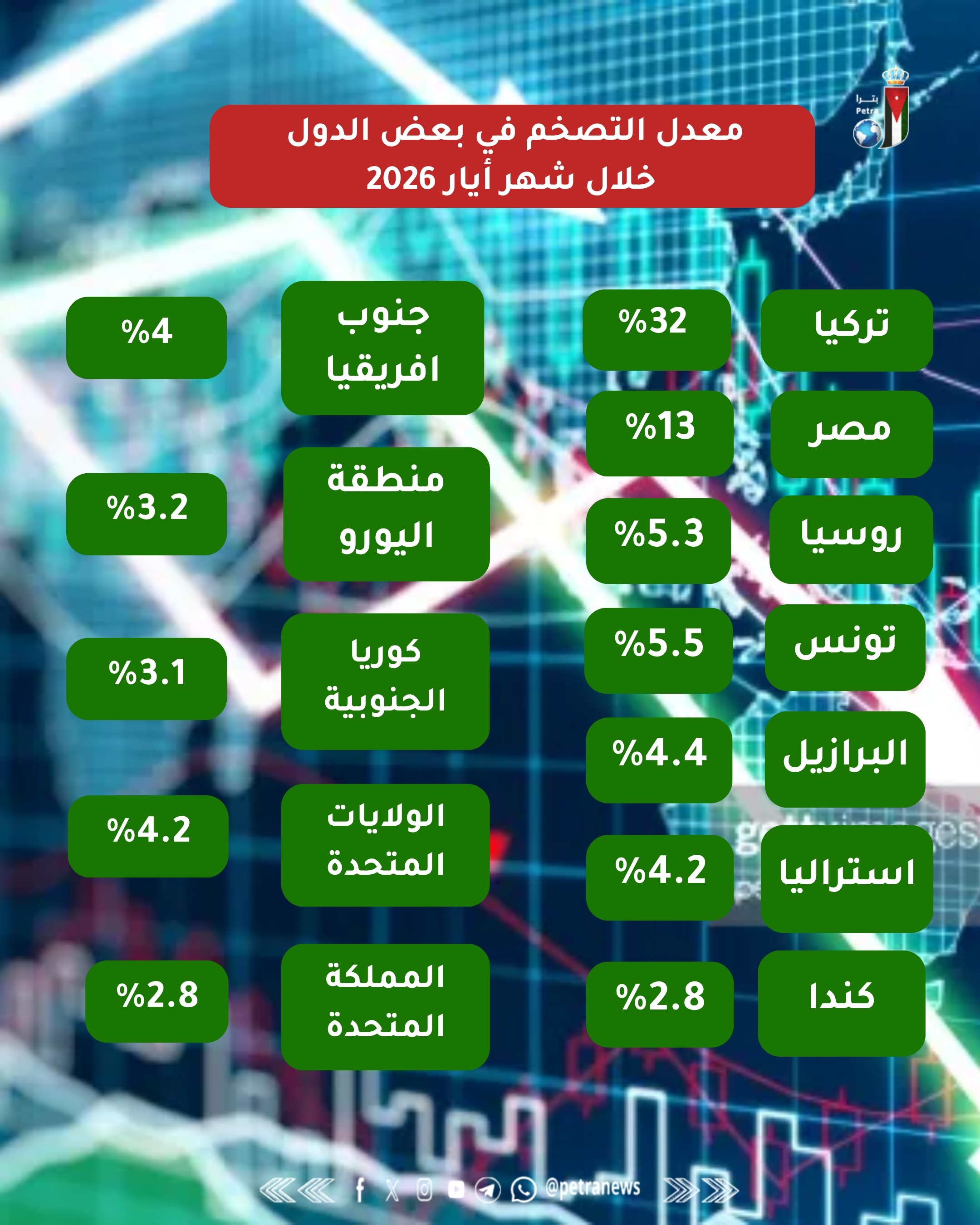
Jordan's foreign currency reserves reached $27.4 billion, reflecting a strong financial position for the kingdom and providing ample liquidity. This substantial reserve level enhances the country's ability to manage its balance of payments and maintain currency stability. Inflation averaged 1.88% during the first five months of 2026, indicating a commendable level of price stability that benefits consumers and businesses alike. The country's tourism sector demonstrated significant recovery, with revenue totaling approximately $2.8 billion throughout the first five months of the year, a key boost to foreign exchange earnings and employment. This rebound in tourism notes the appeal of Jordan as a destination and the effectiveness of efforts to attract visitors. Additionally, the government settled more than JD280 million in arrears owed to private-sector companies, addressing outstanding financial obligations and supporting the business environment by improving cash flow for local enterprises. These indicators collectively point to a stable economic foundation, underpinned by prudent fiscal management and a recovering private sector.
Official Confidence in Outlook
The first-quarter economic growth in Jordan, reaching 2.9%, surpassed projections, exceeding the World Bank's 2026 forecast of 2.6%. This outperformance provides a strong basis for optimism regarding the country's economic trajectory for the remainder of the year. Central Bank of Jordan (CBJ) Governor Adel Sharkas stated that the performance reflected "the effectiveness of economic policies and ongoing reforms," attributing the positive results to strategic government initiatives. Jordan's economy expanded by 2.9% in the first three months of 2026, building on a 2.7% growth from the previous year, demonstrating a consistent upward trend. This sustained growth momentum suggests that the implemented economic strategies are yielding tangible benefits. The positive economic indicators and the exceeding of international forecasts show official confidence in the country's economic trajectory and its ability to achieve further progress. The government and the Central Bank remain committed to fostering an environment conducive to continued growth and stability.