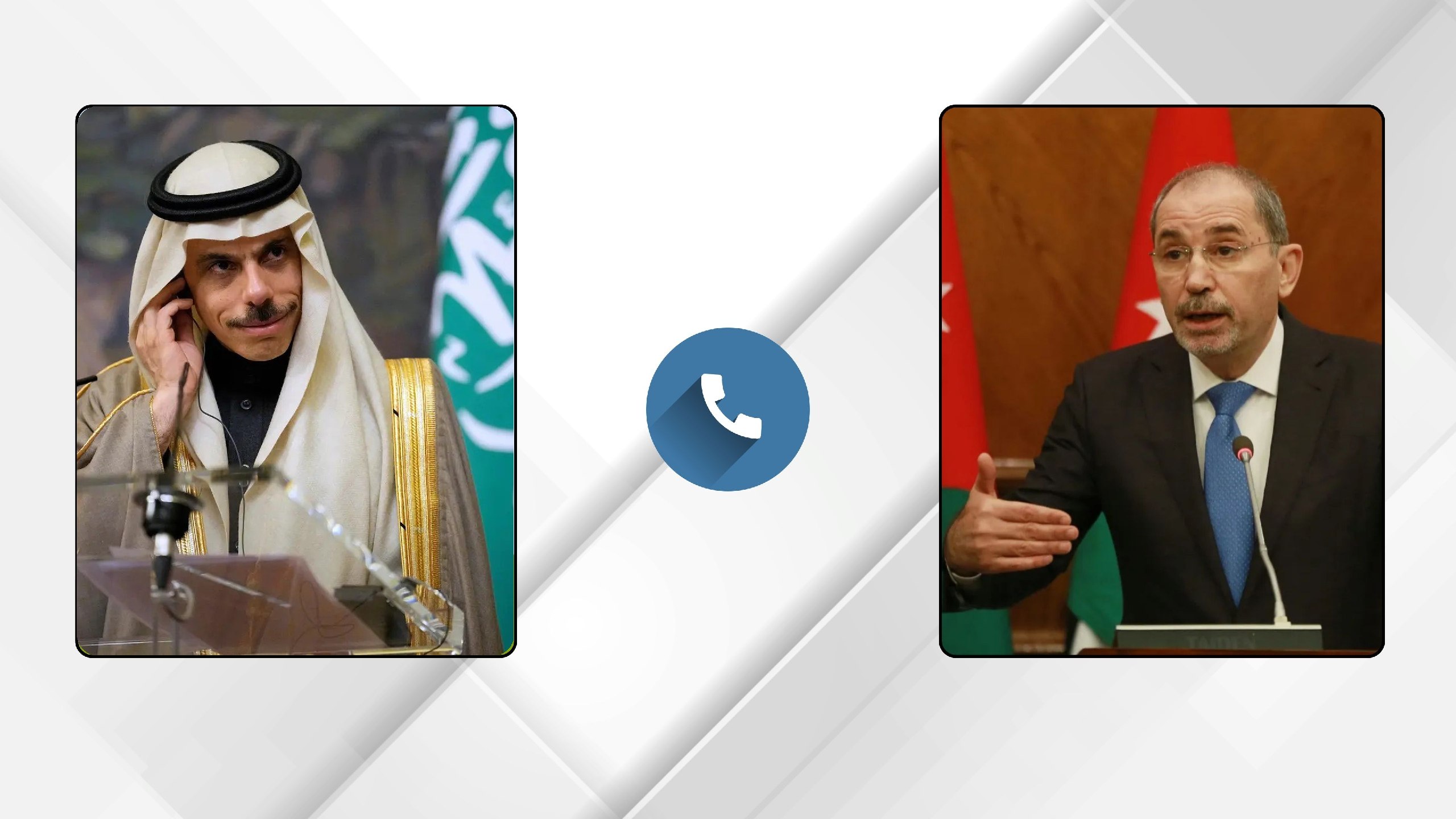
Deputy Prime Minister and Minister of Foreign and Expatriate Affairs Ayman Safadi received a phone call on Sunday from the Minister of Foreign Affairs of the Kingdom of Saudi Arabia, Prince Faisal bin Farhan. The two foreign ministers discussed recent regional developments during their conversation. Their discussions focused on various aspects of regional security, reflecting ongoing concerns among Arab nations regarding stability in the wider Middle East. This high-level diplomatic engagement showed the urgent need for coordinated action in the face of evolving geopolitical challenges. The call between the Jordanian and Saudi officials showed diplomatic efforts to coordinate responses and strategies amidst the evolving geopolitical landscape, emphasizing a united front on critical regional issues. Such bilateral discussions are integral to fostering stronger alliances and ensuring collective security in a volatile environment.
Joint Condemnation Issued
The Jordanian and Saudi Arabian foreign ministers strongly condemned the repeated Iranian attacks targeting Arab nations. This strong condemnation signals a unified stance against actions perceived as destabilizing to regional peace and security. A joint statement from the two ministers emphasized their "rejection of any actions that compromise regional security, sovereignty, stability, or the safety of their peoples." Their condemnation noted shared concerns regarding the impact of these attacks on the broader Middle East, indicating a collective resolve to address these threats. The ministers showed the importance of upholding international law and principles of good neighborliness to prevent further escalation, advocating for diplomatic solutions over conflict. They also discussed mechanisms for enhancing cooperation to safeguard the security interests of Arab states, exploring avenues for joint action and intelligence sharing. This collaborative approach aims to build resilience against external pressures and maintain regional equilibrium.
Regional Security Dialogue
The call between Jordan's Deputy Prime Minister and Minister of Foreign and Expatriate Affairs Ayman Safadi and Saudi Arabia's Minister of Foreign Affairs Prince Faisal bin Farhan occurred on Sunday, July 12. This timely discussion provided an opportunity for both nations to align their strategies on pressing security matters. Their discussions extended to ongoing efforts aimed at restoring regional security and de-escalating tensions, noting a proactive approach to conflict prevention. The foreign ministers also addressed guaranteeing the freedom of navigation in the Strait of Hormuz, a critical maritime passage, recognizing its vital importance for global trade and energy security. The engagement showed a shared commitment to fostering stability and addressing significant geopolitical challenges that impact the entire region. The conversation noted the importance of collaborative approaches to uphold international law and ensure unrestricted movement through vital waterways, reinforcing the principles of international maritime law. This dialogue forms part of broader regional consultations intended to reinforce collective security measures among Arab nations, creating a framework for sustained cooperation. Such high-level exchanges are key for coordinating policy and responses to emerging threats, ensuring that regional actors can effectively manage complex security landscapes.
Broader Regional Concerns
Jordanian and Saudi Arabian foreign ministers, Ayman Safadi and Prince Faisal bin Farhan, specifically addressed a range of broader regional concerns during their discussions. These concerns encompassed not only direct security threats but also the wider implications for regional stability and economic prosperity. They emphasized their rejection of any actions that compromise regional security, sovereignty, stability, or the safety of their peoples, reiterating a fundamental commitment to national and collective well-being. This collective stance noted a shared commitment to upholding international norms and safeguarding national interests amidst ongoing regional challenges, advocating for a rules-based order. The ministers’ dialogue showed the importance of collaborative efforts among Arab nations to maintain peace and prevent escalations that could destabilize the wider Middle East, championing diplomacy and cooperation. Their conversation aimed to reinforce a unified approach to complex geopolitical issues affecting the region, ensuring a cohesive and effective response to shared threats. This strategic alignment is vital for promoting long-term stability and prosperity across the Arab world.