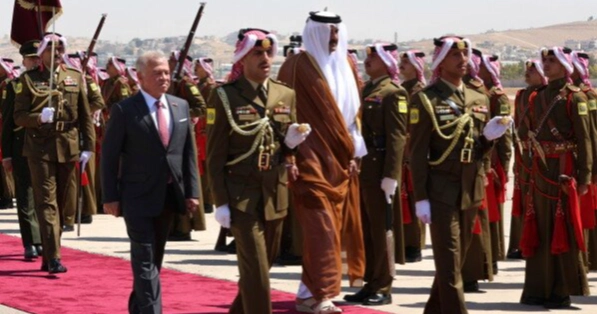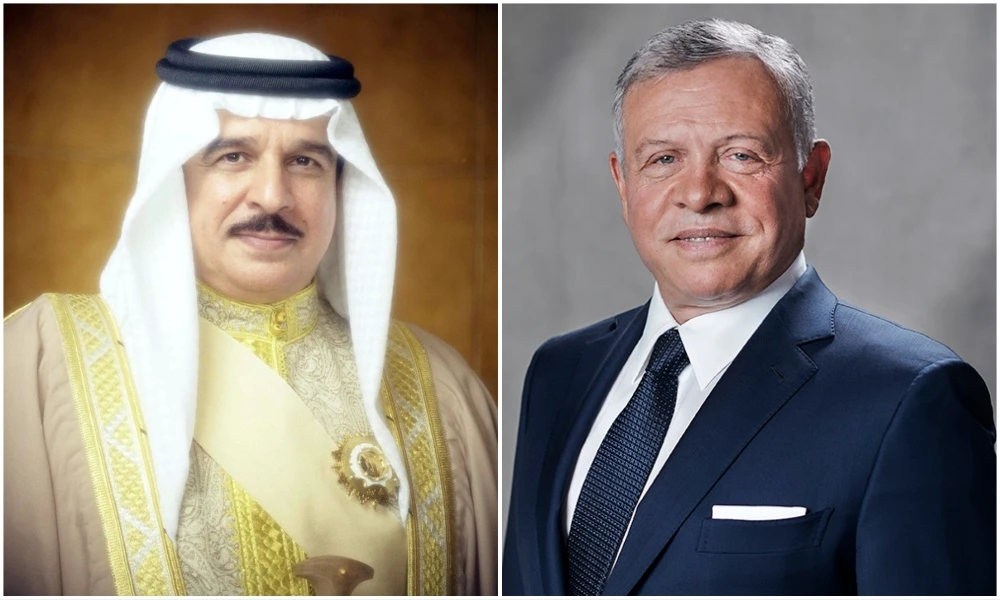
King Abdullah of Jordan and King Hamad of Bahrain held discussions on Thursday regarding the escalating regional situation. The two monarchs' conversation focused on recent developments in the Middle East, particularly amid heightened tensions between Iran and the United States. Their talks showed shared concerns about stability in the region, emphasizing the imperative of collective action to address the growing challenges. The discussions noted the urgent need for diplomatic solutions to prevent further destabilization across the broader Middle East.
Renewed Regional Conflict
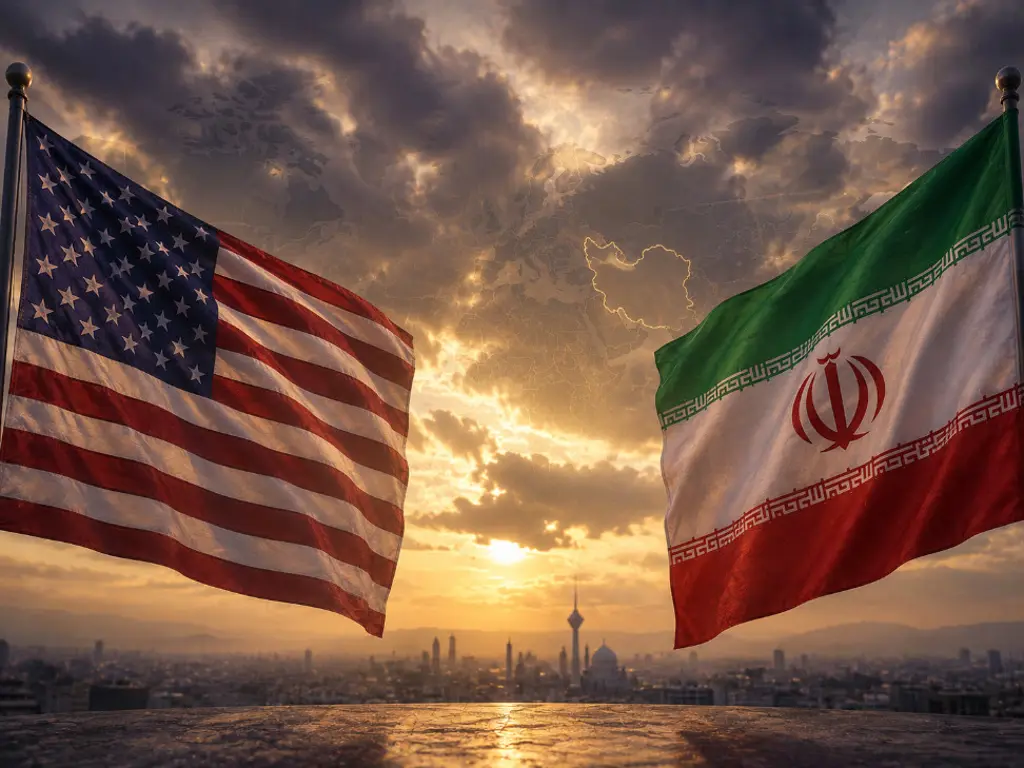
Both Jordan and Bahrain face renewed threats stemming from hostilities between Iran and the United States, which resumed this week. The US military resumed strikes against Iranian military targets this week, marking a renewed phase of the conflict. This resumption of direct engagement has significantly heightened the risk of wider regional conflagration. The war began on February 28, with both sides engaging in various actions that have intermittently flared across the region. Hostilities in the region have previously paused for short periods over the past six months, indicating an intermittent pattern of confrontation rather than a sustained cessation of conflict. The current escalation raises profound concerns for regional stability among neighboring states, as the ripple effects of these renewed hostilities continue to spread. The ongoing nature of the conflict, marked by these periodic resurgences, presents a complex security challenge for nations in the vicinity.
Diplomatic Efforts and Cooperation
King Abdullah of Jordan and King Hamad of Bahrain addressed the latest developments in the Middle East during their recent discussions. Their talks focused on the evolving regional landscape, which has seen heightened tensions between Iran and the United States, directly impacting the security calculus of their respective nations. The monarchs explored various avenues to bolster cooperation between their respective nations, aiming to collectively achieve greater stability in the region. This included discussions on enhanced intelligence sharing and coordinated diplomatic initiatives. Their dialogue showed a shared commitment to de-escalation and the pursuit of peaceful resolutions amidst ongoing challenges that threaten regional peace. Both leaders emphasized the importance of coordinated efforts to mitigate the impact of regional conflicts on their countries and the wider Middle East, recognizing that a unified approach is key for effective crisis management. They also discussed strategies to safeguard their national interests and promote security across the Gulf, including the protection of vital maritime routes and economic stability. The leaders affirmed their commitment to working together to navigate the complex geopolitical environment.
Broader Impact and Threats
Iran launched attacks against both Bahrain and Jordan this week, following the resumption of its conflict with the United States and Israel. These direct actions represent a significant escalation and show the immediate threats faced by regional states. These actions are part of a broader pattern of regional engagement by Iran, which has expanded its operational scope. Since the war began, Iran has also targeted Syria, Iraq, Qatar, Turkiye, Kuwait, Saudi Arabia, Oman, and the UAE, demonstrating a wide geographical reach of its military activities. The expansive nature of these attacks shows the widespread impact of the ongoing hostilities across the Middle East, creating an environment of heightened alert and uncertainty for numerous countries. The involvement of multiple actors and the broad geographical spread of these incidents contribute to a complex and volatile security situation.
Call for Stability
The rulers emphasized the imperative of preventing further escalation across the region, recognizing the potential for broader destabilization. King Abdullah of Jordan and King Hamad of Bahrain stressed the importance of de-escalation in their discussions, advocating for restraint from all parties involved. The monarchs also addressed ongoing efforts by the UN Security Council aimed at ensuring de-escalation, not only within the immediate region but also in broader international contexts, noting the global implications of regional instability. Their dialogue showed a shared commitment to mitigating tensions and fostering stability amid heightened regional hostilities, advocating for diplomatic channels to resolve disputes and reduce the risk of wider conflict. They reiterated their support for international efforts to promote lasting peace and security in the Middle East.