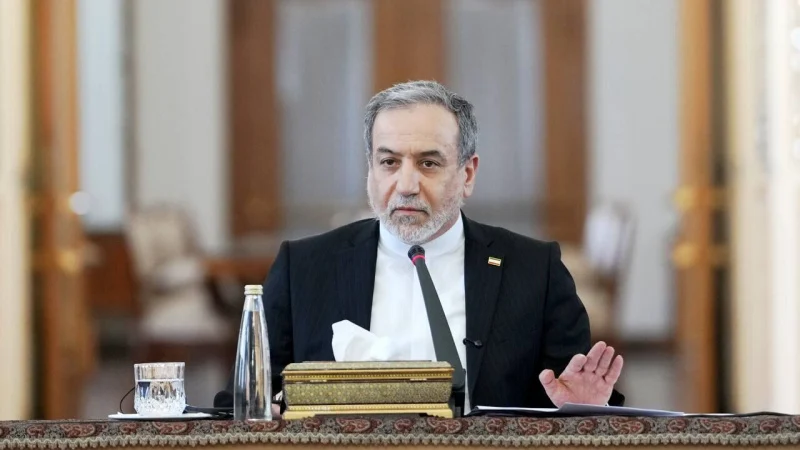
Iran's Foreign Minister Seyyed Abbas Araghchi responded to recent remarks made by his Jordanian counterpart, questioning the expected timeline for Iran's reaction to aggression. Araghchi stated, "How long does he think Iran should wait before responding to an aggressor who respects neither the sovereignty of Arab countries nor Iran’s sovereignty?" This direct challenge showed a perceived double standard in the assessment of Iran's defensive actions. He further inquired about the Jordanian official's awareness of past events, asking, "Is he really unaware that, during the initial US attacks, the airspace, territory, and waters of Arab countries were used—attacks that resulted in the deaths of innocent Iranians?" This question aimed to contextualize Iran's current stance within a broader historical narrative of regional conflicts and the involvement of Arab nations' infrastructure.
Jordanian Minister's Remarks
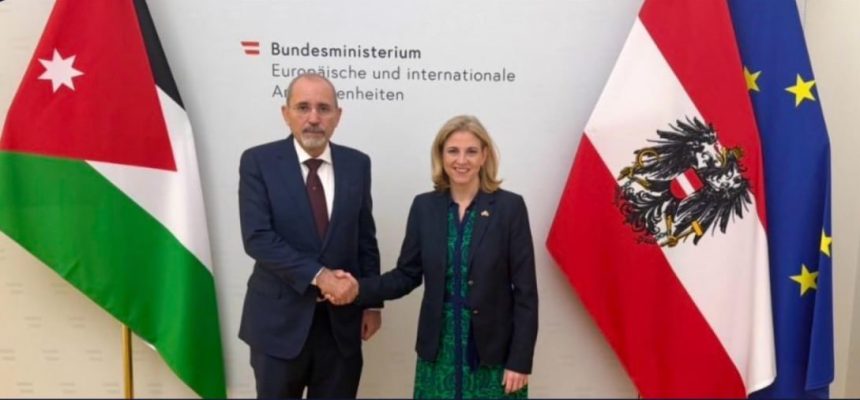
Jordanian Foreign Minister Ayman Safadi had previously claimed that Iran attacked Jordan and other regional countries two hours after a conflict began, suggesting the Iranian actions were not retaliatory. Safadi's assertion implied that these attacks were unprovoked and occurred very early in the timeline of hostilities, thereby framing Iran as the initial aggressor rather than a responder. The minister's remarks have drawn scrutiny, particularly after he had been "mocked over his claim that no US forces were present in Jordan." This prior incident, where Safadi's statements about foreign military presence in Jordan were widely questioned, adds a layer of skepticism to his current allegations regarding Iran's actions. His claims about the timing and nature of Iran's involvement have fueled a diplomatic exchange, intensifying the rhetoric surrounding regional security.
Iran's Counter-Argument
Seyyed Abbas Araghchi, Iran's Foreign Minister, posed a direct question regarding the appropriate response time to aggression, challenging the premise of Safadi's criticism. He inquired, "How long should Iran wait before responding to an aggressor?" Araghchi's statement noted a perceived lack of respect for both Arab and Iranian sovereignty by those he described as aggressors, suggesting that Iran's actions are a necessary defense against persistent threats. He further questioned the Jordanian Foreign Minister Ayman Safadi's awareness of historical events, specifically asking if Safadi was "unaware that, during the initial US attacks, the airspace, territory, and waters of Arab countries were used—attacks that resulted in the deaths of innocent Iranians." This line of questioning from Araghchi suggests a historical context for Iran's position on regional responses and the use of Arab nations' infrastructure in past military actions. His remarks directly challenged the premise that Iran's actions were unprovoked or occurred without significant prior instigation, implying a longer chain of events leading to the current tensions and emphasizing Iran's right to self-defense. Araghchi's counter-argument seeks to reframe the narrative, presenting Iran's actions as a legitimate response to ongoing provocations and historical grievances, rather than unprovoked aggression.
Platform and Context
Iranian Foreign Minister Seyyed Abbas Araghchi conveyed his response regarding the timeline for reacting to aggressors through a post on the social media platform X. His remarks directly addressed the assertions made by Jordanian Foreign Minister Ayman Safadi, challenging the premise of unprovoked Iranian actions. Araghchi’s use of X as a platform for his statement indicates a direct communication channel to publicly address and counter the claims from Jordan, ensuring a wide and immediate dissemination of Iran's perspective. The post showed Iran's perspective on the historical use of Arab countries' airspace, territory, and waters in past attacks, linking it to the current debate over response times. This public statement on X aims to provide context to Iran's position amid heightened regional tensions, offering a detailed rebuttal to the accusations leveled by the Jordanian foreign minister. The choice of a social media platform for such a significant diplomatic exchange notes the evolving nature of international communication in an era of rapid information flow.