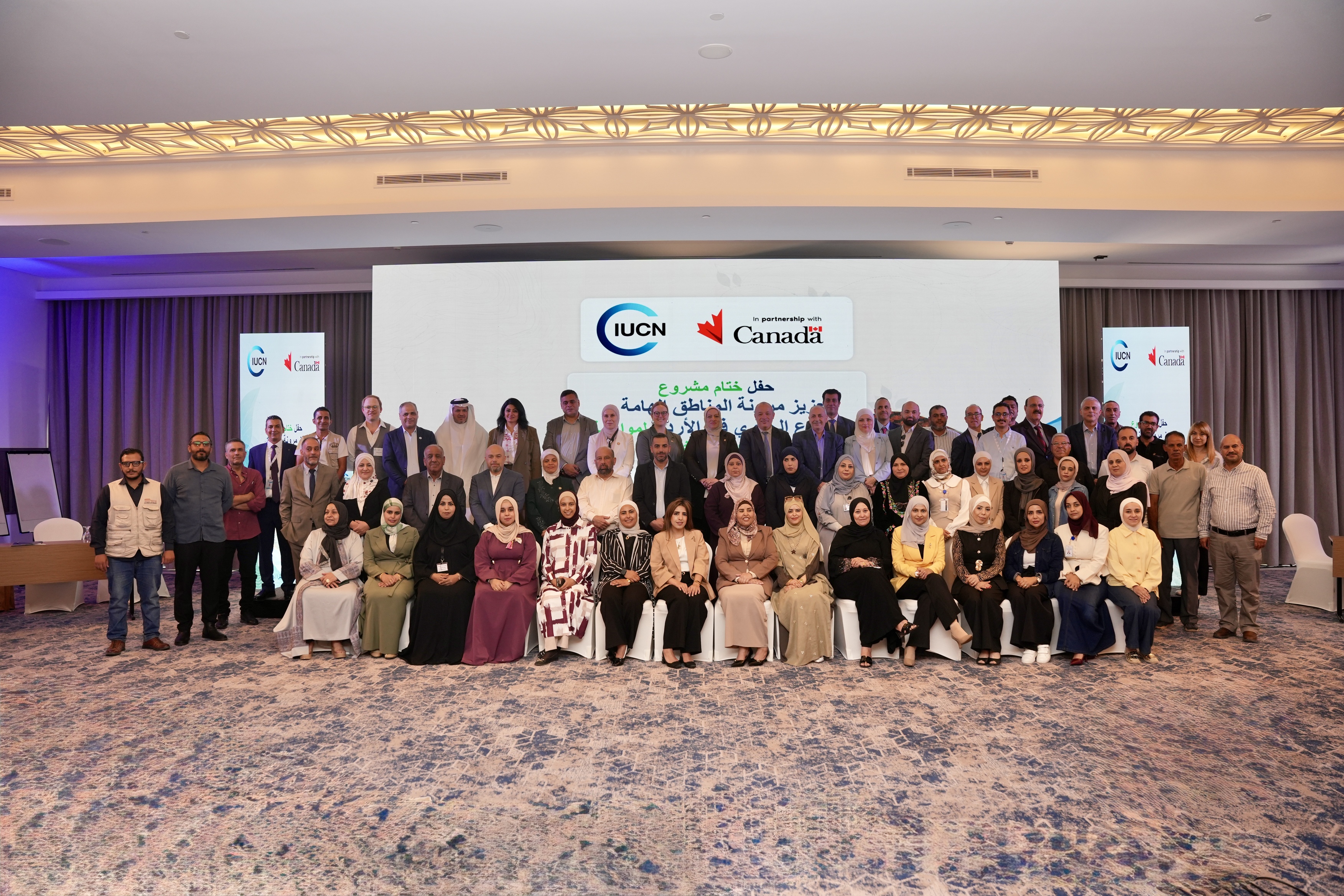
The International Union for Conservation of Nature (IUCN) recently concluded its three-year “Enhancing the Resilience of Important Biodiversity Areas in Jordan to Climate Change” (TA’ZIZ) project. This significant initiative, which spanned a period of three years, focused on bolstering climate resilience within Jordan's vital biodiversity regions. The project officially wrapped up with a closing event held in Petra, marking the completion of its implementation period. This ambitious project aimed to address the critical impacts of climate change on key ecological sites across the Hashemite Kingdom, specifically targeting the strengthening of ecosystem resilience, the restoration of important habitats, and the provision of support to local communities in the areas of Petra and Shoubak. The final gathering brought together a diverse group of stakeholders to review the project's achievements and discuss future conservation strategies for the region's invaluable natural heritage. Participants at the closing event engaged in full discussions, examining how managed protected areas and international conservation standards contribute effectively to climate resilience, and explored various approaches to restoring forests and woodlands within the region.
Project Achievements and Activities
The "Enhancing the Resilience of Important Biodiversity Areas in Jordan to Climate Change" (TA’ZIZ) project achieved several key milestones throughout its three-year duration. Its core focus was on strengthening ecosystem resilience, restoring significant habitats, and providing direct support to local communities in Petra and Shoubak. Project activities encompassed a wide range of interventions, including the rehabilitation of ecosystems and juniper restoration sites, which are key for maintaining ecological balance. The initiative provided vital assistance for native plant nurseries, fostering the growth and propagation of indigenous species. A cornerstone of the project was the successful application of Nature-based Solutions to address pressing environmental challenges, offering sustainable and effective remedies. Women and young people played a central and integral role in the project's community-based approach, actively participating in various initiatives and contributing significantly to their success. Their involvement showed the project's commitment to inclusive conservation efforts. The closing program for the project featured insightful site visits to several restoration areas and nurseries, allowing participants to observe the tangible results of the project's work. These included visits to vital juniper restoration areas, the Asilah nursery located in Al-Bayda, various restoration sites in Al-Hazim, and the Shoubak Forest Nursery, showcasing the breadth of the project's on-the-ground efforts.
Partnerships and Funding
The TA’ZIZ project received substantial financial support from Global Affairs Canada (GAC), channeled through the Embassy of Canada in Jordan. This key funding enabled the three-year initiative to effectively implement its extensive conservation and resilience-building activities across the targeted regions. The project adopted a highly collaborative approach, successfully bringing together a diverse group of stakeholders throughout its duration, which was a key factor in its success. National authorities, including relevant government bodies, worked in close cooperation alongside local communities who were directly impacted by the project's interventions, ensuring that solutions were tailored to local needs and contexts. Additionally, various conservation partners contributed their specialized expertise and valuable resources, fostering a broad alliance aimed at enhancing biodiversity resilience in Jordan. This multi-stakeholder model was central to the project's operational strategy and its effective engagement with the targeted regions, demonstrating the power of collective action in addressing environmental challenges. The collaborative framework ensured that the project benefited from a wide array of perspectives and resources, strengthening its impact and sustainability.
Voices from the Project
The conclusion of TA’ZIZ marks the completion of the project's implementation period, which spanned an impactful three years. During the closing event, participants engaged in profound discussions regarding the vital role of managed protected areas and the adherence to international conservation standards in contributing to climate resilience. These discussions also explored various innovative approaches to restoring forests and woodlands within the region, considering both ecological and community benefits. This full review aimed to consolidate lessons learned from the project's extensive activities and to chart future directions for conservation efforts in Jordan, ensuring continuity and further progress. The project's three-year duration allowed for sustained engagement with local communities, fostering long-term relationships and building local capacity for conservation. It also enabled a focused and dedicated effort on habitat restoration and the development of climate adaptation strategies, which are essential for the region's ecological future. These efforts were meticulously designed to enhance the long-term sustainability of biodiversity in key areas, providing lasting benefits. The emphasis on international standards and managed protected areas reflects a strategic alignment with global conservation best practices, positioning Jordan's conservation initiatives within a broader, globally recognized framework. The project's legacy is expected to inform and inspire future conservation endeavors across the Hashemite Kingdom.