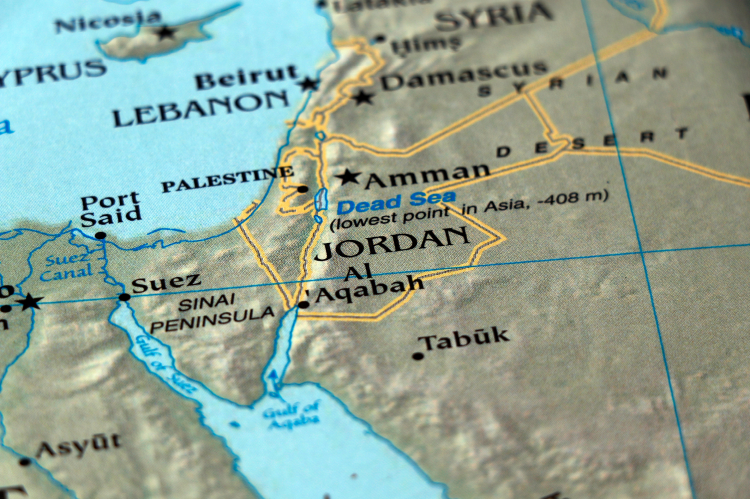
The Islamic Revolutionary Guard Corps (IRGC) announced on Saturday that it had conducted missile strikes targeting US facilities in Jordan. The IRGC stated these actions were taken in retaliation for what it described as Washington's attack on a wedding. The IRGC further claimed that the alleged US attack on the wedding resulted in the killing and wounding of several civilians. This declaration by the Iranian military organization marked a significant escalation in its rhetoric and actions concerning perceived US aggression in the region. The IRGC's official statement, released through its media channels, emphasized the group's commitment to responding forcefully to any actions it deems hostile or detrimental to civilian populations. The announcement on Saturday quickly drew international attention, noting the volatile security landscape in the Middle East.
Details of the Attack
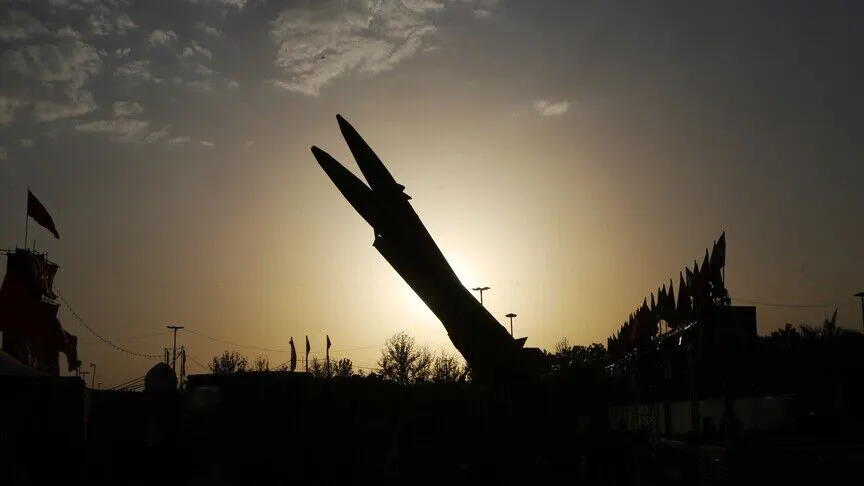
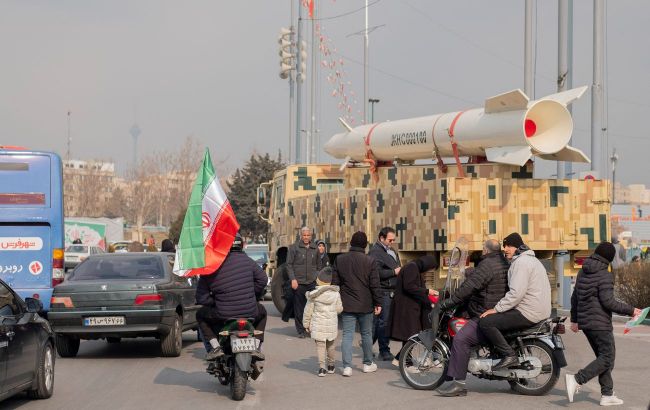
The Islamic Revolutionary Guard Corps (IRGC) stated it conducted a "heavy attack" using ballistic missiles against US facilities in Jordan. The IRGC specified that the targets were RQ-4 and MQ-9 drone hangars located at Prince Hassan airbase. This strike, according to the IRGC, was part of its retaliatory operations. The Iranian military organization further reported that the missile barrage also resulted in several technical infrastructures at the airbase being set on fire. The IRGC's statement detailed the use of ballistic missiles in the operation, emphasizing the scale of the assault on what it identified as US assets within Jordanian territory. The organization noted the precision and destructive power of the ballistic missiles employed, suggesting a deliberate and calculated response. The selection of Prince Hassan airbase and specifically the drone hangars indicated a focus on disabling US surveillance and combat capabilities in the region. The IRGC's communication aimed to project an image of strength and resolve, showing its capacity to strike at perceived adversaries.
Retaliation for Wedding Attack
The Islamic Revolutionary Guard Corps (IRGC) declared its missile strikes on US facilities in Jordan were a direct response to a previous incident it attributed to Washington. According to the IRGC, the retaliatory operation was prompted by an alleged American attack on a wedding. The Iranian military organization asserted that this purported US action resulted in the deaths and injuries of multiple civilians. The IRGC has consistently framed its recent military actions as defensive measures against perceived aggressions. The organization's statement emphasized the necessity of responding to such incidents to protect civilian lives. This narrative positions the IRGC's actions as a moral imperative, aimed at safeguarding innocent individuals caught in regional conflicts. The alleged attack on a wedding, as described by the IRGC, served as the primary justification for its missile strikes, fueling its claims of legitimate self-defense. The group reiterated its commitment to holding accountable those it deems responsible for civilian casualties, framing its military response as a direct consequence of such actions.
IRGC Claims of Success
The Islamic Revolutionary Guard Corps (IRGC) asserted its missile strikes on US facilities in Jordan were highly successful. The Iranian military organization claimed the operation resulted in the destruction of a number of drones. Additionally, the IRGC stated that the strikes led to the deaths of pilots and flight crew members stationed at the targeted facilities. The IRGC has consistently presented its actions as effective responses to perceived threats. The organization's claims of success included not only material damage but also personnel casualties, aiming to show the impact and effectiveness of its ballistic missile capabilities. These assertions, if verified, would represent a significant outcome for the IRGC's declared objectives. The IRGC's statements are often designed to boost morale among its supporters and send a clear message to its adversaries about its operational reach and determination. The emphasis on the destruction of specific assets like RQ-4 and MQ-9 drones, along with the reported casualties, served to reinforce the narrative of a decisive and impactful strike.