TAQA Arabia has officially entered the Jordanian market with the launch of a significant infrastructure project on September 1, 2026, at 10:51. This initiative marks a strategic expansion for the company and is poised to bring substantial benefits to the local industrial sector. The infrastructure project aims to supply local manufacturers with a more cost-effective and efficient fuel source, addressing a critical need for sustainable energy solutions in the region. TAQA Arabia CEO Pakinam Kafafi attended the project's launch, showing the company's commitment to its expansion into the country and noting the importance of this new venture. The ceremony signified a key moment for both TAQA Arabia and Jordan's industrial development.
Project Details and Financing
The project entails the construction of a 14-kilometer natural gas pipeline, a vital piece of infrastructure designed to enhance energy supply to key industrial zones. This extensive pipeline network represents a significant investment in Jordan's energy future. Financing for the initiative is provided through a Memorandum of Understanding established between the Abu Dhabi Fund for Development and the Jordanian government, showcasing a strong international partnership. This collaborative funding model ensures the project's strong financial backing and its alignment with national development goals. Prior to this launch, TAQA Arabia's Board of Directors authorized the establishment of a local branch in Jordan earlier this month, laying the groundwork for the company's long-term operational presence and investment in the country. This local presence will facilitate direct management and oversight of the pipeline and future energy projects.
Regional Presence and Strategy
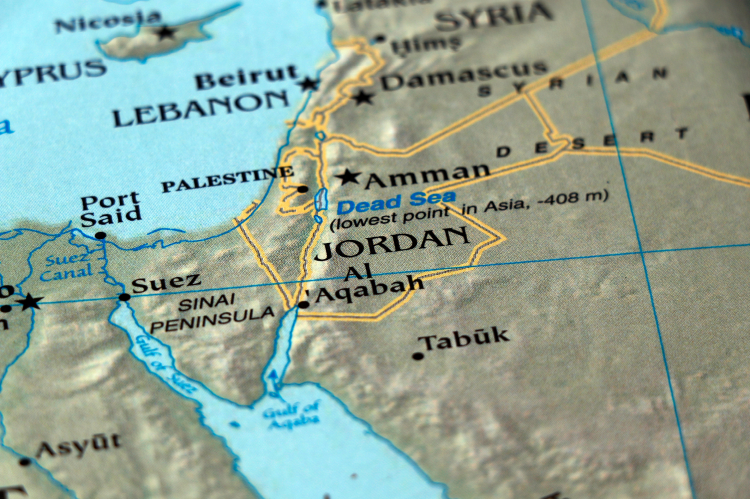
TAQA Arabia’s operations extend beyond Jordan, encompassing activities in Saudi Arabia, Qatar, Tanzania, Mozambique, and Pakistan. This broad geographical footprint demonstrates the company's extensive experience and expertise in energy infrastructure and distribution across diverse markets. The company's expansion into Jordan aligns with its broader strategy for regional presence, aiming to strengthen its position as a leading energy provider in the Middle East and Africa. Representatives from the Abu Dhabi Fund for Development attended the project's launch, showing the collaborative nature of the initiative and the strong ties between the entities involved. Their presence noted the financial partnership supporting the pipeline, which aims to enhance industrial energy infrastructure in Jordan by providing reliable and efficient energy. The fund's involvement signifies a commitment to regional development projects, fostering economic growth and stability through strategic investments in critical infrastructure. This expansion is a testament to TAQA Arabia's vision of becoming a key player in the global energy transition.
Official Launch and Future Impact
The new 14-kilometer natural gas pipeline is specifically designed to reinforce the energy infrastructure for Al-Rawdah Industrial City, aiming to enhance industrial operations within the area by providing a stable and continuous supply of natural gas. This strategic focus on industrial zones is expected to boost productivity and reduce operational costs for manufacturers. The project's launch was attended by Jordanian Minister of Energy and Mineral Resources Dr. Saleh Al-Kharabsheh, signifying the Jordanian government's strong support and recognition of the project's importance. His presence marked the official commencement of operations for the pipeline, which is expected to provide a more stable and efficient energy supply to local manufacturers, supporting their growth and competitiveness in the market. The infrastructure initiative reflects a strategic effort to support industrial development and improve the competitiveness of businesses operating in Al-Rawdah Industrial City, contributing to Jordan's economic prosperity and energy security. The long-term impact is anticipated to include job creation, increased foreign investment, and a more sustainable industrial sector.