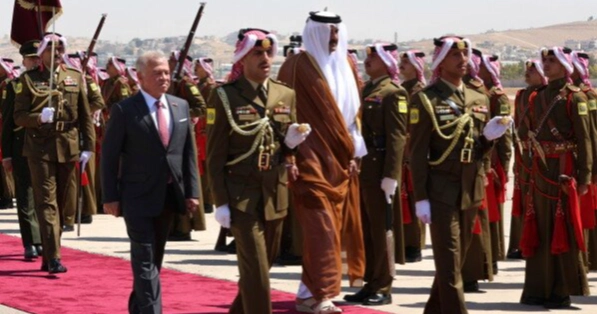
Jordan maintains its status as one of Washington’s closest allies in the Middle East, a relationship showed by its hosting of US military forces. This strategic partnership positions Jordan as a key player in regional security dynamics, playing a key role in maintaining stability within a complex geopolitical landscape. The presence of American troops within Jordanian borders reflects a long-standing collaboration on defense and intelligence matters, a testament to the enduring trust and shared strategic interests between the two nations. This alliance has been a cornerstone of stability in a volatile region, providing a strong framework for coordinated responses to various threats that emerge from ongoing conflicts and extremist activities. The continued military cooperation notes the depth of the bilateral relationship between the two nations, solidifying their commitment to regional security and counter-terrorism efforts.
Deepening Security Ties
Since becoming king in 1999, King Abdullah II has actively worked to strengthen ties between Amman and Washington, prioritizing a strong defense and security partnership. Under his leadership, Jordan has consistently demonstrated its commitment to regional stability and international security initiatives. Jordan has supported US-led operations in Iraq and participated in efforts against Islamic State militants in Syria and Iraq, showcasing its active role in combating extremist threats. This cooperation has been vital in degrading the capabilities of terrorist organizations and preventing their resurgence. A defense cooperation agreement, signed in 2021, further solidified these ties, granting US forces and contractors access to 12 military sites across Jordan. This agreement facilitates joint training exercises, intelligence sharing, and rapid deployment capabilities, enhancing the operational effectiveness of both militaries. Jordan's strategic location makes it an important base for US military operations in the region, according to reports, providing a critical logistical and operational hub. This ongoing collaboration notes the enduring security partnership between the two nations, providing a framework for regional stability and collective defense. The alliance has evolved over decades, reflecting shared security interests in a complex geopolitical landscape and adapting to new and emerging threats.
Economic Pressures Mount
Jordan is grappling with a weak economy, rising costs, and growing instability in the neighboring West Bank, creating significant internal challenges for the kingdom. The kingdom faces significant economic difficulties, partly due to hosting millions of refugees over an extended period, which has placed immense strain on its resources and infrastructure. High energy prices, persistent inflation, and a struggling tourism sector further contribute to Jordan's economic pressure, impacting the livelihoods of its citizens and limiting government spending on essential services. The global economic downturn and regional conflicts have exacerbated these issues, making recovery more arduous. Adding to these challenges, growing violence by Israeli settlers against Palestinians in the West Bank raises fears in Jordan of more Palestinians potentially seeking refuge within the kingdom's borders, which would further burden an already stretched economy. These factors collectively strain Jordan's financial resources and societal stability, requiring careful management and international support. The economic hardships are a critical concern for the government, as they can contribute to social unrest and complicate the kingdom's ability to navigate regional crises.
Sovereignty and Regional Stance
Jordanian Foreign Minister Ayman Safadi affirmed the kingdom's right to make its own sovereign decisions regarding its security and regional posture, emphasizing Jordan's independent foreign policy. Safadi stated, "Iran has been attacking us and many other countries in the region long before even this war started," noting a long-standing pattern of aggression. Hundreds of Iranian drone and missile attacks have targeted the kingdom, according to reports, necessitating strong air defense capabilities and vigilance. This context shows Jordan's independent approach to regional security challenges, as it seeks to protect its borders and interests from external threats. The minister's remarks highlight Amman's determination to protect its borders and interests amidst ongoing regional turmoil, asserting its right to self-defense and national security. This firm stance reflects Jordan's commitment to its territorial integrity and the safety of its population, even as regional tensions escalate.
Foreign Minister's Statement
In recent months, Jordan has experienced launches of Iranian missiles and drones toward its territory, with United States air defenses intercepting the majority of these projectiles, demonstrating the critical role of the bilateral security partnership. These interceptions have been key in preventing significant damage and casualties within Jordanian borders. Jordan stated it was not a party to the current war, according to official remarks, emphasizing its neutrality in the ongoing regional conflict. This position is vital for Jordan to maintain its diplomatic standing and avoid being drawn into broader hostilities. Foreign Minister Safadi reiterated that Jordan's actions are solely aimed at protecting its sovereignty and the safety of its citizens, rather than taking sides in external conflicts. The kingdom’s efforts are focused on de-escalation and ensuring its own security amidst the volatile regional environment.