Jordanian Deputy Prime Minister and Minister of Foreign and Expatriates Affairs Ayman Safadi received a phone call on Monday from German Foreign Minister Dr. Johann David Wadephul. The two top diplomats discussed recent regional developments, focusing on efforts to de-escalate tensions and restore calm across the area. Their conversation aimed to coordinate international responses to ongoing challenges in the region, reflecting a shared commitment to fostering stability in the volatile Middle East. This high-level diplomatic exchange showed the critical need for concerted international action to address the complex security landscape.
Regional Security Dialogue
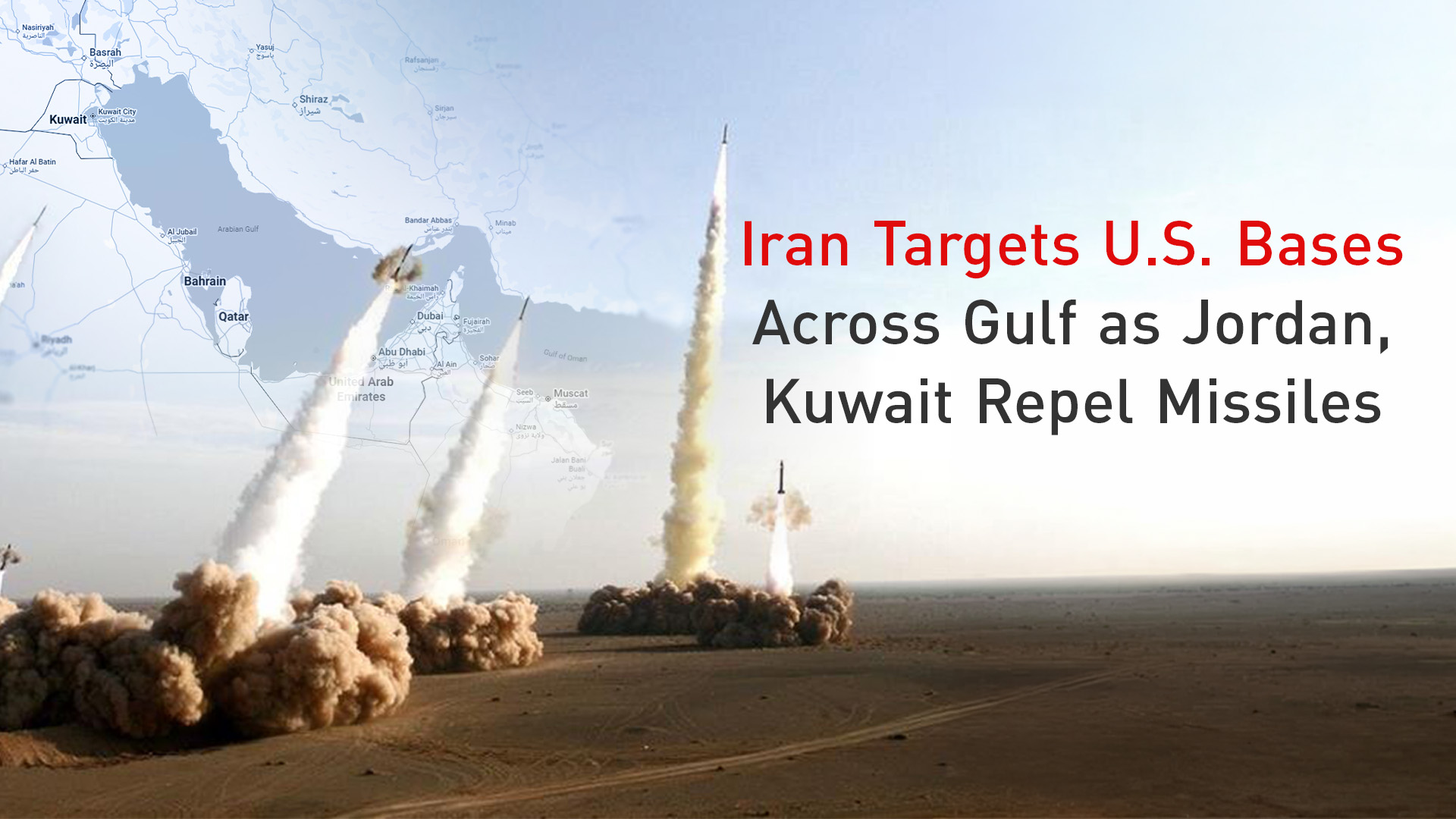
During their in-depth discussion, the Jordanian and German foreign ministers showed the importance of adhering to the ceasefire agreement between the United States and Iran. This adherence was noted as a key step towards preventing further escalation and promoting a more stable regional environment. Both ministers noted the necessity of dialogue to achieve a full solution that addresses the root causes of tension and promotes regional security and stability. They emphasized that sustained diplomatic engagement is critical for resolving disputes and building lasting peace.
They further emphasized the critical importance of ensuring freedom of navigation in the Strait of Hormuz, a key international waterway vital for global trade and energy supply. The ministers stressed that unimpeded passage through this strategic chokepoint is essential for economic stability worldwide. The discussions between Ayman Safadi and Dr. Johann David Wadephul reflected a shared concern for regional stability and a commitment to diplomatic solutions. Their exchange aimed to enhance coordination on strategies to mitigate ongoing challenges, including the imperative of de-escalating current conflicts and preventing new ones from emerging. The dialogue served as a platform to align their countries' positions on key regional security matters, reinforcing the principle that international cooperation is key to overcoming shared challenges.
German Solidarity and Support
German Foreign Minister Dr. Johann David Wadephul conveyed Germany’s condemnation of the Iranian attacks against Jordan during his conversation with Jordanian Deputy Prime Minister and Minister of Foreign and Expatriates Affairs Ayman Safadi. Dr. Wadephul further reaffirmed Germany’s solidarity with the Kingdom of Jordan, according to statements from the officials. This expression of support showed the strong bilateral ties between the two nations and Germany's commitment to Jordan's security. Safadi, in turn, praised Germany’s consistent support for Jordan’s economic development efforts. He acknowledged the valuable contributions Germany has made to various sectors within Jordan. The discussion noted the ongoing diplomatic engagement between the two nations on matters of regional stability and bilateral cooperation, reinforcing the importance of mutual support in times of regional uncertainty. Germany's stance was presented as a clear message of partnership and reassurance to Jordan.
Bilateral Relations and Cooperation
Jordanian Deputy Prime Minister and Minister of Foreign and Expatriates Affairs Ayman Safadi and German Foreign Minister Dr. Johann David Wadephul showed the strong relations between their respective countries during their recent discussion. Both ministers affirmed their commitment to continuing the development of bilateral cooperation across various sectors. This commitment extends to fostering growth in areas that benefit both nations, such as trade, investment, and cultural exchange. Safadi praised the longstanding friendship between Jordan and Germany, emphasizing the historical depth of their partnership. He noted how this enduring bond has served as a foundation for their collaborative efforts. The diplomats noted the importance of strengthening these ties further, building on existing collaboration in areas such as economic development, regional stability, and humanitarian aid. Their exchange reaffirmed a mutual desire to enhance strategic cooperation and coordination on issues of shared interest, paving the way for future joint initiatives and a more strong partnership.