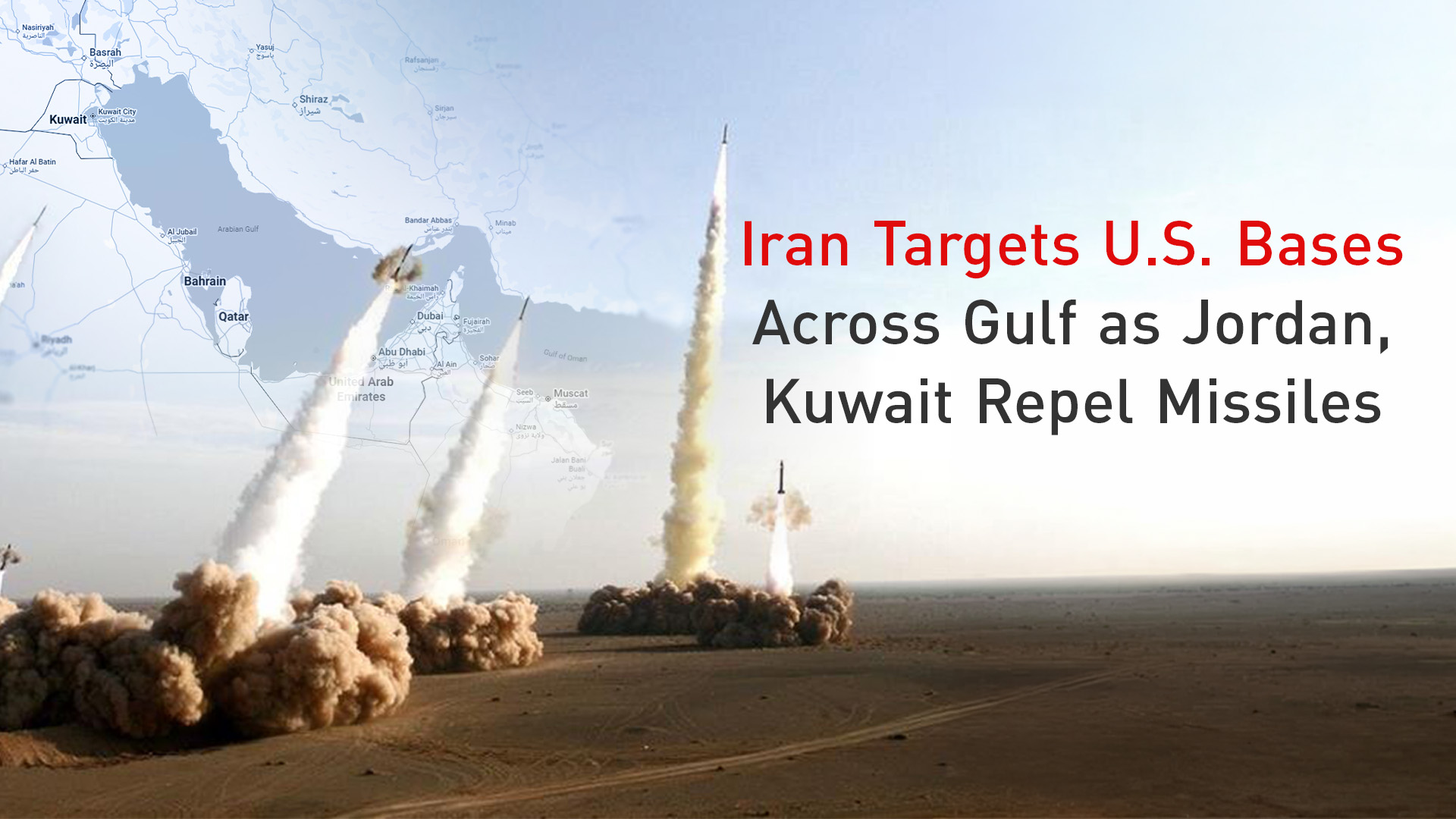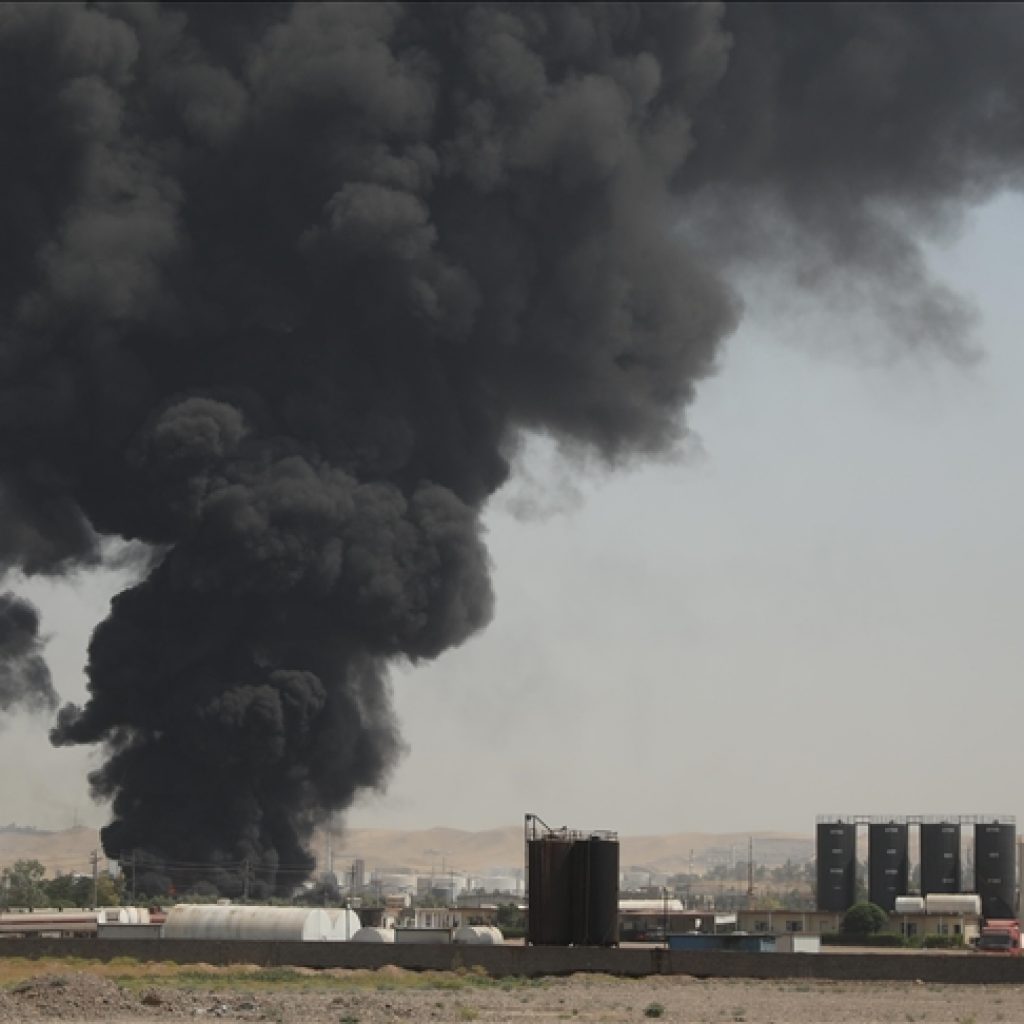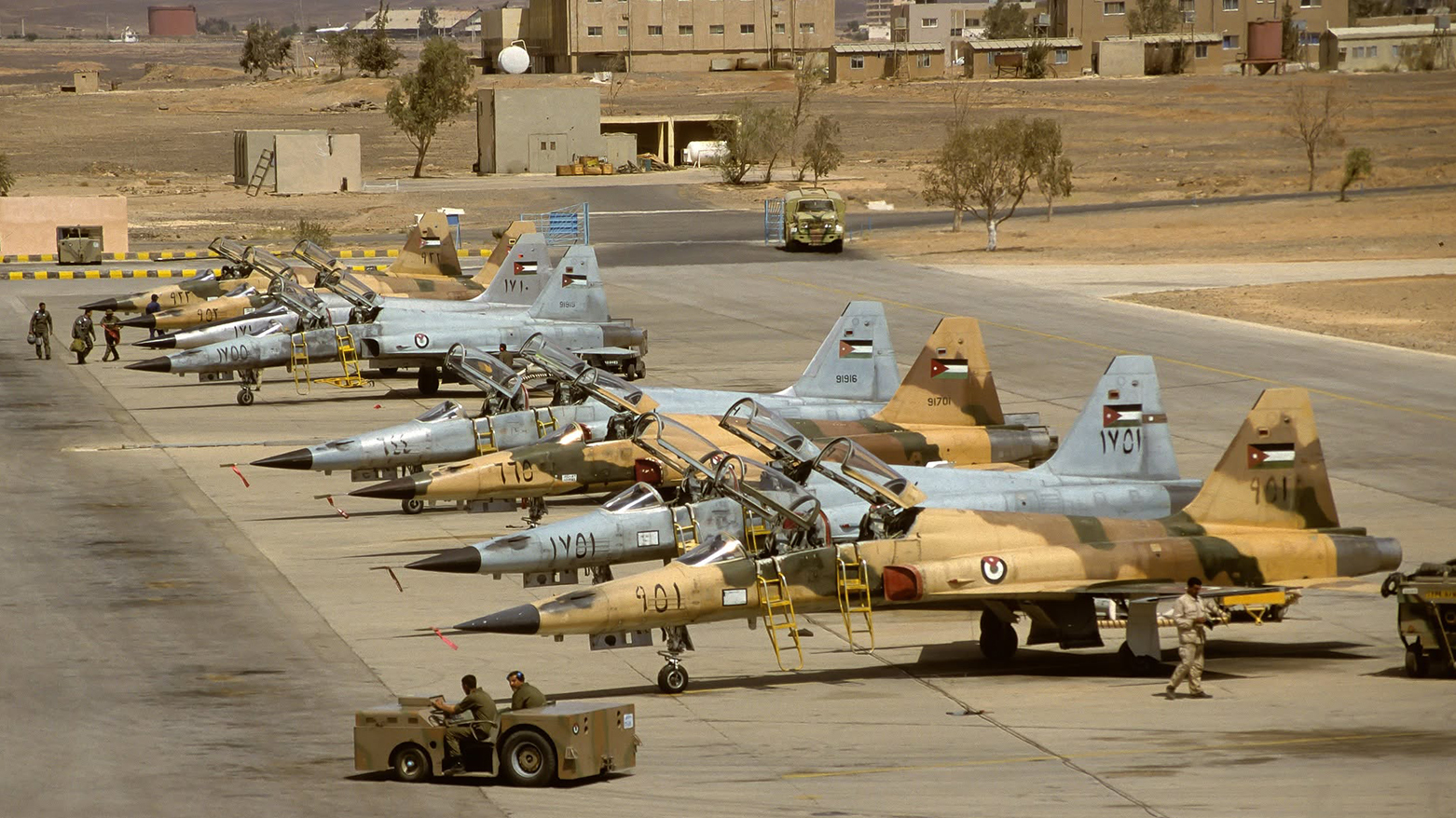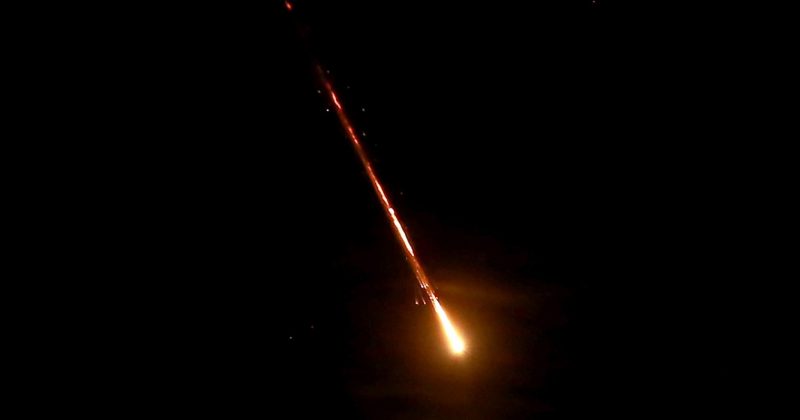
Jordan's military successfully intercepted and shot down four missiles on Saturday, according to local reports. The aerial defense operations occurred as the missiles were reportedly targeting Jordanian military assets. These assets were identified as hosting U.S. Forces, indicating a specific threat profile during the incident. The precise trajectory and origin of these missiles were quickly assessed, leading to the rapid response from Jordanian air defense units. This successful interception shows the readiness and effectiveness of Jordan's military capabilities in safeguarding its sovereign airspace and critical infrastructure. The incident has drawn immediate attention from international observers, noting the volatile security landscape in the region.
Escalation in the Iran War
The missiles entered Jordan's airspace from Iran on Monday, according to local reports. This aerial incursion occurred despite a ceasefire agreement that had been in effect since June. The U.S. Administration has since effectively declared the ceasefire over following these recent developments, indicating a significant shift in regional engagements. The ceasefire, which had aimed to de-escalate tensions, now appears to have completely unraveled, paving the way for increased hostilities. This declaration by the U.S. Administration signals a critical turning point in the ongoing conflict, suggesting that previous diplomatic efforts have failed to secure a lasting peace. The situation marks an undeniable escalation in the ongoing tensions, particularly concerning Iranian activities in the Middle East and their broader implications for regional stability. The direct nature of this confrontation, involving missiles launched from Iran, represents a serious challenge to international security.
Global Air Defense Concerns
Western allies are preparing to convene in Paris to secure additional air-defense commitments for Ukraine. The meeting aims to address critical gaps in Ukraine's defensive capabilities amidst ongoing conflict. Efforts to bolster Kyiv's air defenses have intensified as the country faces persistent aerial threats from various sources. The urgency of this meeting is showed by the continuous need for strong protective measures against missile and drone attacks. Participating nations are expected to discuss concrete strategies for delivering more sophisticated air defense systems and ammunition to Ukraine, ensuring that its cities and critical infrastructure are better protected.
Ukraine faces significant air-defense shortages, a challenge that has prompted urgent calls for international assistance. The lack of sufficient protective systems leaves cities like Sloviansk vulnerable to attacks, exposing civilian populations to grave dangers. Securing new pledges from allies in Paris is seen as key for Ukraine to fortify its skies and protect its civilian population and infrastructure from further devastation. The outcome of the Paris meeting could significantly impact Ukraine's ability to withstand ongoing assaults and maintain its territorial integrity. The international community recognizes that strengthening Ukraine's air defense is critical for both humanitarian reasons and for preserving stability in Eastern Europe.
Broader Strategic Implications
The recent missile interceptions are part of the ongoing 2026 Iran war, indicating a widening scope of conflict in the Middle East. This broader strategic context shows the interconnectedness of regional security challenges, where incidents in one area can quickly reverberate across the entire geopolitical landscape. As global tensions persist, the allies' focus will likely be on acquiring more Patriot interceptor missiles, particularly given their proven effectiveness in air defense scenarios against complex threats. The demand for these advanced systems is expected to increase among nations seeking to bolster their defensive capabilities against a growing array of aerial threats, including ballistic and cruise missiles. The incidents in Jordan highlight the urgent need for strong, multi-layered air defense solutions across various operational theaters, demonstrating that advanced aerial threats are a present and evolving danger that requires continuous vigilance and technological superiority. The 2026 Iran war continues to reshape strategic alliances and defense priorities globally.