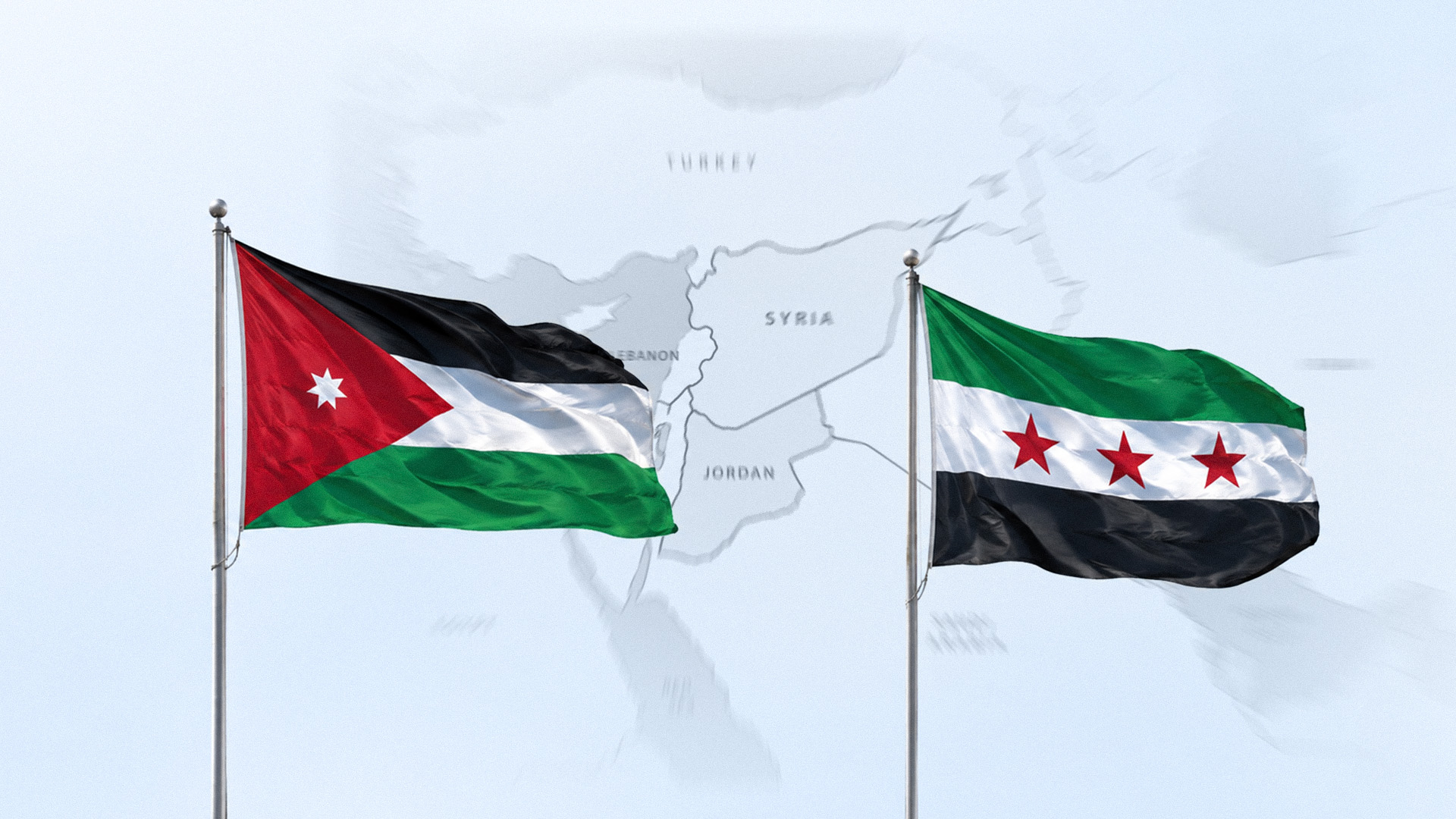
Syrian Foreign Minister Asaad al-Shaibani and Jordan agreed on 22 October to develop bilateral relations into a strategic partnership. This diplomatic agreement, reached in the days preceding the recent unrest, marked a formal commitment to deepen cooperation between the two nations. However, the diplomatic landscape shifted rapidly one day later, on 23 October, when three gunmen attacked the Church of Saint George in Hamoud, Jordan, killing nine people and wounding 25. The violence at the site prompted a swift security response from Jordanian authorities, who moved to secure the area and initiate a criminal investigation into the circumstances of the attack. Following the assault, the Jordanian military launched an air operation named 'Jordanian Deterrence' on 26 October against targets in southern Syria.
Church Attack Investigation Details
Jordanian authorities arrested three suspects on 26 October in connection with the attack on the Church of Saint George. Official reports identified all three detainees as Jordanian nationals from a single family. The detention of these three individuals marked a significant development for investigators, who have been working to determine the motives and background of the perpetrators involved in the incident at the church.
Interior Minister Mazen Al-Faraya addressed the investigation status on the same day during a public briefing. He clarified that the evidence collected by security agencies did not suggest the assailants acted on behalf of or in coordination with outside groups. Mazen Al-Faraya stated, "There is no indication of any external communications on their part or cooperation with external parties." The ministry continues to process forensic evidence gathered from the site in Hamoud to finalize the investigation. Officials are currently reviewing communication logs and physical evidence recovered from the suspects to ensure a full understanding of the event. The investigation remains a primary focus for the Jordanian government as it seeks to address the security concerns raised by the tragedy in Hamoud.
Military Escalation in Syria
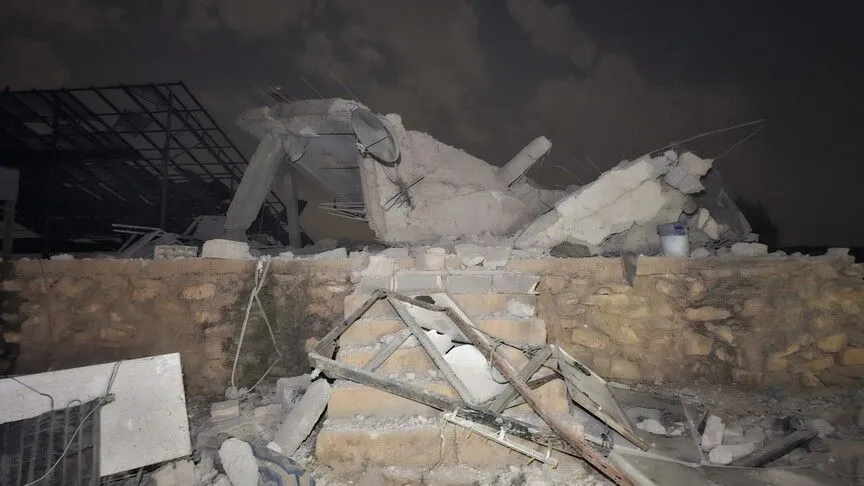
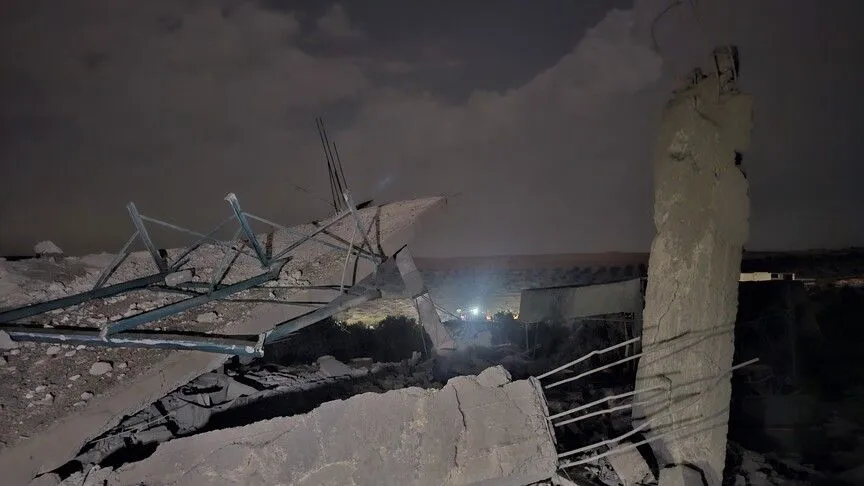
Syrian officials reported that Jordanian airstrikes on 26 October resulted in civilian casualties within Daraa. According to these reports, the strikes caused deaths among the local population, including children. Syrian authorities confirmed these casualties following the commencement of the Jordanian military operation. The reports from the Syrian government indicate that the strikes impacted residential areas, leading to the reported loss of life among non-combatants.
Damascus subsequently closed the Nassib border crossing as a result of the military activity. Syrian officials indicated that the closure took effect immediately after the Jordanian airstrikes targeted locations in southern Syria. Traffic between the two countries has ceased at this transit point while the situation remains ongoing. The Nassib border crossing, a vital artery for regional trade and movement, is now inactive, halting the flow of goods and individuals between the two borders. Syrian authorities have not provided a timeline for the potential reopening of the crossing, citing the ongoing nature of the military activity and the security situation in the border region. The Jordanian military has maintained its focus on the 'Jordanian Deterrence' operation, while Syrian officials continue to monitor the impact of the strikes on the ground in Daraa. The cessation of movement at the border crossing represents the latest consequence of the deteriorating security environment following the initial attack in Hamoud.