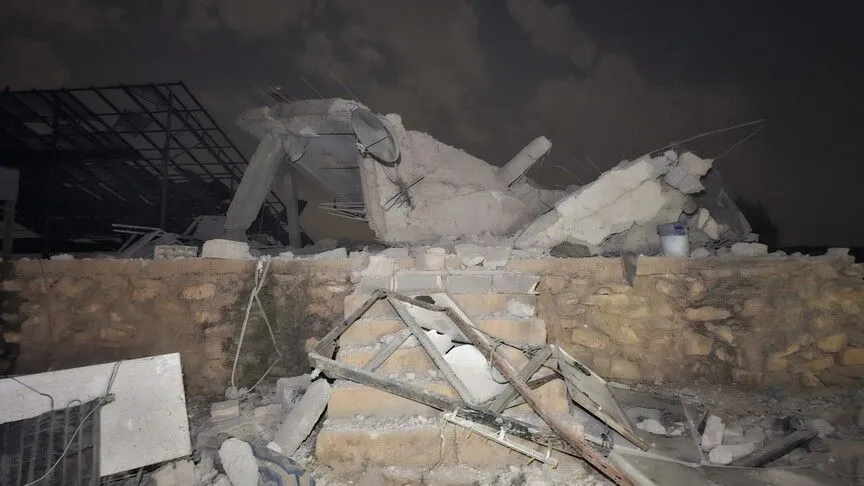
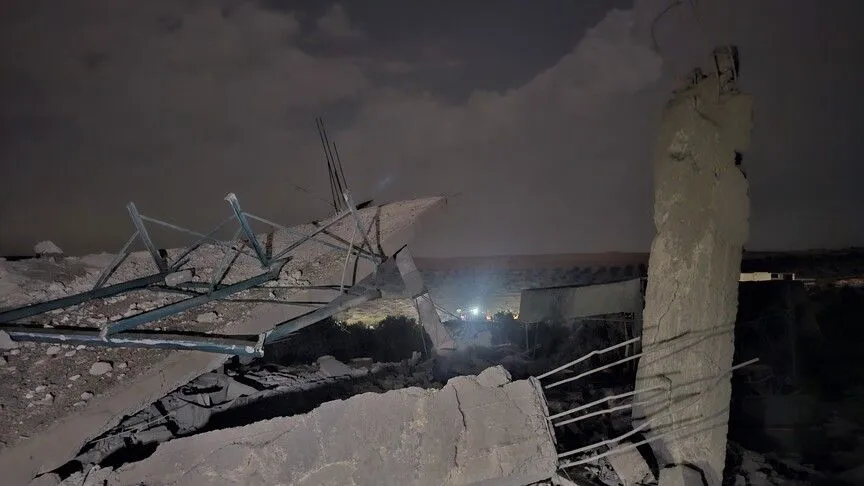
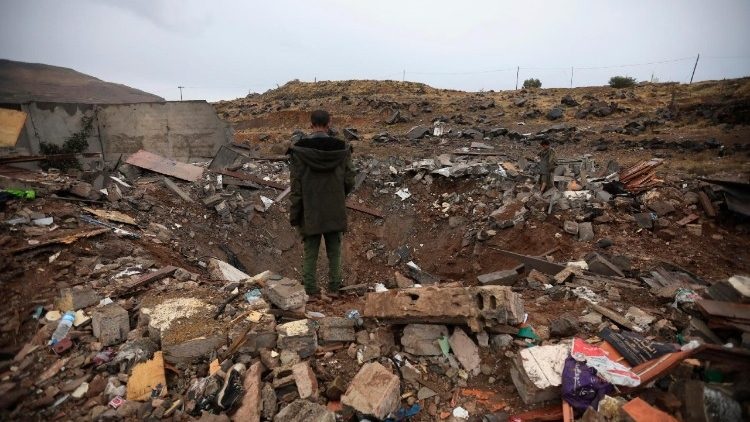
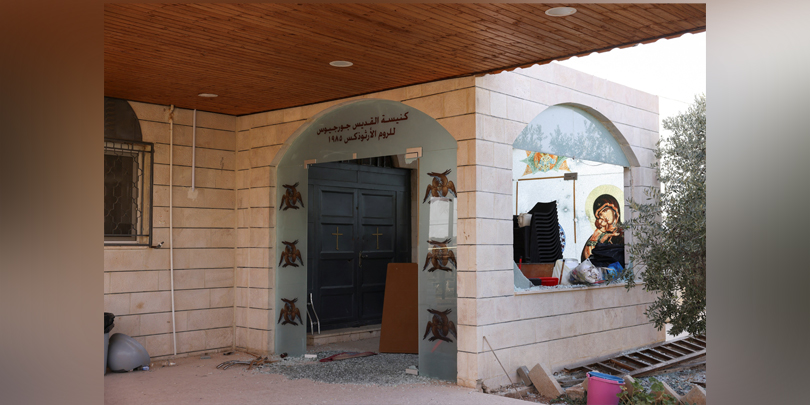
Jordanian warplanes carried out a series of airstrikes against Islamic State militants in southern Syria on the evening of 26 October 2026, killing more than 20 fighters. These strikes targeted positions within the Daraa Governorate and As-Suwayda Governorate. The military operation followed a lethal attack on a church in Jordan that resulted in the deaths of nine people. Authorities in Amman launched the retaliatory mission to target the militants responsible for the church assault. The airstrikes represent a significant escalation in Jordanian military activity across the border. Government officials confirmed the operation concluded late on 26 October.
The mission, which utilized multiple aircraft, focused on identified militant hideouts that Jordanian intelligence linked to the recent violence inside the kingdom. By targeting these specific locations, the Jordanian military sought to disrupt the operational capabilities of the Islamic State in the border region. The intensity of the aerial bombardment was noted by local residents in the areas near the Syrian-Jordanian frontier as the jets conducted their sorties throughout the evening hours.
Details of Military Operation
Syrian state media reported that the Jordanian airstrikes resulted in seven deaths, identifying the casualties as three children and one woman alongside three other individuals. Government Communication Minister Mohammed al-Momani addressed these reports, stating, "Jordan regretted the civilian casualties." The acknowledgement from the Jordanian government regarding the loss of civilian life marked a somber turn in the aftermath of the military engagement.
The discrepancy between the casualty figures provided by the Jordanian military and the reports issued by Syrian state media remains a point of focus for regional observers. While the Jordanian military maintains that its primary objective was to eliminate militant fighters, the reports of civilian deaths have prompted immediate diplomatic discussions between the two neighboring states.
Syrian authorities subsequently announced plans to form a joint security committee with Jordan. This bilateral body aims to strengthen border security protocols between the two nations following the military activity on 26 October. The committee is expected to facilitate a more direct line of communication between security officials in Damascus and Amman to prevent further misunderstandings or unauthorized incursions along the shared boundary.
Jordanian security forces conducted a series of arrests on 27 October related to the earlier church attack. Officials detained two brothers and their brother-in-law, identifying these individuals as primary suspects in connection with the assault that killed nine people. The investigation into the church attack remains ongoing, with security forces continuing to monitor potential leads that could link the detainees to external militant networks. The arrests were executed following a coordinated intelligence-gathering effort by Jordanian internal security agencies. As the investigation progresses, the government has signaled its intent to prosecute those responsible for the violence to the fullest extent of the law, emphasizing the importance of maintaining domestic stability in the wake of such a significant security breach. The formation of the joint committee with Syria is viewed as a necessary step to ensure that future threats can be managed through cooperative security measures.