Syria closed the Nasib border crossing with Jordan on Tuesday, 27 October 2026. The General Authority for Ports and Customs confirmed the decision to shut the facility effective immediately. This closure suspends all passenger and commercial traffic in both directions between the two countries. Travelers and transport vehicles currently attempting to traverse the border are affected by the stoppage. Officials did not provide a timeline for the reopening of the crossing.
The Nasib border crossing serves as a vital artery for regional logistics and human transit. By halting operations at this specific facility, the General Authority for Ports and Customs has effectively severed a primary land route connecting the two nations. The immediate suspension of all passenger and commercial traffic in both directions creates a significant logistical disruption for those who rely on this route for transit or trade. While the crossing remains shuttered, transport vehicles and individual travelers are unable to proceed across the boundary. The lack of a provided timeline for the reopening of the crossing leaves the status of future transit uncertain for those currently displaced or waiting at the border zone.
Casualties From Jordanian Airstrikes
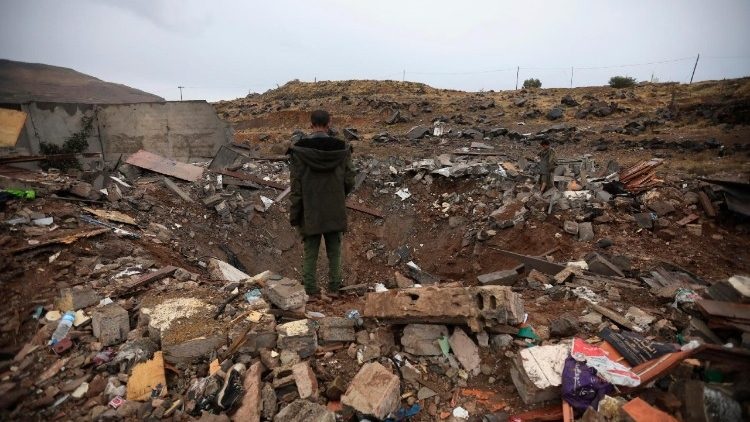
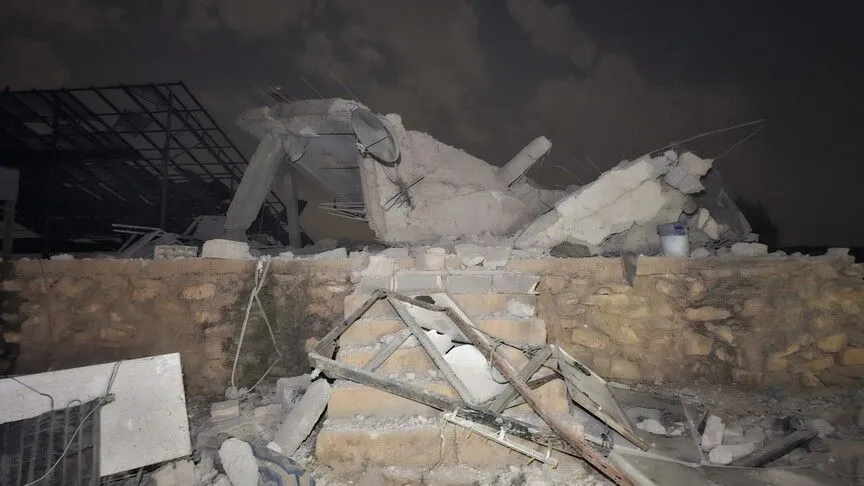
Jordanian airstrikes in southern Syria killed six people. The casualties include an elderly man and three children.
The Daraa Health Directorate reported that four additional people were injured during the strikes.
According to the data released by the Daraa Health Directorate, the impact of the military activity has resulted in significant harm to the civilian population in southern Syria. The confirmation of six deaths, specifically including the elderly man and the three children, notes the severity of the incident. The four people who were injured are currently receiving medical attention as a result of the strikes. These casualty figures represent the official count provided by the health authorities tasked with monitoring the aftermath of the military intervention. The situation remains a point of focus for local medical services as they manage the influx of those affected by the strikes in the southern region.
Jordanian Military Operations Rationale
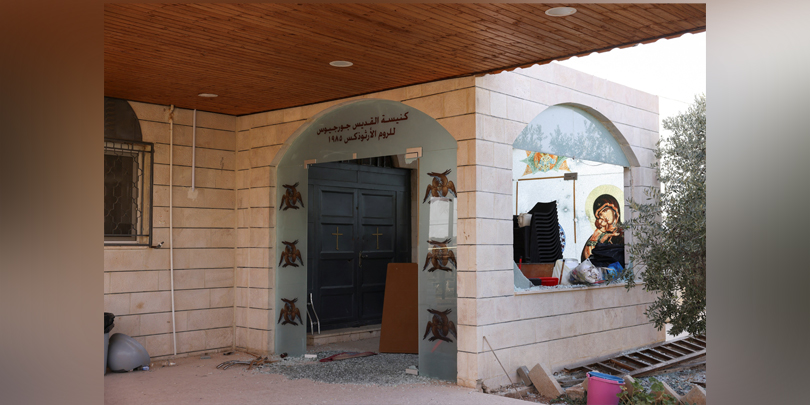
The Jordanian army stated it targeted sites belonging to terrorist organizations linked to a shooting at Hamoud Church in Karak province. Officials identified this attack as the reason for the airstrikes, noting that the shooting on Friday killed nine people.
Syria's Foreign Ministry stated the Jordanian strikes were carried out without prior coordination. Government representatives in Syria maintained that these military actions occurred within their territory absent any communication with Damascus officials.
The Jordanian army has publicly articulated that its decision to engage in these strikes was a direct response to the violence at Hamoud Church. By linking the airstrikes to the shooting in Karak province, the military command has established its stated objective as the targeting of specific organizations it holds responsible for the Friday incident. The loss of nine lives during the shooting at the church serves as the primary justification provided by Jordanian officials for the subsequent cross-border military operation.
In response, Syria's Foreign Ministry has issued a formal statement regarding the lack of engagement between the two nations. The ministry emphasized that the Jordanian strikes were carried out without prior coordination. By asserting that these military actions occurred within their territory absent any communication with Damascus officials, the Syrian government has showed a significant diplomatic friction point. The absence of dialogue regarding these operations remains a central concern for the Syrian government as it addresses the military activity within its borders.