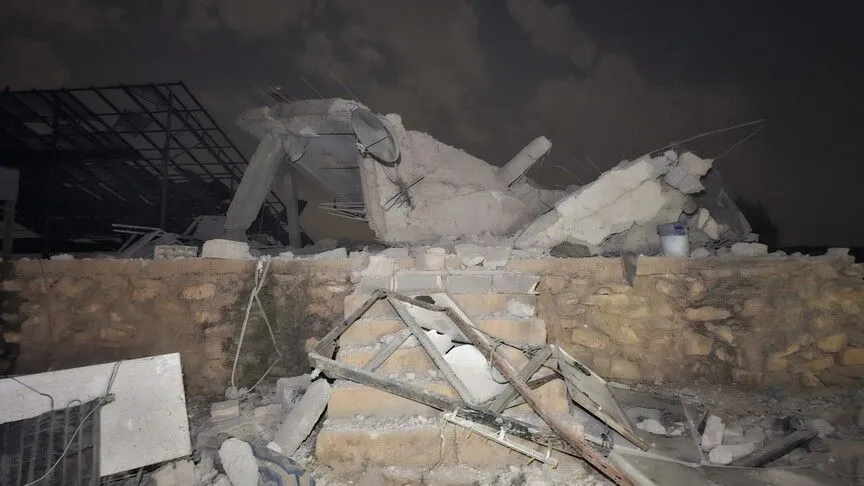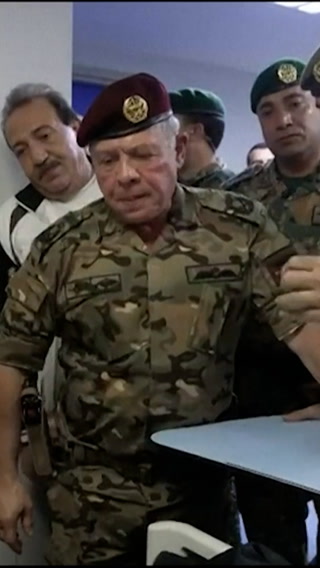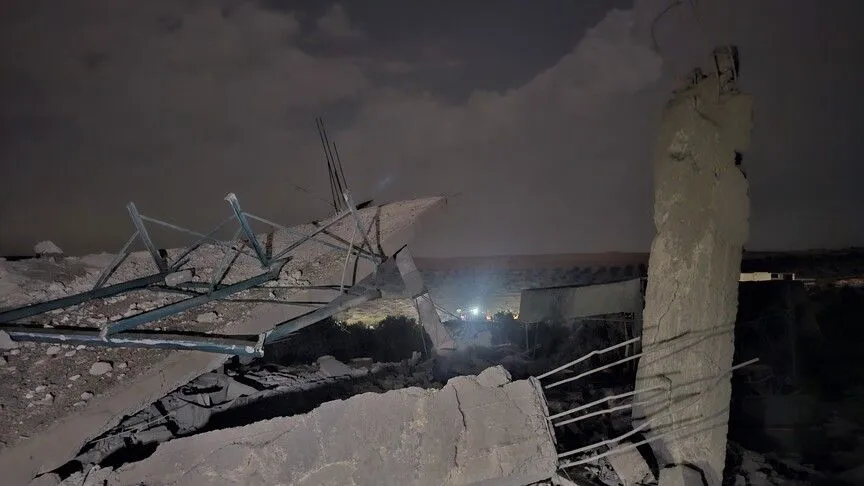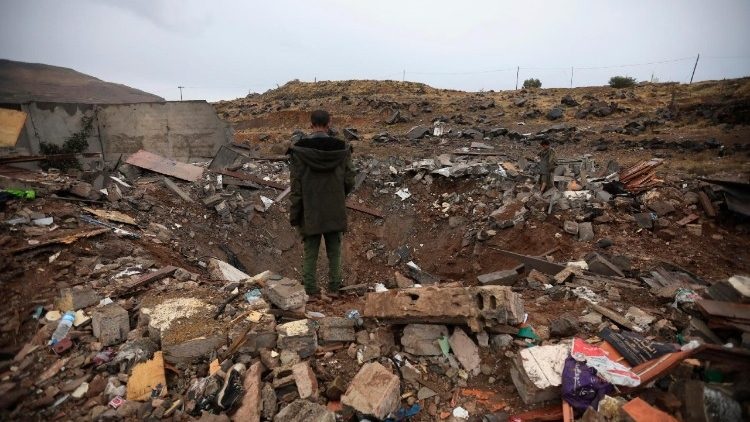
Jordanian fighter jets conducted airstrikes against terrorist sites in southeastern Syria on 27 October 2026. The Jordanian Armed Forces stated, "Fighter jets from the Royal Air Force destroyed a number of terrorist sites in southeastern Syria." These strikes were launched in retaliation for a church attack in Karak that killed nine people on 23 October 2026. The military action, which involved Jordanian fighter jets, focused on specific locations within southeastern Syria on 27 October 2026. This operation served as a direct response to the violent assault that transpired in Karak on 23 October 2026, which left nine individuals dead. Regarding the outcome of the aerial operation, the Jordanian Armed Forces reported, "The operation resulted in the killing and wounding of many elements of the terrorist organizations and the destruction of a number of their vehicles." Military officials confirmed the strikes targeted positions within Syrian territory to address the security threat following the deadly incident in Karak.
Investigation Into Church Attack
ISIL (ISIS) claimed responsibility for the 23 October church attack in Karak. The organization issued a claim of responsibility for the assault that occurred on 23 October 2026 at the church in Karak. Jordanian security forces subsequently arrested three suspects in connection with the incident: Hazza Zaidan Mohammed, Meshal Zaidan Mohammed, and Ahmad Sami Hussein. These three suspects were apprehended by Jordanian security forces as part of the official investigation into the church attack. These individuals remain in custody as the government investigation into the assault continues.
Military Operations and Casualties
Syrian authorities reported that seven people were killed in the Jordanian airstrikes conducted on 27 October 2026. Among those reported dead were three children. The casualty figures provided by Syrian authorities indicate that seven people, including three children, died during the strikes carried out by Jordanian forces on 27 October 2026. These strikes, aimed at sites in southeastern Syria, followed the 23 October attack on a church in Karak.
Syrian customs authorities closed the Nassib border crossing with Jordan on 27 October 2026. This closure affects the primary transit point between the two countries, which serves as a vital route for regional trade and travel. The Nassib border crossing represents the main artery for movement between Jordan and Syria, and its closure on 27 October 2026 significantly disrupts the established transit corridor.
Mazin al-Farrayeh, Jordan’s Interior Minister, addressed the status of the ongoing security operations and the investigation into the Karak attack. Regarding the suspects currently in custody, Mazin al-Farrayeh stated, "The file has not yet been closed; investigations are still ongoing. As of today, there are no indications of any links between them and other cells." The government continues to manage the security situation following the incident, as investigations into the suspects and potential broader networks remain active. Minister Mazin al-Farrayeh emphasized that the process of gathering evidence and questioning the three suspects is a priority for the Jordanian authorities. As the investigation proceeds, the government maintains its focus on determining the full extent of the involvement of Hazza Zaidan Mohammed, Meshal Zaidan Mohammed, and Ahmad Sami Hussein in the Karak church attack.