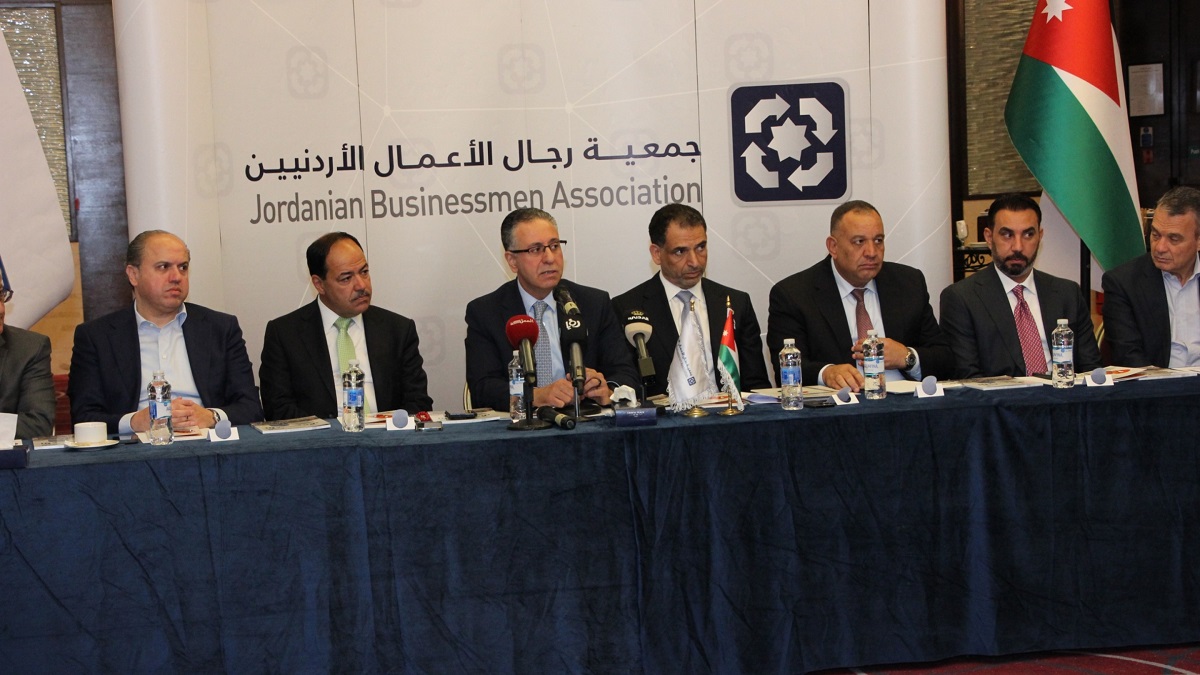
Jordan has secured a favorable tariff understanding with the United States, allowing more than 60 percent of its exports to the US market to be subject to zero tariffs. The government initiated negotiations with the US immediately following Washington's announcement of its new tariff policy, which necessitated a re-evaluation of existing trade arrangements. This development, seen as a significant step in bilateral economic relations, was revealed at a business breakfast event hosted by the Jordanian Businessmen Association. The agreement aims to bolster Jordanian trade relations and economic opportunities with the United States, providing a clearer and more predictable framework for exporters. This strategic move is anticipated to enhance Jordan's economic stability and growth by facilitating greater access to one of the world's largest consumer markets.
Key Sectors Gain Zero Tariffs
While a substantial portion benefits, the remaining Jordanian exports to the US market will face an additional tariff of 10 percent. Despite this, the apparel and garment sector secured full zero-tariff treatment, ensuring its products can enter the United States without incurring any tariffs. This specific agreement on apparel and garments is expected to provide a significant advantage to Jordanian manufacturers in this key industry, supporting their competitiveness in the US market. The zero-tariff status for this sector is particularly key given its substantial contribution to Jordan's export economy and employment. This favorable condition is designed to encourage further investment and expansion within the apparel manufacturing industry, positioning Jordan as a more attractive sourcing destination. The overall understanding marks a structured approach to trade relations between Jordan and the United States, defining clear tariff conditions for various export categories and offering targeted support to vital industries.
Negotiation Process and Framework
The new tariff understanding operates within the established framework of the Jordan-US Free Trade Agreement. This existing agreement provided the foundational legal and economic structure for the recent discussions, ensuring continuity and adherence to international trade principles. Key commodities exported from Jordan, including pharmaceuticals, fertilizers, and phosphate, also secured full zero-tariff treatment under the new arrangement. This ensures that these significant Jordanian exports will not incur any additional duties upon entry into the United States, thereby preserving their competitive edge. The agreement on these sectors follows the zero-tariff status previously confirmed for apparel and garments, noting a full approach to protecting Jordan's key export industries. The entire negotiation process involved a series of intensive meetings and multiple negotiating rounds conducted over several months, reflecting the complexity and importance of the discussions. These sustained dialogues were key in shaping the specific tariff conditions for various Jordanian export categories to the US market, culminating in an outcome favorable to Jordanian trade interests.
Ministerial Statement and Future Outlook
Jordan's Minister of Industry, Trade, and Supply, Yarub Qudah, articulated the government's perspective on the understanding, emphasizing its role in solidifying bilateral trade ties. He noted that the agreement shows a commitment to fostering economic growth and stability within Jordan, particularly through enhanced export performance. The understanding is anticipated to enhance the competitiveness of Jordanian products in the US market, particularly for sectors now enjoying zero-tariff access, making them more attractive to American consumers and businesses. Officials noted that the agreement's implementation is expected to facilitate increased export volumes and attract further investment into key Jordanian industries, leading to job creation and economic diversification. The government plans to continue monitoring the impact of the new tariff conditions and remains open to further dialogue to optimize trade benefits under the Jordan-US Free Trade Agreement, ensuring the arrangement continues to serve Jordan's economic interests effectively. This proactive stance signals a long-term commitment to strengthening trade relations and exploring new avenues for collaboration.