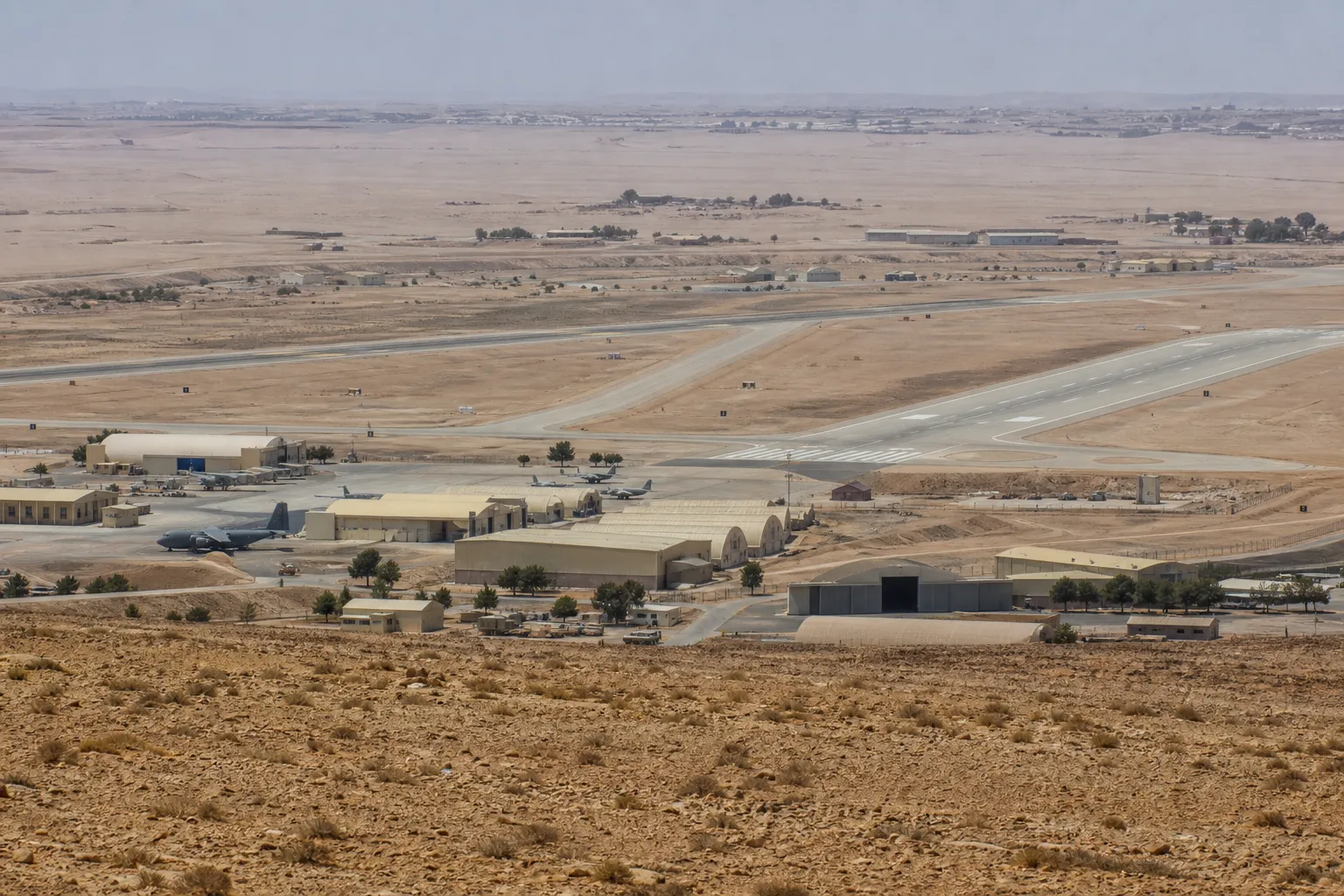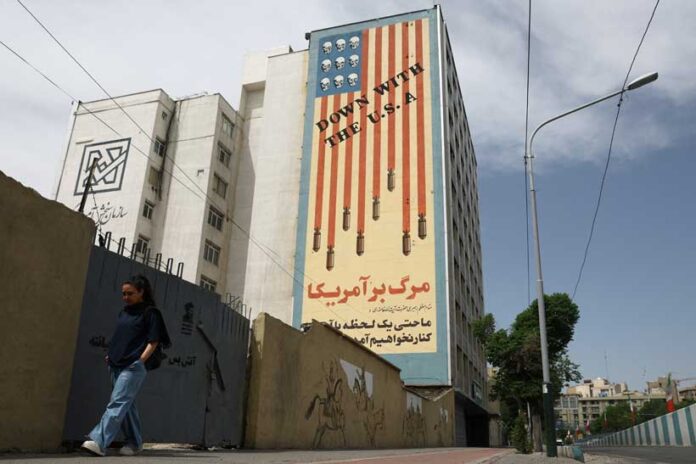
A report indicating Iran acquired satellite imagery of a United States military base in Jordan from Chinese entities has ignited significant security concerns in Washington. The development raises pointed questions about the scope and nature of China's relationship with Tehran and, more specifically, whether Chinese commercial or other entities are supplying information that could directly support Iran’s military operations. The imagery reportedly predates a deadly attack on the U.S. Base, adding a layer of urgency to these inquiries. This particular report has prompted a re-evaluation of potential security implications for U.S. Forces in the region and the broader strategic landscape.
Reported Imagery Transfer Under Scrutiny
The Wall Street Journal first reported on the matter, citing unnamed U.S. Officials who indicated that Iran had obtained satellite imagery before a deadly attack on a United States military base in Jordan. This claim has drawn considerable attention from international media and security analysts. Reuters stated it could not immediately verify the report detailing the imagery transfer, showing the sensitivity and complexity of the allegations. The report specifically points to possible assistance from Chinese entities in providing this critical information to Iran. However, it is important to note that the report does not establish that the government in Beijing explicitly ordered or coordinated the transfer of information to Tehran. Despite this distinction, the reported acquisition of imagery from Chinese sources has intensified scrutiny regarding the nature of the relationship between China and Iran, particularly concerning any potential dual-use technologies or information that could be leveraged for military purposes. The implications of such a transfer, even if not state-directed, are a central point of concern for U.S. Intelligence and defense officials.
U.S. Casualties and Regional Context
The military base in Jordan was the site of a deadly attack in July, which resulted in the deaths of three U.S. Troops. This incident forms a critical backdrop to the current concerns surrounding the alleged intelligence transfer. Since the U.S. Israeli war with Iran began at the end of February, the broader regional conflict has seen a significant toll on American forces. At least 18 U.S. Service personnel have been killed in various incidents during this period, noting the volatile security environment in the Middle East. The reported acquisition of satellite imagery prior to the July attack is therefore viewed with heightened seriousness by U.S. Authorities, as it suggests a potential intelligence advantage gained by adversaries.
Presidential Response and Diplomatic Outlook
U.S. President Donald Trump has publicly played down the report indicating Iran acquired satellite images of a base in Jordan from Chinese entities before the July attack that killed three U.S. Troops there. When questioned by reporters on whether he intended to raise this specific issue with Chinese President Xi Jinping at an upcoming meeting, President Trump did not directly answer. Instead, he offered a broader perspective on international intelligence activities. He compared Chinese surveillance activities with those of the United States, stating, "China spies on the United States while Washington also conducts surveillance of China." This statement appeared to frame the alleged incident within the context of routine intelligence gathering between major powers. Trump also reiterated his belief in maintaining a good relationship with President Xi, adding that he felt "both countries have behaved reasonably toward each other." The two leaders are expected to meet in the United States on September 24, a highly anticipated diplomatic engagement. However, China has not yet officially confirmed the meeting, leaving some uncertainty regarding the exact timing and agenda of the high-level discussions. The potential for this satellite imagery report to influence those discussions remains a key point of speculation.