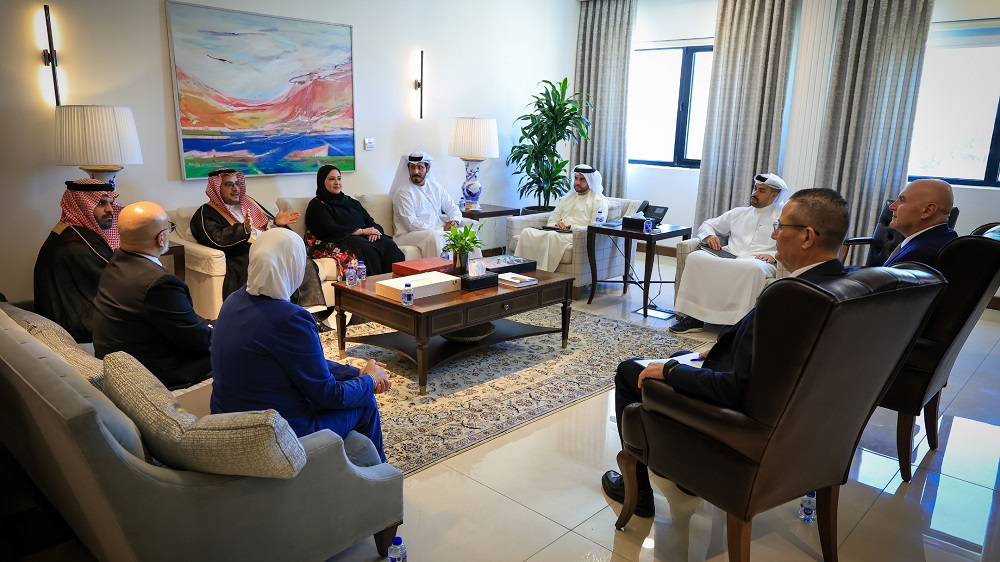
Jordan reaffirmed its high-level political commitment to preparing for its third-round mutual evaluation on anti-money laundering (AML), counter-terrorist financing (CFT), and counter-proliferation financing (CPF), during a Sunday meeting with a visiting delegation from a regional financial crime watchdog. The evaluation is scheduled for 2027-2029, showing the Kingdom's ongoing efforts to strengthen its financial integrity framework. This key assessment aims to ensure Jordan's compliance with global standards in combating illicit financial flows. The meeting, which took place at the Prime Ministry, emphasized Jordan's dedication to meeting international standards in combating financial crimes. This reaffirmation occurred as officials engaged with the delegation to discuss the upcoming assessment process and strategic preparations, noting the proactive stance Jordan is taking.
National Efforts Underway
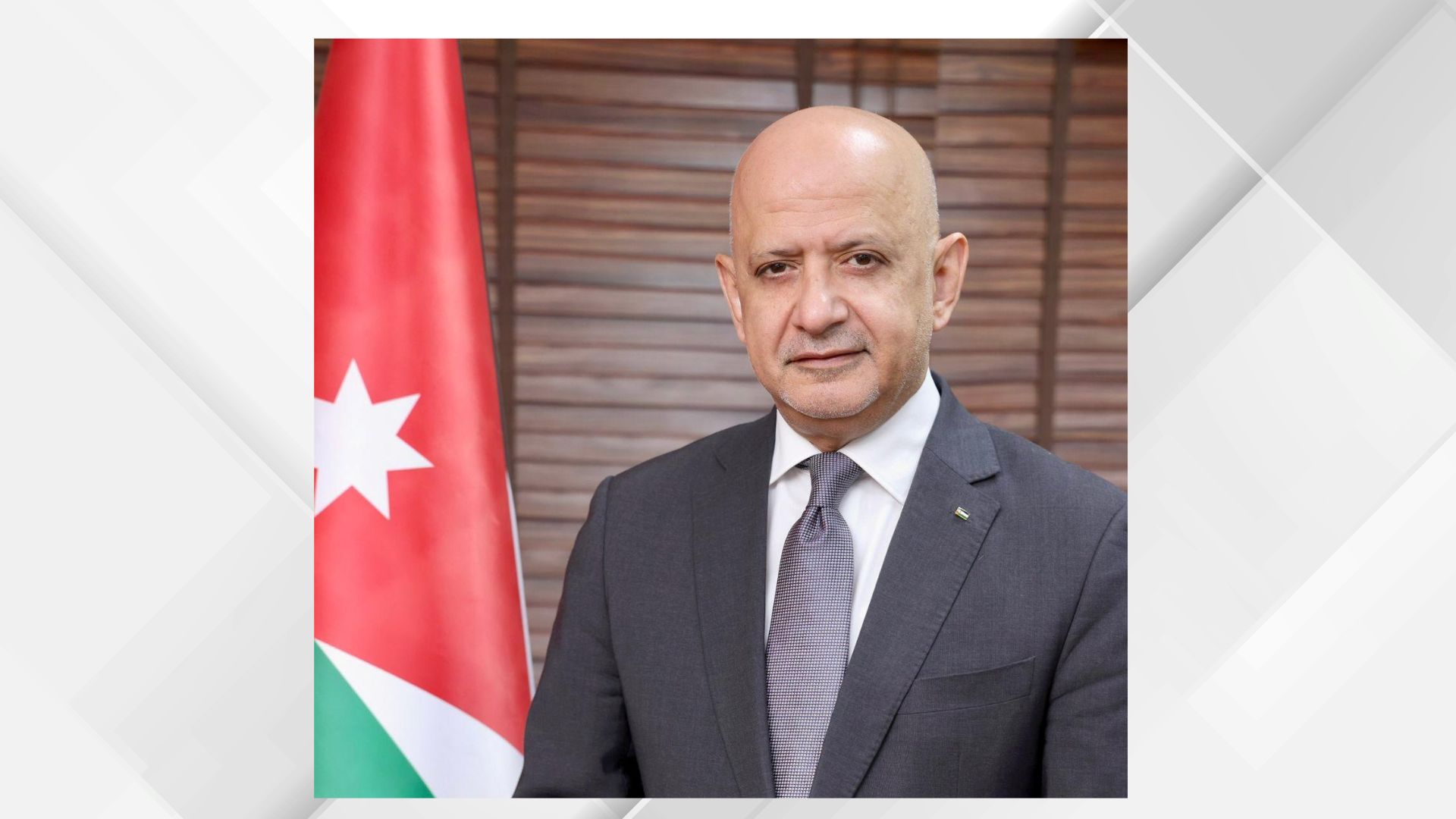
Adel Sharkas, chairman of the National Committee for AML, CFT and governor of the Central Bank of Jordan, briefed the meeting on national efforts to strengthen the system. Sharkas described a systematic national plan, emphasizing its backing by firm political and institutional will. The committee has actively updated its legislative, regulatory, and procedural frameworks to align with international best practices. These updates include the adoption of a plan specifically for legislative amendments, demonstrating a structured approach to legal reform. This continuous process ensures that Jordan's legal infrastructure remains strong and adaptable to emerging threats and evolving global benchmarks.
Additionally, the committee has initiated a National Risk Assessment project. This full assessment involves close collaboration between various government agencies and the private sector, aiming to identify and mitigate potential vulnerabilities within Jordan's financial system. The project is a critical component of Jordan's strategy to proactively address financial crime risks, ensuring that resources are allocated effectively to areas of highest concern. Jordan maintains an ongoing process of updating its legislation to ensure it keeps pace with evolving international standards for anti-money laundering, counter-terrorist financing, and counter-proliferation financing. This continuous effort reflects the Kingdom's commitment to strengthening its financial integrity framework ahead of its upcoming mutual evaluation, ensuring sustained compliance and effectiveness. The legislative updates are not merely reactive but are part of a broader, forward-looking strategy to maintain a resilient financial environment.
Regional Context and Past Successes
Jordan exited the Financial Action Task Force's (FATF) gray list in 2023, marking a significant milestone in its efforts to combat financial crimes. This achievement was the culmination of dedicated reforms and demonstrated the country's resolve to meet stringent international requirements. The Kingdom further demonstrated its regional leadership during its 2025 Middle East and North Africa Financial Action Task Force (MENAFATF) presidency. This included hosting the first-ever meeting of regional central bank governors, an initiative designed to advance the presidency's priorities and influence regional policy on anti-money laundering and counter-terrorist financing. This pioneering meeting showed Jordan's commitment to fostering regional cooperation and sharing best practices in the fight against financial crime.
MENAFATF Executive Secretary Suliman Aljabrin noted that the organization "was established in 2004 and comprises 21 Arab countries working to counter money laundering and terrorist financing risks across the Middle East and North Africa." This regional body plays a vital role in coordinating efforts and promoting adherence to international standards among its member states. The recent meeting in Amman also saw the attendance of MENAFATF Vice President Sheikha May Al Khalifa and Samya Abou Sharif, who serves as the director of Jordan's Anti-Money Laundering and Counter-Terrorist Financing Unit. Their presence noted the collaborative spirit and the importance placed on these discussions by both regional and national stakeholders. The discussions served as a platform for exchanging insights and reinforcing collective commitments to financial security.
Political Will and Future Outlook
Deputy Prime Minister and Minister of State for Economic Affairs Muhannad Shehadeh chaired the meeting at the Prime Ministry, engaging with a delegation from the Middle East and North Africa Financial Action Task Force (MENAFATF). MENAFATF President Hamid Al Zaabi led the delegation during discussions focused on Jordan's preparations for its upcoming mutual evaluation. The high-level participation from both Jordanian officials and the MENAFATF delegation shows the Kingdom's dedication to its anti-money laundering, counter-terrorist financing, and counter-proliferation financing commitments. This engagement reflects a clear political will to ensure Jordan's financial system remains secure and compliant with global standards.
Jordan's reforms are grounded in its constitution, reflecting a national duty to protect the economy. These efforts are seen as essential for strengthening trust in institutions and safeguarding social stability within the country. The government views these preparations not merely as compliance with international standards, but as integral to its internal economic and societal resilience. This approach aims to ensure that the legislative and procedural enhancements contribute to a more secure and stable financial environment. The ongoing commitment to these reforms is expected to bolster Jordan's position ahead of the 2027-2029 evaluation, reinforcing its reputation as a responsible and secure financial jurisdiction in the region and globally.