An ammonia gas leak occurred recently in Aqaba, Jordan, resulting in injuries and prompting an immediate emergency response. The incident took place in the vital port city, which is strategically located near the borders of Israel, Saudi Arabia, and Egypt, a geographical position that often places it at the center of regional attention. The event shows the critical importance of industrial safety protocols, particularly in areas with significant logistical and economic operations.
Details of the Incident
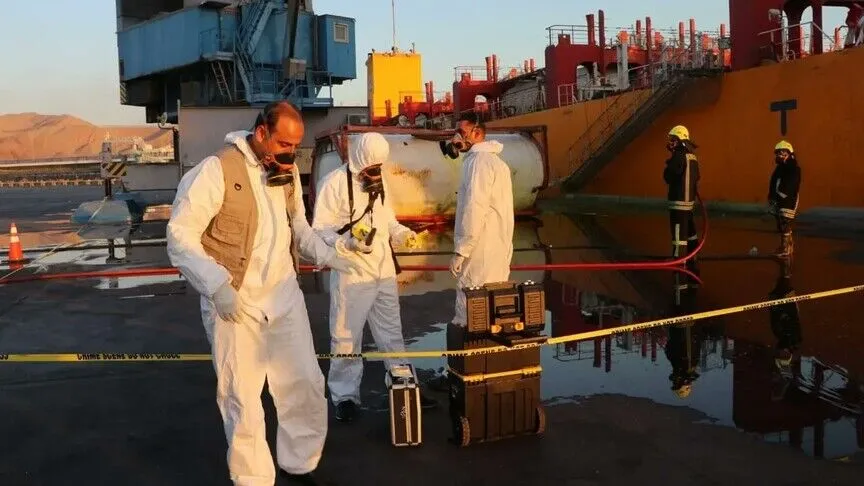
At least 11 people were reportedly injured following an ammonia gas leak in Aqaba. The incident occurred during routine maintenance work being carried out on an old pump or pressure equipment. This equipment, key to port operations, is believed to be the source of the hazardous gas release. The leak prompted swift emergency responses from local authorities and specialized teams in the Jordanian port city, aiming to mitigate the danger and ensure public safety. This incident adds to ongoing concerns in the region, which is strategically positioned near the borders of Israel, Saudi Arabia, and Egypt, making any unusual event subject to close scrutiny. Authorities initiated full protocols to manage the situation and ensure public safety after the release of the hazardous gas. The immediate focus was on containing the leak and providing medical attention to those affected. Investigations are now expected to determine the precise cause of the equipment malfunction and the full extent of the leak, as well as to identify any potential systemic issues that may have contributed to the incident. The safety of port workers and the local populace remains a critical concern as the investigation unfolds.
Geopolitical Context and Concerns
The ammonia gas leak in Aqaba was not immediately attributed to an attack, according to initial reports from Jordanian officials, who have emphasized the industrial nature of the accident. This clarification was key given the sensitive geopolitical environment. The incident occurred in a period where tensions remain high across the region, making any unexpected event a potential source of alarm. Jordan shares extensive borders with both Israel and Saudi Arabia, and the port city of Aqaba is not only a major economic hub but also strategically located near these nations, as well as Egypt. This proximity means that events in Aqaba can draw significant regional and international attention. The broader geopolitical landscape of the Middle East has seen persistent instability, contributing to heightened vigilance regarding any unusual incidents, whether accidental or otherwise. The initial assessment ruling out an attack helped to de-escalate immediate concerns regarding regional security implications. Authorities are continuing to monitor the situation closely while investigations into the cause of the leak proceed, ensuring that all aspects of the incident are thoroughly examined.
Official Response and Safety Measures
Jordanian authorities swiftly stated that the ammonia gas leak in Aqaba was contained, providing reassurance to the public and regional partners. This assurance followed the incident, which saw 11 individuals injured during maintenance work on old pump or pressure equipment. The rapid response and containment efforts were critical in preventing further injuries or wider environmental impact. As a precautionary measure and to ensure the highest standards of safety, workers are expected to return to their duties only after full safety inspections and measurements are completed. These rigorous measures are being implemented to ensure the area is entirely secure and free from any residual hazards before normal operations at the port can fully resume. The commitment to thorough safety checks reflects the authorities' dedication to protecting the workforce and maintaining the operational integrity of this vital port. The incident notes the ongoing need for stringent safety protocols and regular equipment maintenance in industrial settings, especially those handling hazardous materials.