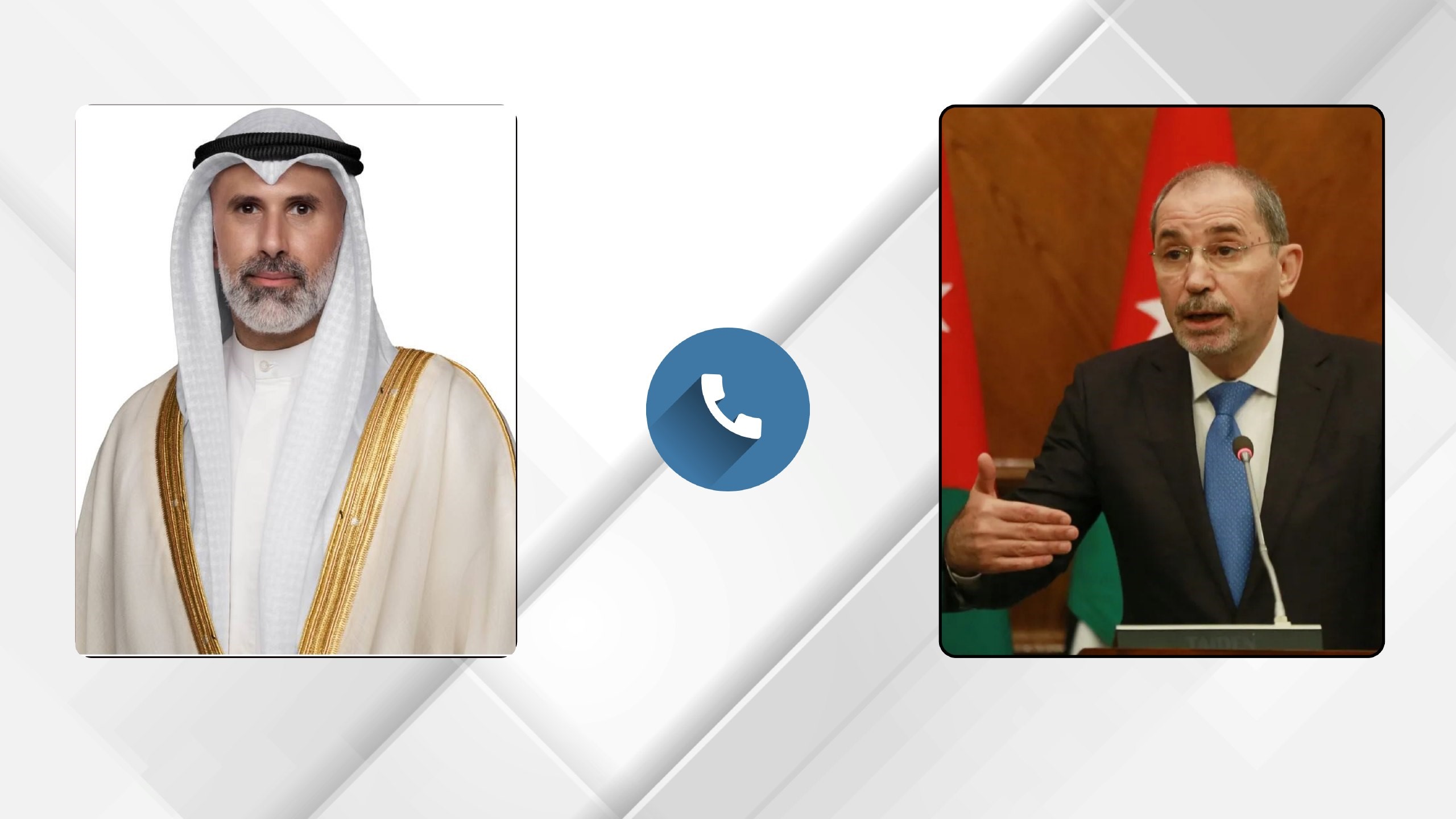
Jordanian Foreign Minister Ayman Safadi and his Kuwaiti counterpart, Sheikh Jarrah Sabah, engaged in a key phone call on Tuesday, July 14, 2026, to discuss the escalating regional tensions and collaborative de-escalation efforts. During their detailed conversation, the ministers showed the urgent need for stability in the Middle East. A central point of their discussion was a joint appeal for the immediate implementation of a US-Iran ceasefire, which they believe is vital to prevent further deterioration of the security situation. This diplomatic exchange, originating from Amman on July 14, signifies a concerted regional effort to address ongoing conflicts and promote peaceful resolutions.
Calls for De-escalation
The Jordanian and Kuwaiti foreign ministers issued a strong call for a return to negotiations, emphasizing that such talks are essential to achieve a full solution. This full solution, they stated, must be designed to effectively resolve the root causes of the prevailing tensions across the region. Their vision for a lasting resolution aims to secure enduring stability, thereby fostering an environment conducive to peace and prosperity for all nations involved. The ministers noted that sustained dialogue, rather than military confrontation, is the only viable path to achieving long-term security.
The ministers jointly emphasized the critical importance of guaranteeing freedom of navigation in the Strait of Hormuz. They asserted that all measures related to this vital waterway must be implemented strictly in accordance with international law. This stance reflects a shared concern for global trade routes and the principle of unimpeded maritime passage, which is key for the world economy. Their joint appeal, therefore, not only shows deep-seated concerns about regional security but also notes the imperative for diplomatic pathways to address ongoing challenges and prevent conflicts from disrupting essential international activities. The Strait of Hormuz, a narrow choke point, is strategically significant for global oil supplies, making its security a critical concern for many nations.
Condemnation of Strikes
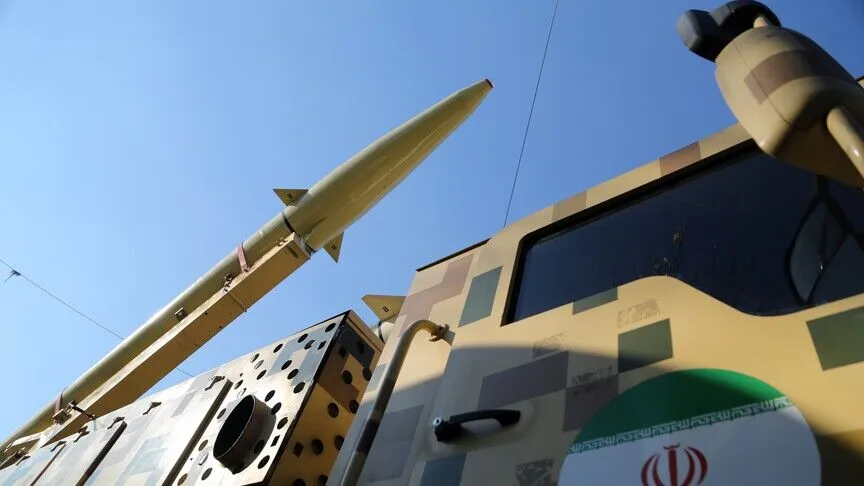
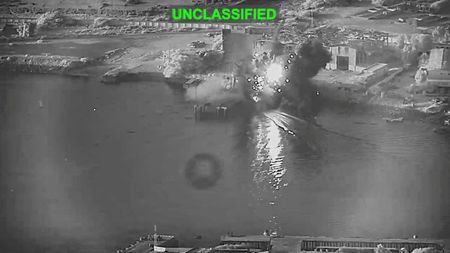
During their high-level discussions, Jordanian Foreign Minister Ayman Safadi and Kuwaiti Foreign Minister Sheikh Jarrah Sabah unequivocally condemned recent Iranian strikes. They specifically stated that these aggressive actions targeted Jordan, Kuwait, and other Gulf Cooperation Council (GCC) nations, representing a significant threat to regional stability. The two ministers expressed their strong disapproval of these actions, viewing them as destabilizing and provocative. In addition to condemning the Iranian strikes, Safadi and Sabah also denounced the persistent Houthi attacks that have impacted southern Saudi Arabia, recognizing the severe threat these pose to the Kingdom's civilian population and infrastructure.
The ministers showed the inherently destabilizing nature of such assaults on regional security, warning of their potential to ignite broader conflicts. Their joint statement noted a shared and profound concern over the escalation of military actions, emphasizing the potential broad and detrimental impact these could have across the entire Middle East. This collective condemnation signals a united front among key regional players against what they perceive as aggressive and unwarranted military interventions, reinforcing the call for restraint and adherence to international norms. The ongoing nature of these attacks, particularly those affecting critical infrastructure and civilian areas, was noted as a serious impediment to peace.
Support for Saudi Arabia
In a significant show of solidarity, Jordanian Foreign Minister Ayman Safadi and Kuwaiti Foreign Minister Sheikh Jarrah Sabah also conveyed their "full support for all measures" taken by Riyadh. This declaration firmly affirmed their unwavering backing for Saudi Arabia's actions, which are aimed at safeguarding its sovereignty, ensuring its national security, and maintaining its internal stability. The ministers' statement showed a unified regional stance against perceived threats, demonstrating a collective commitment to supporting Riyadh's defensive efforts against external aggressions.
Their expressions of solidarity highlight the deeply interconnected security interests among these nations, emphasizing that an attack on one is often viewed as a threat to the stability of the others. This unified front is key in addressing the complex security landscape of the Middle East, where regional cooperation is seen as essential for collective defense and deterrence. The support for Saudi Arabia reiterates the principle of mutual assistance among allies in the face of persistent external challenges, reinforcing the framework of regional security alliances.
Article Context
The article was published on July 14, 2026, at 20:11:22.