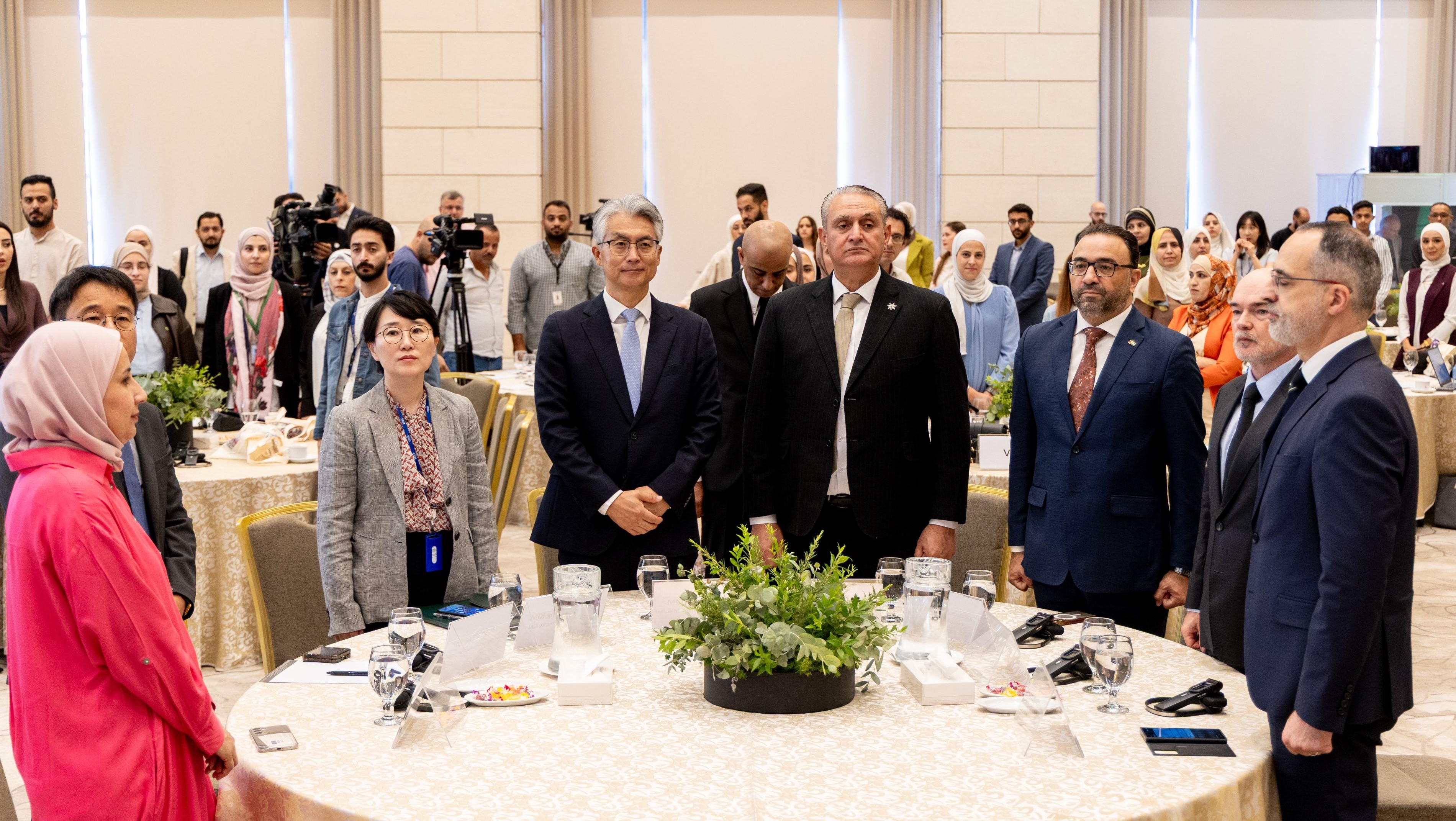
The Ministry of Environment, in cooperation with the Global Green Growth Institute (GGGI), the Korea International Cooperation Agency (KOICA), and Good Neighbors Jordan, concluded the 'Creating Sustainable Green Jobs for Refugees and Host Communities through the Green Economy in Jordan' project on Tuesday, July 21, 2026. This initiative, implemented from 2023 to 2026, represented a concerted effort to foster sustainable development within the Hashemite Kingdom. The project specifically aimed to expand green employment opportunities, empower women, young people, refugees, and host communities, and support Jordan’s transition toward a more inclusive and sustainable green economy. Through its full approach, the initiative sought to address pressing environmental concerns while simultaneously generating economic benefits and social inclusion. South Korean Ambassador Kim Pil-woo described the project as "sustainable," showing its long-term impact on the country's economic development and social integration efforts. This strategic collaboration brought together international expertise and local commitment to achieve its ambitious goals.
Project Achievements and Impact
The project yielded "tangible" results by developing green skills, promoting environmental entrepreneurship, and providing incubation and acceleration programs for startups, according to Minister of Environment Ayman Suleiman. These concrete outcomes demonstrate the project's effectiveness in fostering a new generation of environmentally conscious professionals and businesses. The initiative strengthened the capacities of young people, women, and entrepreneurs, supporting Jordan's transition toward what Suleiman described as a "more sustainable and inclusive" economy. By focusing on these key demographics, the project ensured that its benefits reached those who could most effectively drive future green growth. South Korean Ambassador Kim Pil-woo characterized the project as "sustainable," indicating its long-term benefits for the country's development and its potential to serve as a model for similar initiatives in the region. The full nature of the training and support provided was central to these achievements.
A total of 1,649 beneficiaries completed green-skills training programs through the project. These programs equipped participants with the necessary knowledge and practical abilities to thrive in emerging green sectors, ranging from renewable energy to sustainable agriculture. Additionally, 870 prospective entrepreneurs received specialized training designed to foster environmental business initiatives. This entrepreneurial focus was key for translating green ideas into viable enterprises that could create further employment. The project also supported 303 businesses that joined incubation programs, offering resources and guidance for their early development. These incubation services included mentorship, access to funding networks, and strategic planning assistance, all vital for nascent businesses. 22 companies benefited from acceleration programs, which aimed to scale up their operations and market reach within the green economy sector. The acceleration phase helped these businesses overcome growth challenges and solidify their position in the competitive market.
National Priorities and International Support
Minister of Environment Ayman Suleiman emphasized that green jobs represent a national priority for Jordan. He stated that "green jobs are a national priority that combines environmental protection, economic growth, and employment creation in line with the Economic Modernization Vision and the Sustainable Development Goals." This declaration shows the project's alignment with Jordan's broader strategic objectives for sustainable development and economic growth, noting its integral role in the nation's future. The Minister further elaborated on the multifaceted benefits of green jobs, noting their capacity to contribute to environmental stewardship while simultaneously stimulating economic activity and providing much-needed employment opportunities across various sectors.
The project also played a significant role in developing Jordan’s policy framework for green employment. It contributed to the drafting of the country’s first National Green Employment Action Plan, a key step towards institutionalizing and expanding green job initiatives nationwide. This foundational policy document is expected to guide future efforts in fostering a "more sustainable and inclusive" economy, as previously described by Minister Suleiman, by providing a clear roadmap for governmental and private sector interventions. The development of this action plan signifies a long-term commitment to integrating green principles into national economic planning and development strategies.
South Korean Ambassador Kim Pil-woo affirmed his country's commitment to Jordan's development through the initiative. Ambassador Kim Pil-woo stated that the project reflected South Korea’s dedication to supporting "sustainable" development in Jordan, showing the strong bilateral ties and shared vision for a greener future. This support included $5.5 million in funding, which was provided by the Korea International Cooperation Agency (KOICA). This substantial financial contribution was instrumental in enabling the project to deliver its wide array of programs and achieve its impactful results, demonstrating a strong international partnership for sustainable development.
Future Cooperation and Vision
The project's conclusion initiates a new phase of cooperation for Jordan, focusing on national partnerships, capacity-building initiatives, knowledge products, and mechanisms to support green entrepreneurship. This transition aims to build upon the successes achieved during the project's implementation, ensuring that the momentum generated continues to drive progress. The closing ceremony, marking the project's official end, saw the attendance of Ministry of Environment Secretary-General Omar Arabiyat, showing the government's involvement and interest in the initiative's outcomes and future directions. His presence noted the institutional backing for the continued integration of green economy principles into national development. The emphasis on national partnerships is expected to integrate the project's strategies into broader governmental frameworks, ensuring sustained progress and widespread adoption of green practices. Capacity-building efforts will continue to empower individuals and institutions, fostering skills essential for a green economy and enabling local communities to take ownership of sustainable development. The development of knowledge products aims to disseminate best practices and lessons learned from the project, providing valuable resources for future initiatives both domestically and internationally. Finally, green entrepreneurship support mechanisms are designed to cultivate new sustainable businesses and job opportunities across the country, fostering an innovative and environmentally responsible economic landscape.