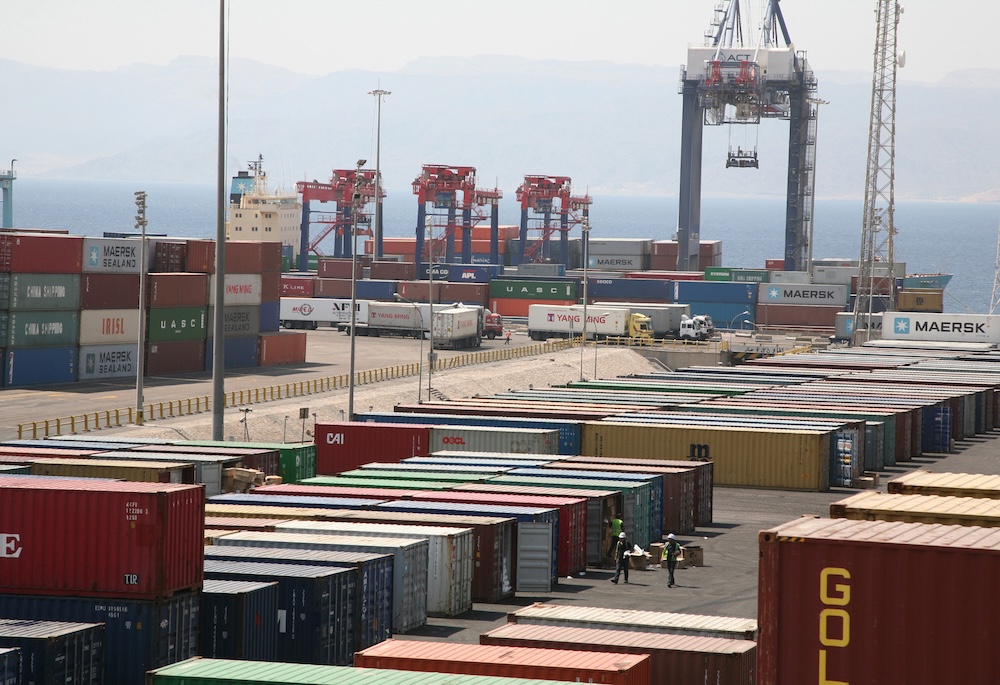
The United States and Jordan formally signed a new reciprocal trade agreement on Tuesday, with the pact aimed at strengthening economic ties, expanding market access, and deepening strategic cooperation between the two nations. This significant bilateral development shows a commitment to fostering a more strong and integrated economic relationship. US Trade Representative Greer and Jordanian Minister of Industry, Trade, and Supply Yarub Qudah signed the agreement on behalf of their respective governments, marking a key moment in their ongoing partnership. The signing ceremony solidified the mutual commitment to enhancing trade and investment flows, reflecting a shared vision for economic prosperity and stability in the region.
Key Provisions Detailed
The new trade pact stipulates that Jordan will reduce existing trade barriers, enhance market access for goods originating from the United States, and streamline customs procedures. This measure aims to facilitate smoother and more efficient commercial exchanges between the two countries, significantly reducing the complexities often associated with international trade. By simplifying these processes, the agreement seeks to encourage greater volumes of goods and services to move across borders.
Multiple sectors are expected to benefit significantly from the provisions of this agreement, including agriculture, manufacturing, and automotive exports. For the agricultural sector, the pact is anticipated to open new avenues for American produce in the Jordanian market, while Jordanian agricultural products may also find enhanced access to the US. In manufacturing, the reduction of barriers could lead to increased collaboration and trade in manufactured goods. The automotive sector, a key export for the United States, stands to gain from improved market access, potentially increasing the availability of American-made vehicles and parts in Jordan.
The deal also incorporates full commitments designed to support digital trade, bolster the protection of intellectual property rights, and uphold elevated labor and environmental standards. These provisions acknowledge the evolving landscape of global commerce, ensuring that digital transactions are secure and efficient, and that creative and innovative works are adequately protected. The inclusion of high labor and environmental standards reflects a shared commitment to ethical trade practices and sustainable development, ensuring that economic growth does not come at the expense of worker welfare or ecological integrity.
The agreement strengthens cooperation between the United States and Jordan on key areas such as supply chain security and investment. By fostering greater collaboration in these domains, the pact aims to create more resilient and reliable supply chains, reducing vulnerabilities and ensuring the smooth flow of essential goods. Enhanced cooperation on investment is designed to attract and protect foreign direct investment in both countries, stimulating economic growth and job creation. It also includes strong provisions aimed at preventing unfair trade practices, fostering a more equitable and stable trading environment for businesses operating in both nations. These measures are critical for building trust and ensuring fair competition.
Building on Partnership
The agreement builds on the long-standing US-Jordan Free Trade Agreement, which has governed trade relations between the two countries for several years. This new pact aims to modernize and expand upon the existing framework, addressing contemporary trade challenges and opportunities that have emerged since the original agreement was established. It reinforces the economic partnership established by the prior agreement, seeking to foster deeper integration and mutual prosperity through updated mechanisms and broadened scope. The updated provisions are intended to further facilitate trade flows and investment in various sectors, drawing from the solid foundation laid by the original free trade agreement. This continuity ensures that the new agreement leverages past successes while adapting to current global economic dynamics.
Economic Benefits Outlined
U.S. Officials stated the new trade agreement is expected to expand opportunities for American businesses. This expansion is anticipated through reduced tariffs, streamlined customs, and enhanced market access, allowing U.S. Companies to more easily export their goods and services to Jordan. The pact is also designed to reinforce Jordan's economic stability, according to the officials, by attracting foreign investment and stimulating domestic economic activity. The agreement aims to facilitate increased trade volumes and investment flows between the two nations, creating a more dynamic and interconnected economic landscape. It focuses on creating a more predictable and transparent trade environment, which officials believe will significantly benefit businesses operating in both the United States and Jordan by reducing uncertainty and fostering confidence. This framework is anticipated to support job creation and economic growth in both countries by reducing barriers and enhancing cooperation across various sectors. The provisions are intended to strengthen economic resilience and foster long-term prosperity, contributing to the overall well-being of their respective populations.