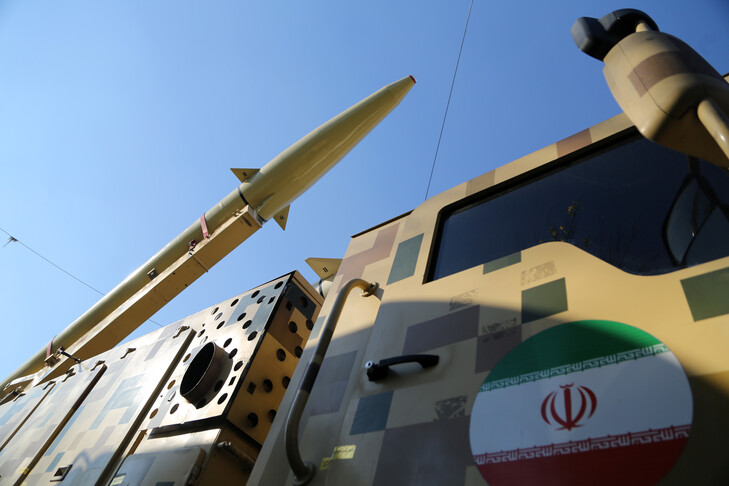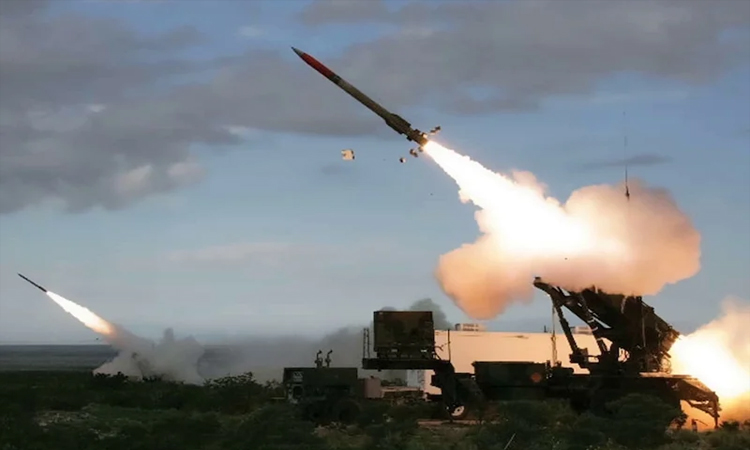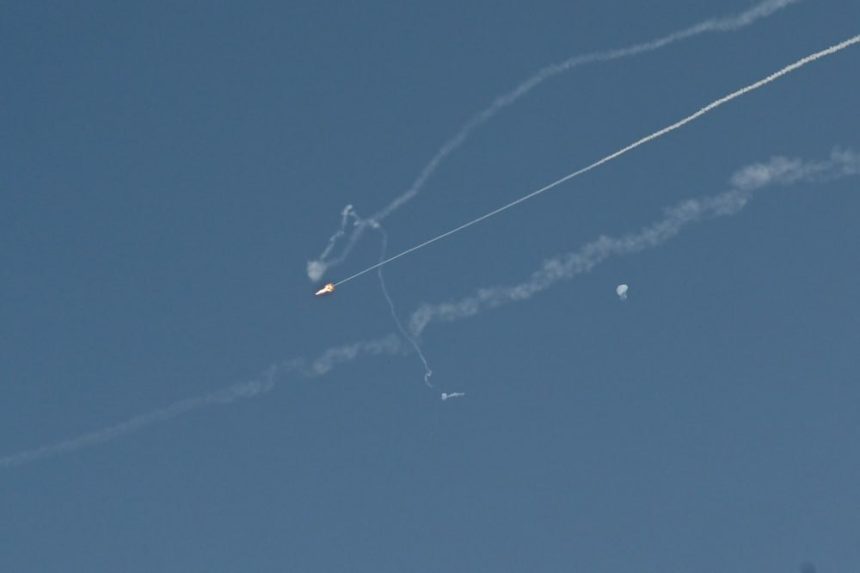
Jordan’s military announced Thursday that it intercepted and destroyed 20 missiles launched from Iran, which were targeting the Azraq area in Zarqa governorate. Simultaneously, the General Command of the Bahrain Defense Force stated its air defense systems successfully intercepted and destroyed multiple Iranian missiles and drones aimed at the kingdom. These separate but concurrent incidents highlight increasing regional instability.
Jordan's Air Defense Operations
Jordan’s armed forces stated that air defense systems and Royal Air Force aircraft carried out the interceptions of Iranian missiles, confirming no casualties or material damage resulted from the operations. The military specifically noted that 20 missiles, launched from Iran, were intercepted and destroyed as they headed towards the Azraq area in Zarqa governorate. This precise and timely action prevented potential devastation. Debris from the intercepted missiles fell in several areas across Jordan. Engineering teams subsequently secured these sites to manage the fallout, ensuring public safety and preventing any further risks.
The military also affirmed that it would not permit any violation of the kingdom's airspace, maintaining a high state of alert. This declaration shows Jordan's commitment to safeguarding its territorial integrity against external threats. A spokesperson for the armed forces emphasized the ongoing vigil, showing the commitment to national security and the readiness of its defense systems. The spokesperson reiterated that Jordan’s military would remain on high alert to respond to any further incursions or aggressive actions. This proactive stance is key in the volatile regional environment, demonstrating Jordan's resolve to protect its borders and its people.
Bahrain's Response and Impact
Bahrain reported intercepting and destroying several Iranian missiles and drones that had entered its airspace. The General Command of the Bahrain Defense Force confirmed that its air defense systems successfully intercepted and destroyed a number of Iranian missiles and drones targeting the kingdom. This defensive action was critical in mitigating the impact of the incoming projectiles. Earlier on Thursday, Bahrain’s Interior Ministry stated that an Iranian attack on the kingdom resulted in a child being injured, along with damage to homes and vehicles. This incident provided a stark reminder of the human cost and material damage that such attacks can inflict on civilian populations.
Bahrain’s military described Iran's continued aggression through missile and drone attacks targeting civilian areas as a violation of international humanitarian law, according to the Bahrain News Agency (BNA). This condemnation notes the serious implications of these actions on non-combatants and civilian infrastructure. The military further affirmed that all its units remained at the highest level of readiness to defend the country. This preparedness ensures that Bahrain is capable of responding swiftly and effectively to any future threats, reinforcing its defensive posture against ongoing aggression. The incidents show the significant security challenges faced by the kingdom.
Regional Tensions Heightened
The recent interceptions by Jordan and Bahrain unfold amid escalating tensions tied to the continuing U.S.-Israeli-Iranian conflict. This broader conflict has extended beyond Iran's geographical borders, contributing to heightened security concerns throughout the entire Gulf region. The incidents show the complex and interconnected security landscape impacting multiple nations in the Middle East. The involvement of various regional actors in defense operations against incoming projectiles indicates a widening scope of confrontation. These developments have prompted increased vigilance and defensive postures among countries concerned about the potential for further spillover from ongoing geopolitical rivalries. The reported actions by Jordan and Bahrain reflect a proactive stance in addressing potential threats originating from the current climate of regional instability, emphasizing the need for strong defense capabilities in the face of persistent challenges.