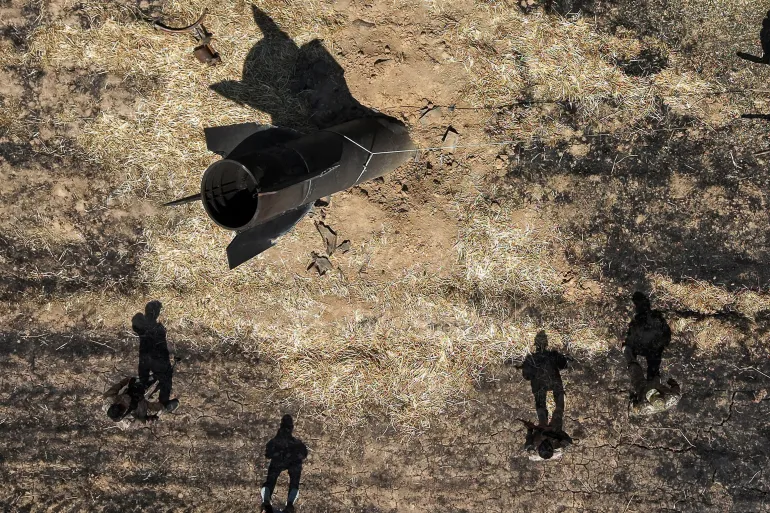
Iran launched missile strikes on US bases in Jordan, with massive explosions reported from the Al-Azraq and Al-Salti bases. Muwaffaq al-Salti Air Base in Jordan also came under heavy missile attack on Sunday, according to reports. The strikes targeted facilities hosting US personnel, marking a significant escalation in regional tensions. The reported explosions from both Al-Azraq and Al-Salti bases indicated the widespread nature of the attack across multiple US-affiliated sites within Jordan. This coordinated assault raised immediate concerns about the safety of military personnel and the stability of the region.
Details of Iranian Attack
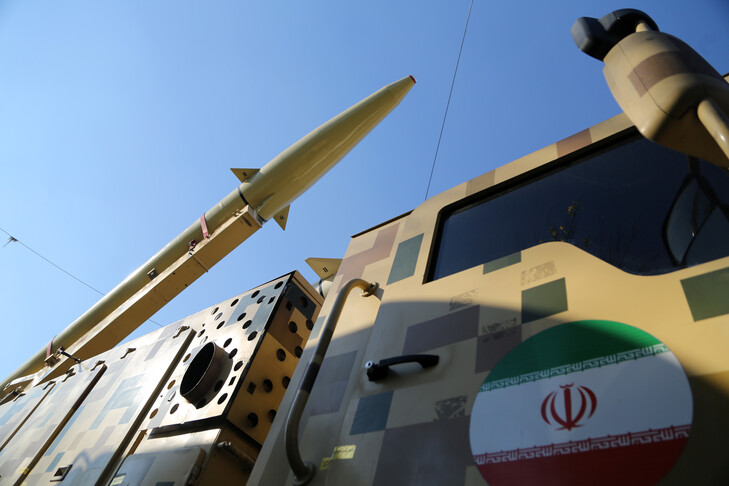
Iran's Islamic Revolution Guard Corps (IRGC) stated that it used 12 ballistic missiles in the recent strikes. The IRGC specifically targeted facilities at Al-Azraq airbase. These facilities were housing US F-35, F-15, and F-16 fighter jets, along with their control center. The use of 12 ballistic missiles, as confirmed by the IRGC, notes the considerable firepower deployed in the operation. The precision targeting of specific aircraft types, including advanced fighter jets like the F-35, F-15, and F-16, along with their key control center, suggests a deliberate attempt to degrade key operational capabilities. These strikes aimed at strategic assets show the precision claimed by the Iranian military. The use of ballistic missiles indicates a deliberate and calculated operation by the IRGC. The focus on specific aircraft types and their control center suggests an attempt to degrade operational capabilities at the base. This marks a significant development in the regional tensions involving US forces, demonstrating Iran's capability and willingness to strike at US interests.
Regional Tensions Escalate
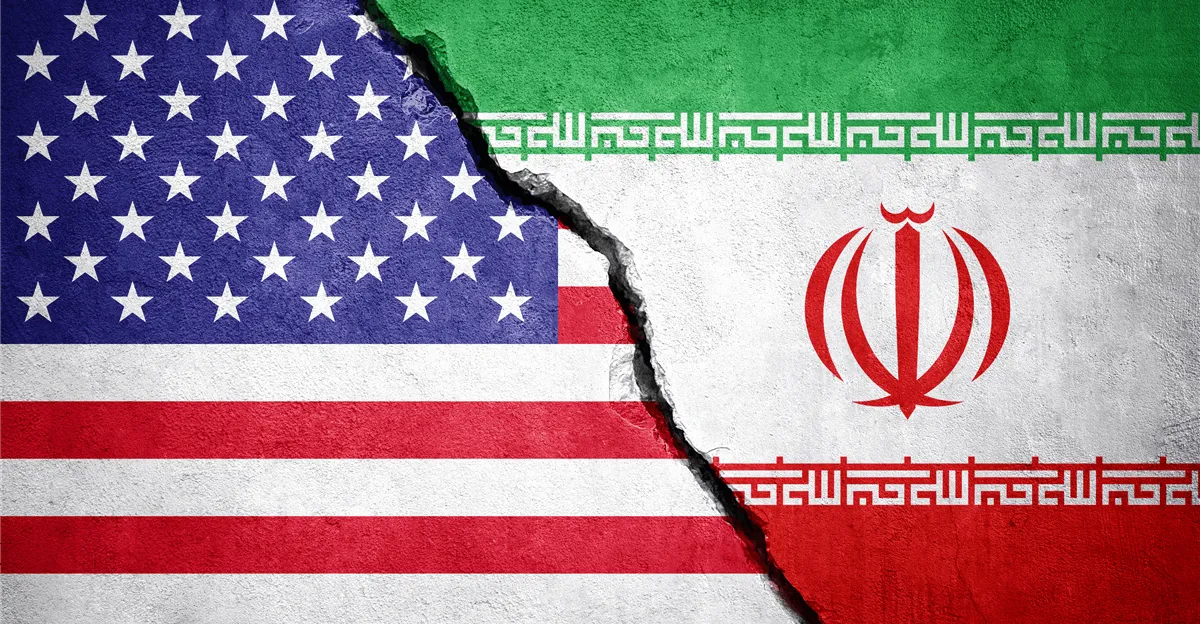
The Iranian attack on US bases in Jordan followed US 'self-defence' airstrikes at multiple locations in Iran the previous day. This sequence of events suggests a direct retaliatory action by Iran. The Iranian attack occurred a day after the US launched 'self-defence' air strikes at multiple locations in Iran, setting a dangerous precedent for tit-for-tat exchanges. Following its attack, Iran subsequently closed the Strait of Hormuz. The move to close the vital shipping lane was accompanied by a warning from Tehran that any vessel transiting the Strait of Hormuz would be targeted. This warning, issued by Iran, threatened to disrupt global oil supplies and international maritime trade, adding an economic dimension to the escalating military confrontation. The closure of the Strait of Hormuz, a critical chokepoint for global energy shipments, significantly heightened concerns about wider regional instability and its potential impact on international markets.
US and Jordanian Response
Following the missile strikes, the US State Department issued an urgent advisory for personnel in Jordan. The department instructed individuals to "seek overhead cover and shelter in place immediately," citing reports of incoming threats. The full statement warned, "Reports indicate missiles, drones, or rockets are in Jordanian airspace. Seek overhead cover and shelter in place immediately. Remain indoors and pay attention to local announcements and alerts." This alert showed the immediate danger perceived during the attack, emphasizing the need for immediate protective measures for US personnel. The US State Department's urgent advisory for personnel in Jordan reflected the seriousness of the perceived threat.
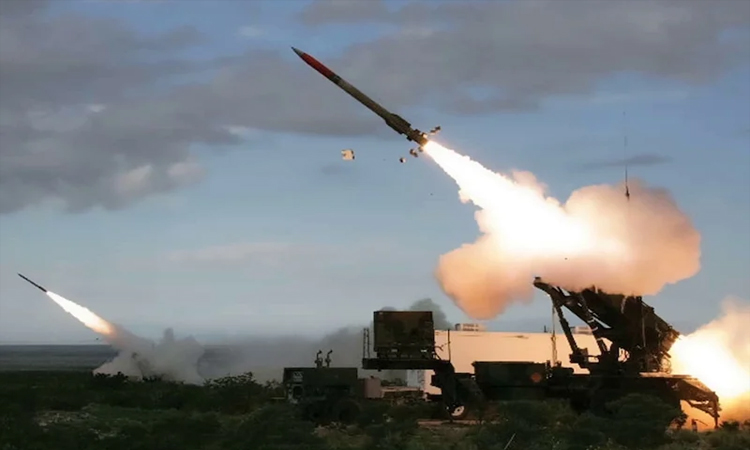
Concurrently, Jordan activated its air defence systems. These systems were deployed to intercept the Iranian missiles that had entered Jordanian airspace. The activation of air defences reflected a swift response to protect critical infrastructure and personnel within the country. Jordanian authorities moved quickly to safeguard their territory and those within it, noting the immediate and severe nature of the aerial threat. The coordinated activation of air defence systems across Jordan was a critical measure to mitigate potential damage and casualties from the incoming ballistic missiles.