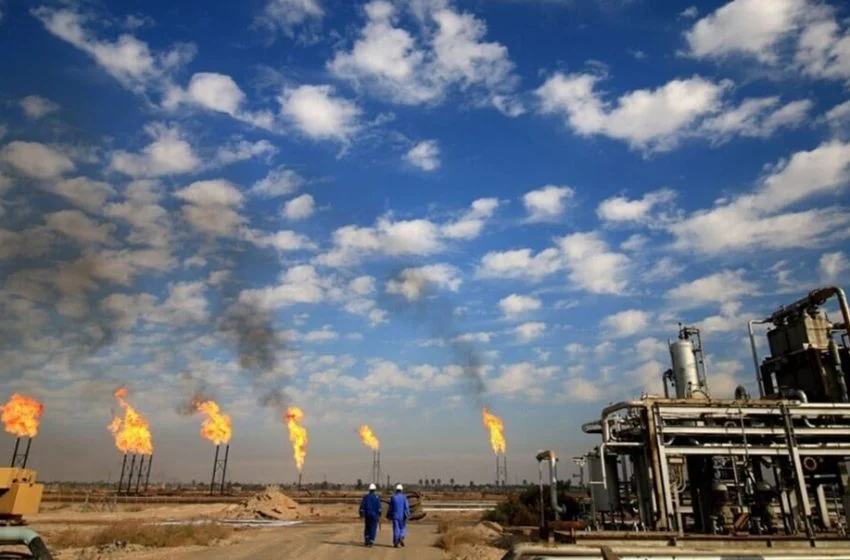
Iraq and Jordan are set to hold a new round of talks in the coming days to expedite the renewal of their annual agreement for crude oil exports. This critical dialogue aims to resolve the current suspension of Iraqi oil exports to Jordan, which has been in effect since the beginning of 2026. The last sales between the two nations occurred at the end of December 2025, marking a significant pause in the energy trade. Consequently, Amman has not purchased oil from Iraq in January 2026. This ongoing issue, which follows initial discussions between the two sides after the formation of the new government in Baghdad, is anticipated to be addressed within days, with both parties keen to find a resolution.
Obstacles to Renewal and Government Push
The non-renewal of the oil deal with Jordan has been primarily attributed to administrative procedures and some disagreements concerning the specifics of the new contract. These procedural and contractual hurdles have prevented the smooth continuation of the supply arrangement. Despite these challenges, Iraq's new government is actively promoting the utilization of all available export opportunities, viewing the resumption of sales to Jordan as a key objective in its broader economic strategy. This push shows Baghdad's commitment to maximizing its oil revenue streams and strengthening regional energy partnerships.
However, the country has also faced broader challenges regarding its oil exports, particularly from its southern ports. Exports through these key southern outlets plummeted due to a regional conflict that led to the suspension of marine traffic through the Strait of Hormuz. This disruption has significantly impacted Iraq's ability to maintain its usual export volumes from these vital maritime routes, adding another layer of complexity to its overall export strategy. The current negotiations with Jordan are therefore not only about resolving bilateral contract issues but also about navigating a challenging regional export landscape to facilitate the resumption of oil sales.
Export History and Revenue Impact
The recent suspension of oil exports to Jordan follows a period of steady supply during the final months of 2025, reflecting a consistent trade relationship prior to the current impasse. Iraq’s oil exports to Jordan during November reached 299,824 barrels, demonstrating a strong volume of trade. This figure was comparable to the 309,712 barrels exported in December 2025, just before the suspension took effect. The halt in these regular exports has resulted in a substantial loss of monthly revenues for Iraq, estimated to range between $25 million and $27 million. This financial impact shows the urgency for Baghdad to resolve the administrative and contractual disagreements and restart the flow of oil to its Hashemite neighbor.
Path Forward and Potential Restart
Both Iraqi and Jordanian officials are working towards a swift resolution, with optimism surrounding the ongoing talks. The successful conclusion of these negotiations is expected to pave the way for the resumption of oil supplies. Iraqi oil supplies to Jordan are expected to restart by the end of June, indicating a clear timeline for the anticipated resolution of the current difficulties. This restart would not only restore a vital energy supply for Jordan but also reinstate a significant revenue stream for Iraq, reinforcing bilateral economic ties.