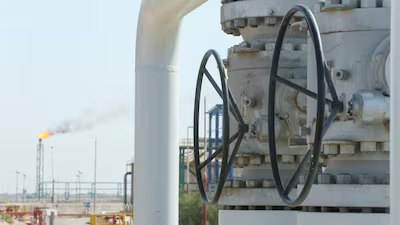
Iraq and Jordan are restarting plans for a 1,600km oil pipeline connecting Basra to Aqaba, a project that had been dormant since its approval in 2019. The revival of the pipeline project comes as Brent crude was trading around $84 per barrel on Thursday, an increase from $76. This development aims to establish a new export route for Iraqi oil. The proposed pipeline would run from Iraq's Basra region through Jordan to the port of Aqaba on the Red Sea, providing a critical new outlet for Iraqi crude exports. This strategic infrastructure project shows a broader regional effort to enhance energy security and diversify export pathways.
Pipeline Project Details
The proposed two-section pipeline is designed to carry up to 2.25 million barrels per day, with an estimated cost of $18 billion. The latest iteration of the project outlines a two-section pipeline structure. One section, spanning 700km, is intended to connect the Rumaila oilfield near Basra to the western Iraqi city of Haditha, with a capacity to carry 2.25 million barrels per day. This initial segment is key for gathering crude from Iraq's southern oil-rich regions. The second section would extend from Haditha to Aqaba, transporting one million barrels per day, thereby linking Iraq's interior to the Red Sea. This design represents a significant scaling up of previous plans, reflecting increased ambitions for export capacity.
Iraq initially approved the pipeline project in July 2019. At that time, its proposed initial capacity was set at 150,000 barrels per day. The project maintained an estimated cost of $18 billion. The original timeline anticipated the completion of the pipeline in 2017, indicating that the project has faced considerable delays and re-evaluations since its inception. The current revival suggests a renewed commitment from both nations to overcome past obstacles and push the project forward. The substantial increase in proposed capacity from 150,000 bpd to 2.25 million bpd notes a strategic shift towards maximizing export potential and securing a strong alternative route.
Historical Context and Scope
The pipeline scheme between Iraq and Jordan originated in 2013, when the two countries signed an agreement outlining the construction of an underground system. This initial design specified that the pipeline would pass through Jordan’s only refinery, located in Zarqa, near Amman. The project aimed to establish a direct route for Iraqi crude oil exports, enhancing Jordan's energy supply while providing Iraq with a new export channel. This early agreement laid the groundwork for the current ambitious plans, demonstrating a long-standing mutual interest in energy cooperation. The initial vision for the pipeline was to bolster bilateral energy ties and create a more integrated regional energy market.
In 2020, discussions surrounding the pipeline's scope expanded to include a third country. Officials from Jordan, Egypt, and Iraq convened in Cairo to explore the possibility of linking all three nations through an extension of the unfinished pipeline. This meeting marked a significant step towards regional energy integration, potentially broadening the project's impact beyond the initial bilateral agreement. The proposed expansion would connect the pipeline to Egypt, creating a more extensive network for oil transportation across the Levant and into North Africa. This trilateral discussion showed the growing recognition of the pipeline's potential to serve as a cornerstone for a wider regional energy grid.
Regional Energy Dynamics
The Strait of Hormuz crisis has prompted a regional effort to secure alternative oil export routes, contributing to Brent crude reaching $84 per barrel. This situation shows the strategic importance of diversifying energy pathways and reducing reliance on a single, potentially vulnerable, choke point. During the Iran conflict, Iraqi oil exports from its primary southern fields experienced a significant reduction, dropping by 70 per cent. This severe disruption noted Iraq's vulnerability to geopolitical tensions affecting its traditional maritime export routes. The proposed pipeline from Basra to Aqaba aims to mitigate such vulnerabilities by providing Iraq with a new export outlet that bypasses the Strait of Hormuz entirely. This initiative could offer greater stability for Iraqi oil shipments and enhance regional energy security, ensuring a more reliable flow of crude to international markets. The revival of this project reflects a proactive approach to safeguarding economic interests and maintaining energy supply resilience in a volatile geopolitical landscape.