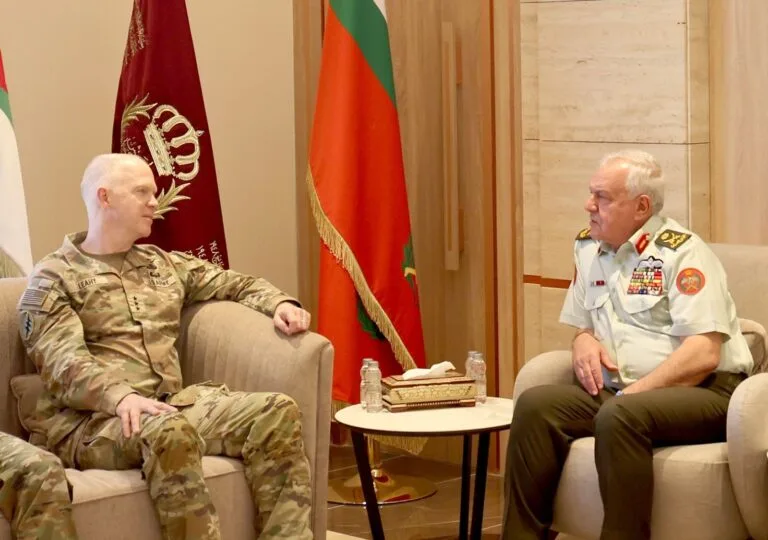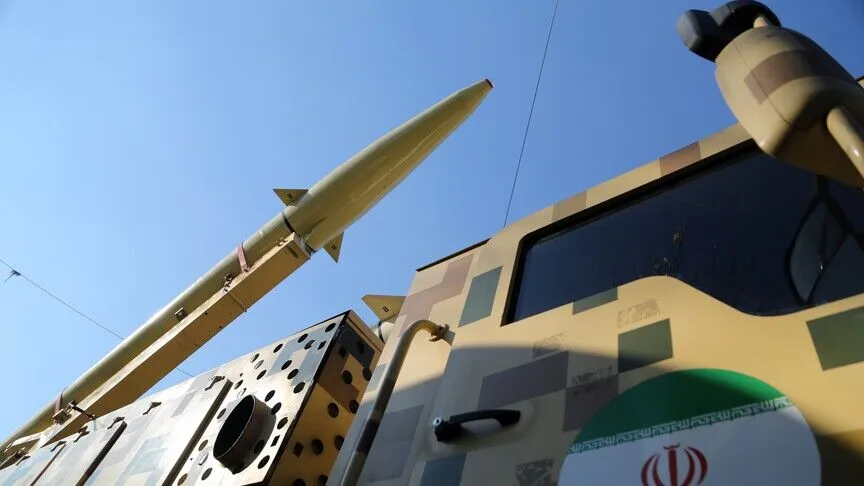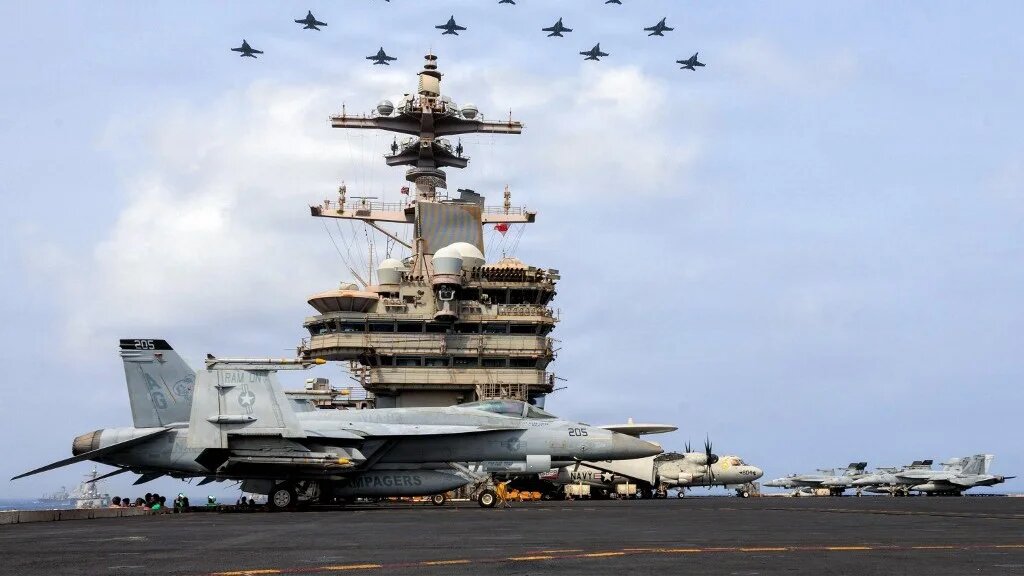
Iran's Islamic Revolutionary Guard Corps (IRGC) announced it struck a US base in Jordan, amid reports of broader regional targeting, confirming a significant escalation in the ongoing regional conflict. The IRGC explicitly stated its responsibility for the strike, marking a direct challenge to US military presence in the Middle East. Beyond the incident in Jordan, Iranian drone strikes also targeted US bases and facilities in Kuwait and Bahrain, showing a coordinated and widespread offensive. These incidents follow US President Donald Trump's formal notification to Congress last week, indicating that the United States had officially resumed the conflict. This notification granted the Pentagon an additional 60 days to operate in the region without requiring further congressional approval, a move that has been interpreted as a green light for more aggressive military actions. The IRGC's statement, detailing its involvement in these attacks, indicates a direct and forceful response to the escalating tensions and perceived provocations in the area, signaling a dangerous new phase in the regional standoff.
Iranian Retaliation and Targets
The Islamic Revolutionary Guard Corps (IRGC) asserted that its attack in Jordan served as direct retaliation for a strike originating from the targeted US base. According to the IRGC, the original strike reportedly impacted "the vicinity of a children's cancer hospital," a claim that, if verified, would significantly heighten the humanitarian concerns surrounding the conflict. In its operations targeting the US military presence in Jordan, Iran specifically aimed for "communication systems and fuel storage facilities of the US military." These specific targets suggest an intent to degrade logistical and operational capabilities. Separately, Iranian forces also directed their attacks toward critical infrastructure at Ali Al Salem Air Base in Kuwait, targeting "radar systems, a Patriot air defence system, and fuel storage facilities." The inclusion of a Patriot air defence system among the targets indicates an effort to neutralize key defensive assets, potentially paving the way for future, more sophisticated attacks or to demonstrate the IRGC's capacity to penetrate advanced air defence networks.
An Iranian military spokesman issued a stern warning, stating unequivocally that Iran would "crush" regional infrastructure should the United States launch attacks on Iran's key facilities. This threat shows Iran's readiness to expand the conflict beyond military targets and into broader regional assets, potentially causing widespread disruption. Amid these developments, Iranian state television reported that five explosions were heard around the strategically important port city of Bandar Abbas on Tuesday. While the source and exact nature of these explosions were not immediately specified, the report added to the atmosphere of heightened alert and implied potential internal or external military activity within Iran's borders. The port of Bandar Abbas is a vital economic and military hub, and any activity there would be closely watched by international observers.
US Military Operations and Threats
In response to the escalating situation and the Iranian strikes, US forces conducted extensive operations. On Wednesday, the US military carried out seven hours of raids, targeting dozens of sites across the region. These raids signify a strong and immediate counter-response to the Iranian actions, aiming to degrade the capabilities of those responsible for the attacks on US installations. The wide scope and duration of these operations suggest a full effort to reassert military dominance and deter further aggression.
In a significant development reflecting the direct military engagement, the Iranian army reported that seven of its personnel were killed in a missile strike at a barracks situated near the southeastern city of Iranshahr. This incident marks a direct military engagement with casualties reported by Tehran, confirming the deadly nature of the ongoing hostilities and noting the human cost of the conflict. The loss of life on the Iranian side is likely to further fuel calls for retaliation and intensify the cycle of violence.
Adding another layer of severity to the conflict, US President Donald Trump has issued a threat to destroy Pickaxe Mountain, which he described as a deeply buried nuclear site. The site is located near Natanz, an area already known for its sensitive nuclear facilities and a focal point of international concern regarding Iran's nuclear program. Such a threat, targeting a potential nuclear site, indicates a potential broadening of targets beyond conventional military infrastructure in the ongoing regional tensions, raising concerns about the potential for a catastrophic escalation. The implications of attacking such a facility would be broad, both militarily and environmentally, and would represent a significant shift in the nature of the conflict.
Strait of Hormuz and Diplomatic Efforts
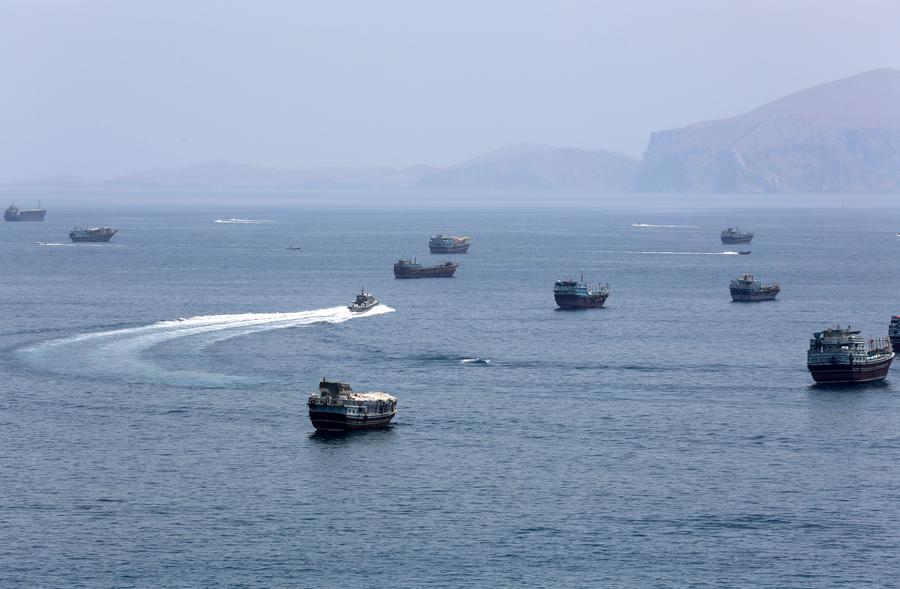
The strategic importance of the Strait of Hormuz has also been brought to the forefront of the escalating tensions. US President Donald Trump stated on Tuesday afternoon that he would reinstate a recently lifted blockade on Iranian shipping in the Gulf. This move would severely impact Iran's ability to export oil and other goods, a critical blow to its economy. Trump affirmed that the Strait of Hormuz, a key global oil chokepoint, would remain open "with or without Iran," signaling the US's intent to ensure freedom of navigation regardless of Iranian objections. He further indicated that the US would begin charging fees on vessels transiting the waterway. Specifically, a 20 percent fee would be levied "for any and all costs necessary" to provide security and safety for ships navigating the Strait. This proposed fee would effectively impose a tariff on international shipping through the vital passage, potentially impacting global energy markets.
In response to these developments and the perceived threats to its sovereignty and economic lifelines, Ebrahim Azizi, the head of the Iranian parliament’s National Security Committee, announced on X that a bill titled "Strategic Action for the Security and Sustainable Progress of the Strait of Hormuz and the Persian Gulf" was formally introduced in Iran’s Parliament. This legislative effort shows Iran's determination to formalize its control and influence over the waterway. Azizi showed that Tehran remains "steadfast in defending our red lines," particularly regarding the management and security of the waterway, reaffirming Iran's resolve to protect its interests in the face of international pressure and US actions.
Amidst the military and economic posturing, diplomatic efforts are underway to de-escalate the situation. Pakistan stated on Wednesday that it would encourage the US and Iran to end hostilities and resume talks. Tahir Andrabi, Pakistan's foreign office spokesman, told reporters in Islamabad, "While the implementation of the MoU is facing challenges, Pakistan will continue to encourage all sides to end violence and resume technical-level talks in accordance with the MoU." This statement notes Pakistan's role as a mediator. Pakistan had previously helped mediate a memorandum of understanding (MoU) between the parties last month, indicating a prior commitment to finding a peaceful resolution. The current focus is on getting both sides back to the negotiating table to prevent further military escalation.
Bahrain's Response and International Law
The regional impact of the Iranian strikes was particularly felt in Bahrain, where Iran targeted US military facilities at the Sheikh Isa Air Base. Bahrain's military announced its air defence systems "confronted, intercepted and destroyed" multiple Iranian aerial attacks on Thursday, successfully mitigating the threat to its territory and military assets. This defensive action demonstrates the readiness and capability of Bahraini forces to protect their airspace.
Following the attacks, the Kingdom of Bahrain unequivocally denounced Iran's "systematic hostile approach" to its territory. This strong condemnation notes Bahrain's perception of Iran's actions as part of a broader, aggressive strategy. Bahrain's General Command further emphasized that the deliberate use of missiles and drones to target civilians and private property constitutes a flagrant violation of international humanitarian law. This assertion points to the severe legal and ethical implications of such attacks, especially if non-military targets were indeed threatened. The General Command added that such actions are an affront to global legal norms, reinforcing the international community's responsibility to uphold established laws of armed conflict and protect civilian populations. The repeated targeting of facilities in multiple countries, coupled with Bahrain's strong denouncement, shows the widespread regional instability fueled by the current conflict.