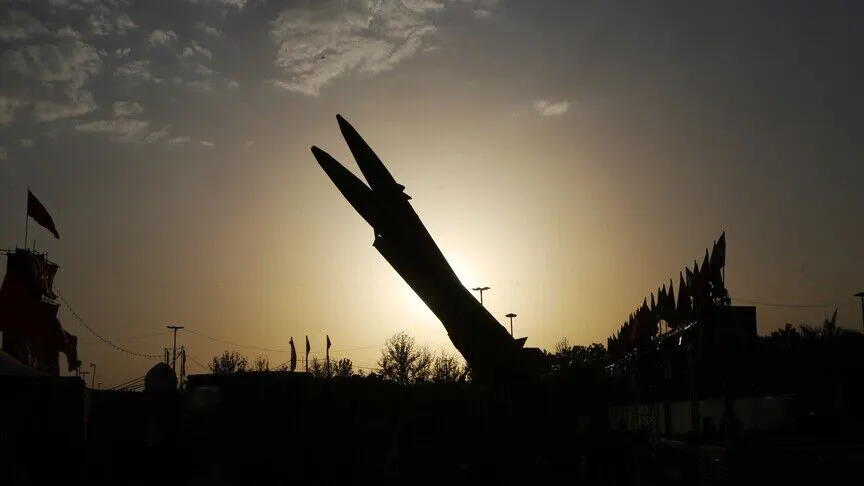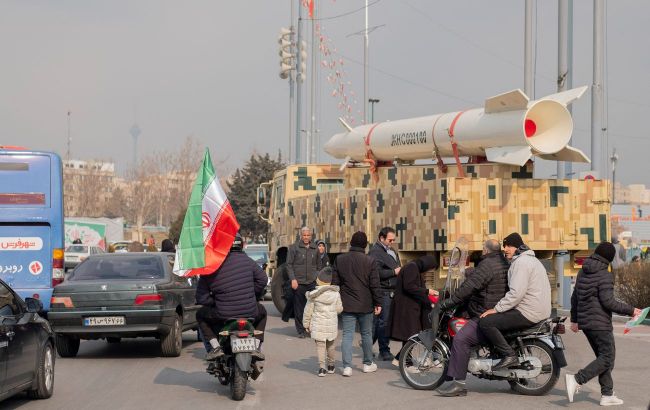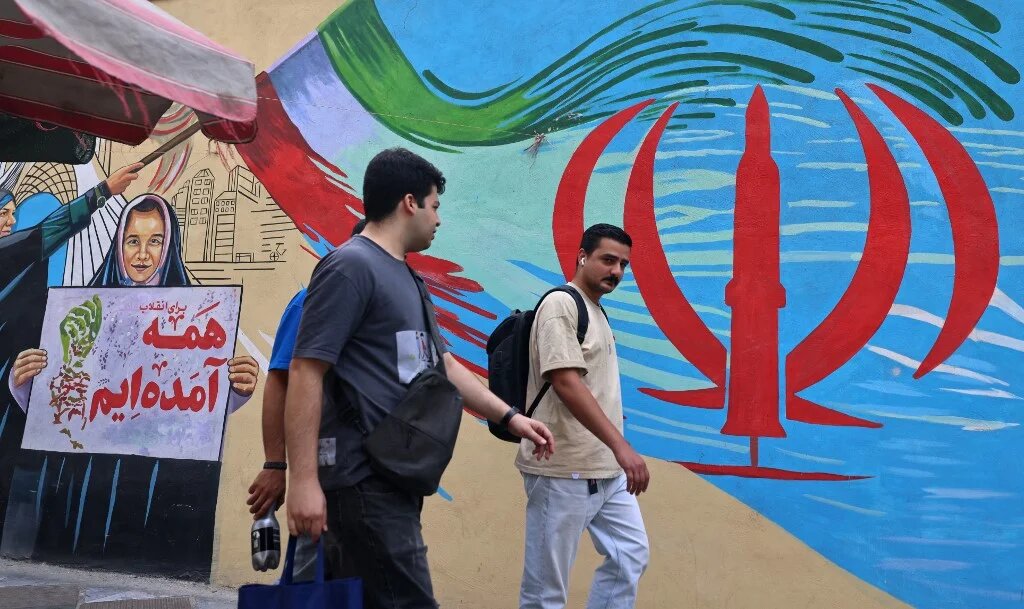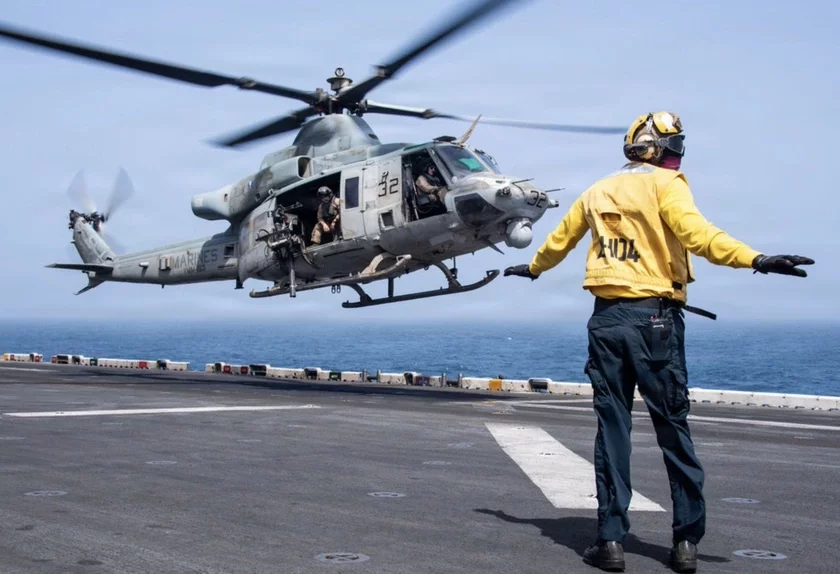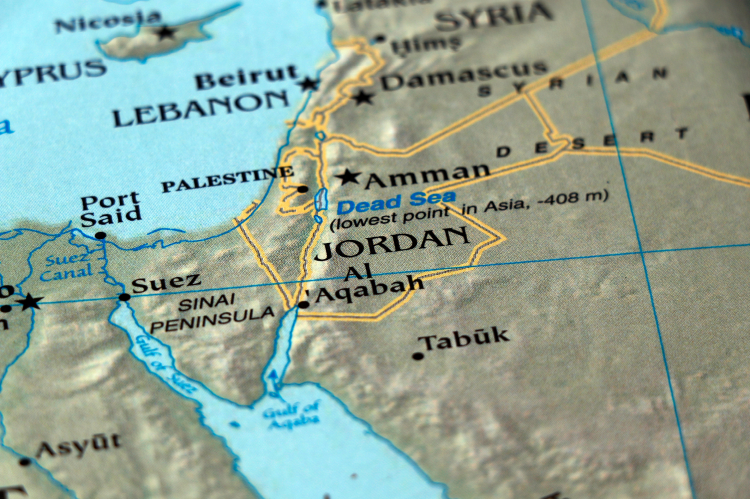
Explosions were observed over the southern Jordanian city of Aqaba late Tuesday after Tehran reportedly fired missiles and drones. Iran stated these actions were in retaliation for U.S. Strikes. The blasts occurred as the broader conflict in the Middle East has continued for more than six months, marking a significant escalation in regional tensions. The U.S. Military had previously hit targets in Iran earlier on Tuesday, prompting the retaliatory response from Tehran.
U.S. Strikes Target Iran
The U.S. Strikes that occurred on Tuesday followed previous military actions on Sunday, which had marked the end of a month-long period without such engagements. These earlier strikes had already signaled a renewed period of military activity in the region. One U.S. Strike hit a home hosting a wedding, resulting in the deaths of two people and dozens wounded, according to local officials. This strike specifically targeted a home where a wedding ceremony was underway in Kuhestak, located in southern Iran. Ahmad Nafisi, Hormozgan Province’s deputy governor, confirmed that the strike in Kuhestak killed two individuals and injured at least 50 others. However, Red Crescent rescue officials in the province later stated that the death toll from the incident had risen to four, including one child, showing the severe human cost of the military actions.
The U.S. Central Command issued a statement regarding the rationale behind these operations. According to U.S. Central Command, the latest strikes were in response to Tehran trying to attack commercial ships and American forces in the Middle East. This explanation notes the U.S. Perspective that its military actions are defensive, aimed at neutralizing perceived threats to its assets and international shipping lanes. The strikes were part of a broader effort to deter Iranian aggression and protect strategic interests in the volatile region.
Explosions were reported across multiple southern Iranian coastal areas following the strikes. These locations included the port city of Bandar Abbas and Qeshm Island, which is situated in the Strait of Hormuz. Witnesses in Bandar Abbas informed The Associated Press that the intensity of these explosions surpassed those experienced on Sunday, indicating a heightened level of force in the Tuesday strikes. Iran's state television also reported that the U.S. Military had struck the civilian Jiroft Airport in Kerman province, located in central Iran. At Jiroft Airport, a projectile struck an area outside the runway, but the incident caused no casualties or damage to the airport's infrastructure, suggesting either a precision strike or an intentional targeting of an area designed to avoid significant civilian harm. Despite the lack of infrastructure damage, the targeting of a civilian airport showed the expansive nature of the U.S. Operations within Iranian territory.
Escalation and Strait of Hormuz
Iran's military issued a warning of "crushing and devastating blows" against the United States following the recent strikes. The statement came from Iran's Armed Forces General Staff and its joint military command, indicating a heightened state of alert and a strong rhetorical stance from Tehran. This declaration suggests a potential for further escalation in the ongoing tensions between the two nations, raising concerns about the stability of the entire region. The warning served as a clear message from Iran that it would not tolerate continued attacks on its soil without a strong response, setting the stage for a potentially dangerous cycle of retaliation.
Iran's paramilitary Revolutionary Guard also released a statement, asserting that the recent attacks have only strengthened the Islamic Republic’s resolve. The Revolutionary Guard further warned that the incidents had tightened Iran’s effective closure of the Strait of Hormuz. This claim shows the strategic importance of the waterway to Iran and its willingness to exert control over maritime traffic in the region. The Strait of Hormuz, a key choke point for global oil shipments, has been a recurring flashpoint in regional geopolitical disputes, with Iran frequently asserting its ability to disrupt traffic through the vital passage. The Revolutionary Guard's statement reinforced Iran's long-standing position on the Strait, emphasizing its perceived right to control the waterway in times of conflict.
Both the United States and Iran have expressed intentions to assert control over the Strait of Hormuz, reflecting its significant strategic value. The strait connects the Persian Gulf with the Arabian Sea and is a vital transit route for a substantial portion of the world's seaborne oil. Control or influence over this waterway is seen as key to regional power dynamics and global energy security. The competing claims of control contribute to the volatile nature of the region, where military maneuvers and rhetorical exchanges often accompany broader geopolitical struggles. The U.S. Maintains a significant naval presence in the area to ensure freedom of navigation, while Iran views the strait as a critical component of its national security and a tool for leverage in international relations. The ongoing dispute over the Strait's control remains a central element of the broader U.S.-Iran confrontation.
The Strait of Hormuz remained a busy maritime corridor, with commercial vessels navigating its waters. A small boat was observed sailing past cargo ships and other commercial vessels anchored in the Strait of Hormuz off Bandar Abbas, Iran, on Wednesday, August 5, 2026. This scene noted the constant flow of maritime traffic through the strait, even amidst heightened military tensions and claims of effective closure. The continued movement of shipping shows the strait's indispensable role in international trade and energy supply chains, making any disruption a matter of global concern. The visual evidence of ongoing commercial activity, despite the Revolutionary Guard's claims, illustrates the complex reality of the situation and the critical importance of the waterway to global commerce.
Presidential Reactions and Warnings
Iran stated its actions were in retaliation for U.S. Strikes. The U.S. Military had previously hit targets in Iran earlier on Tuesday, with U.S. Central Command indicating that these latest strikes were a response to Tehran's attempts to attack commercial ships and American forces in the Middle East. Separately, Iranian state media reported that the U.S. Had bombed civilian sites along Iran's southern coast and struck a civilian airport, emphasizing the civilian impact of the U.S. Operations from Tehran's perspective. These conflicting narratives highlight the deep mistrust and propaganda efforts from both sides as they seek to frame the conflict.
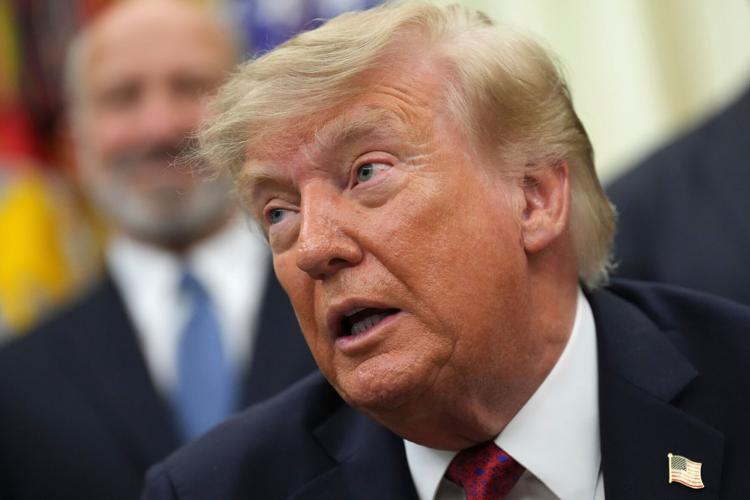
President Donald Trump addressed the situation from the Oval Office of the White House on Monday, August 31, 2026, in Washington. President Trump issued a warning to Iran regarding any further retaliation. "If the failed Nation of Iran retaliates for this very justified attack, they will be hit again at a much harder and higher level, but it will not be the biggest attack of them all, that is waiting in the wings," President Trump said. His stern words conveyed a clear message of deterrence, signaling a willingness to escalate military action if Iran continued its retaliatory measures. The President's statement also hinted at potential future actions, adding another layer of uncertainty to the already tense situation. The ongoing tensions are reflected in the physical landscape of Tehran, where cars and residential buildings damaged in a U.S.-Israeli strike on March 8 remained in ruins on Thursday, August 27, 2026. These visible scars serve as a stark reminder of past conflicts and the tangible consequences of military engagements, even months after they occur.
Economic and Geopolitical Impact
Tehran effectively closed the Strait of Hormuz after the war began, impacting global energy markets. The Strait of Hormuz is a critical maritime passage through which 20% of the world’s oil normally flows. This disruption has contributed to significant shifts in energy prices. Crude oil prices have jumped more than 50% this year, reflecting heightened geopolitical tensions and supply concerns related to the strait's closure. The closure of such a vital artery for global energy supplies has immediate and broad economic consequences, affecting not only oil-importing nations but also the broader global economy. The substantial increase in oil prices demonstrates the market's sensitivity to disruptions in this key waterway, noting its irreplaceable role in international trade.
The impact of these developments has been felt by consumers worldwide. The cost for a gallon of regular gasoline in the U.S. Ticked higher overnight to $4.10. This current price represents a notable increase compared to the previous year. Last year at this time, a gallon of regular gasoline cost $3.19, illustrating the economic ramifications of the ongoing conflict and its effects on global energy supplies. The rise in gasoline prices directly translates into increased costs for transportation, goods, and services, putting additional pressure on household budgets and potentially contributing to inflationary trends. The economic ripple effects of the Strait of Hormuz's closure and the broader conflict show the interconnectedness of global energy markets and geopolitical stability. The sustained disruption of such a critical trade route has the potential to trigger a broader economic downturn, further complicating the international response to the escalating tensions.