The United States initiated a new series of strikes on southern Iran, prompting a swift response from Tehran. This action by the US military marks a significant escalation in the already fraught regional landscape. The Iranian Red Crescent reported that four individuals, including a child, died in one of these US strikes, showing the tragic human cost of the ongoing conflict. In retaliation, Iran announced the launch of missiles and drones targeting American military bases situated within the region, signaling a direct and forceful countermeasure. This rapid exchange of military actions has intensified concerns about broader destabilization in the Middle East.
Details of the Attacks and Retaliation
The US strikes targeted locations in southern Iran. Fragments of an American missile impacted a residential building in the city of Sirik, located in the south of the country, causing significant damage and loss of life. The incident occurred under particularly tragic circumstances: at the time of the strike, a wedding celebration was underway within the residential building. This joyous occasion was abruptly shattered by the impact, leading to immediate fatalities. Four people died in the incident, including a child, a detail that has been widely reported and condemned. The Iranian Red Crescent had previously reported these fatalities, noting the immediate humanitarian impact of the US military operation.
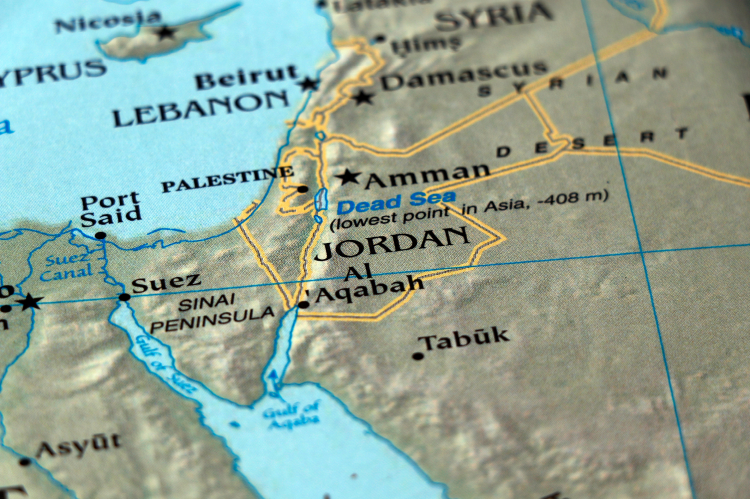
In response to these US actions, Iranian media reported that the country had initiated the launch of missiles and drones targeting American military bases situated in Iraq and Jordan. This retaliatory measure by Tehran indicates a willingness to directly challenge US military presence in the region. The launch of these projectiles towards identified American installations shows the volatile nature of the current situation and the potential for a widening conflict. The specific targets in Iraq and Jordan suggest a strategic response aimed at US assets within the broader Middle East.
US Justification and Iranian Response
The US Central Command reported that the new strikes were a response to attempts by the Islamic Revolutionary Guard Corps to attack merchant vessels in the Strait of Hormuz and American servicemen in the region. This justification points to a perceived need to protect commercial shipping lanes and US personnel from Iranian aggression. Donald Trump, a prominent figure in American political discourse, wrote on Truth Social that the American strikes were specifically a response to Iran's attempts to lay new mines in the Strait of Hormuz. Mr. Trump's statement elaborated on the perceived threats posed by Iran, further claiming Iran had launched eight missiles at a US base in Jordan. According to the US leader, both Iranian operations ultimately ended in failure, suggesting that the US actions were a successful deterrent or counter-offensive. He commented that any American response should be "significantly more powerful and at a higher level," advocating for a strong and decisive military posture against Tehran.
In response to the US actions and the subsequent claims, the Islamic Revolutionary Guard Corps issued a statement. The Corps declared that "Washington would regret the attack," signaling a potential for further escalation in the region and warning of severe consequences for the United States. This statement from a key Iranian military organization reflects Tehran's defiant stance and its readiness to engage in continued confrontation. The rhetoric from both sides suggests a dangerous cycle of action and reaction, with each party asserting its resolve and capabilities. The implications of such declarations for regional stability are profound, raising fears of a broader conflict.
Trump's Warning and Broader Context
Donald Trump threatened even more powerful strikes should Tehran launch further attacks, showing the potential for a significant military escalation. He warned that in the event of a new response from Tehran, the US would launch additional strikes on Iran, stating these would be "significantly more powerful and at a higher level." This explicit warning from Mr. Trump indicates a policy of disproportionate response, aiming to deter future Iranian actions through the threat of overwhelming force. The former president's comments highlight a hawkish approach to dealing with Iranian provocations, suggesting that the current US administration might adopt a similar stance or face political pressure to do so.
This recent engagement marks the second exchange of strikes between the United States and Iran within a few days, indicating a rapid escalation of regional tensions. The frequency of these military encounters points to a severely deteriorating security situation, where direct confrontations are becoming more common. Mr. Trump's comments on the potential for further US military action underline a broader context of heightened confrontation, suggesting that the current incidents are not isolated but part of an ongoing, dangerous trajectory. The repeated exchanges of fire between the two nations show the fragility of peace in the Middle East and the urgent need for de-escalation, even as both sides appear to be hardening their positions. The international community watches with growing apprehension as the US and Iran continue to engage in a perilous cycle of military actions and threats.