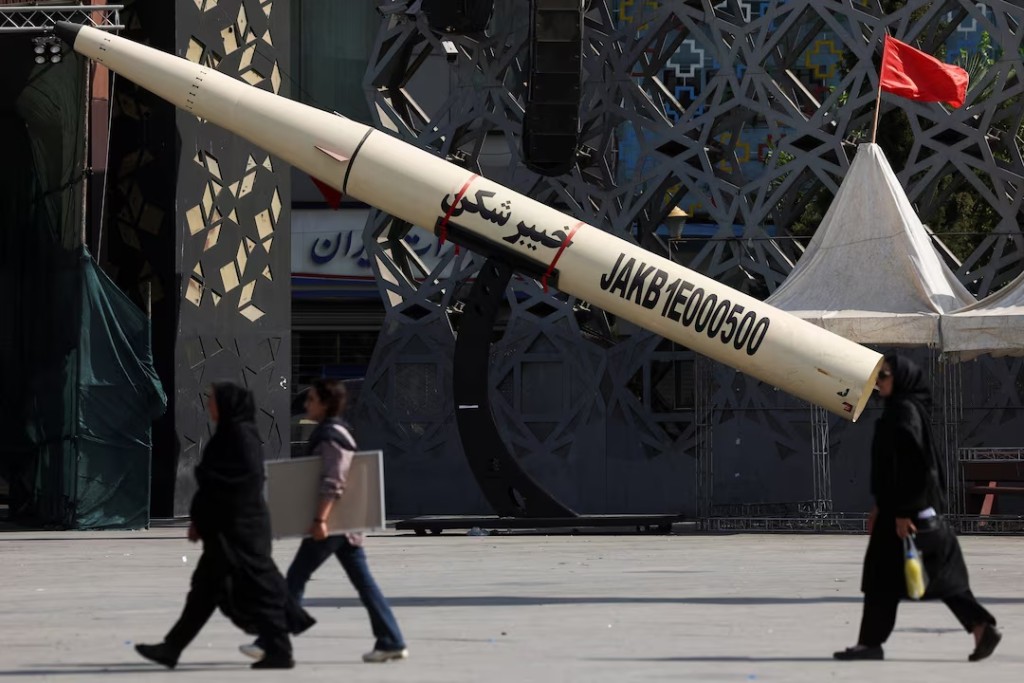
Iran's Islamic Revolutionary Guard Corps claimed on Tuesday that it targeted a U.S. Air base in Jordan with ballistic missiles. The assertion comes as the United States conducted its third consecutive night of strikes against Iran, with attacks spanning five hours. The escalating tensions follow a series of U.S. Military actions in the region, marking a significant escalation in regional hostilities.
Escalating U.S. Strikes
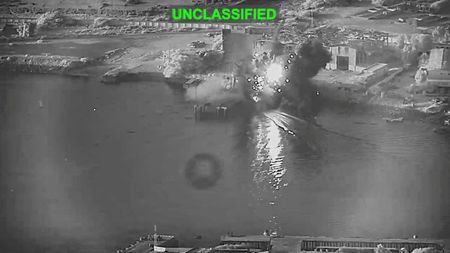
U.S. Forces completed their latest wave of strikes on Iran, which U.S. Central Command began earlier in the day at the direction of President Donald Trump. These operations constituted the third consecutive night of attacks against Iran, demonstrating a sustained military response. The strikes, which encompassed a period of five hours, were part of a broader strategy. Mr. Trump stated on the 'Hugh Hewitt Show' on Monday that Iran would be hit "very hard tonight, and we're going to hit them hard tomorrow." This followed earlier military actions in the region, indicating a pattern of increasing confrontation. The sustained nature of these military operations shows the U.S. Commitment to its stated objectives in the region, which have been met with strong condemnation from Tehran.
The United States and Israel attacked Iran on February 28, initiating a cycle of retaliatory actions. Following these initial strikes, Iran responded with its own attacks targeting Israel and Gulf states that host U.S. Bases. These exchanges have significantly heightened regional instability. Amid these tensions, the United Kingdom Maritime Trade Operations agency reported that a tanker was struck by an unknown projectile while traveling 40 nautical miles northeast of Oman's Qalhat. This incident showed the risks to maritime navigation in the area. The Islamic Revolutionary Guard Corps (IRGC) claimed responsibility for disabling two "offending" supertankers in the Strait of Hormuz. According to the IRGC, these tankers had ignored repeated warnings and turned off their navigation systems, leading to their disablement. This specific claim by the IRGC notes their perceived justification for intervention in shipping activities within the critical waterway, adding another layer of complexity to the maritime security situation.
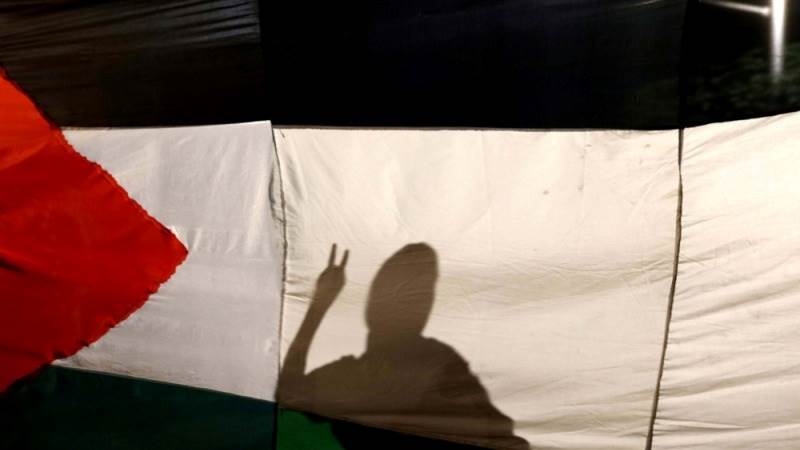
The UAE Ministry of Defense stated on Monday that Iranian cruise missiles struck two Emirati oil tankers. These vessels were transiting the southern lane of the Strait of Hormuz in Omani territorial waters at the time of the incident, noting the vulnerability of commercial shipping in the critical waterway. The IRGC, addressing the United States, asserted, "You know very well that not only do we not have any enmity with your country, but we also love you, the noble people, who understand the pain and oppression of the Palestinian people more than any other nation." This statement, despite the military actions, suggested a nuanced message from the Iranian side, attempting to differentiate between the U.S. Government and its populace.
Strait of Hormuz Dispute Intensifies
Donald Trump reinstated a blockade of Iranian shipping, further intensifying tensions in the Strait of Hormuz. This move was a direct challenge to Iran's maritime activities. Mr. Trump also proposed charging a 20% fee to guard the vital waterway, a suggestion that immediately drew international attention and criticism. Iran had stated at the weekend that it was closing the Strait of Hormuz, a declaration that prompted a strong and immediate response from the U.S. President. Donald Trump asserted on Truth Social on Monday that "The Hormuz Strait is OPEN, and will remain OPEN, with or without Iran. We are reinstating THE IRANIAN BLOCKADE." His declaration showed the U.S. Commitment to maintaining freedom of navigation through the strait. He further stated on Truth Social that "The U.S.A. Will be, from this point forward, known as 'THE GUARDIAN OF THE HORmuz STRAIT', but as such, and as a matter of FAIRNESS, will be reimbursed, at the rate of 20% on all cargo shipped." This proposal laid out a clear financial demand for U.S. Protection of the shipping lane, framing the U.S. Role as a paid protector rather than a neutral guarantor of passage.
Iran's top joint military command stated the U.S. Had no role in determining the future of the waterway, firmly rejecting Trump's assertions of guardianship and control. Iranian Foreign Minister Abbas Araqchi wrote on X that Tehran was the guardian of the strait and would remain so "forever", directly responding to Trump by adding: "20% is of course too much. We will be fair." This exchange noted the deep disagreement over sovereignty and control of the strait. Before the conflict began in February, approximately a fifth of the world's oil and gas traffic passed through Hormuz daily, delivering more than 15 million barrels of fuel to global markets worth at least $1.2 billion. This volume of traffic shows the immense economic significance of the strait. If the U.S. Were to impose a 20% fee, it could generate around $240 million a day based on pre-conflict traffic levels, representing a substantial revenue stream. The U.N. Shipping agency opposes any fees for straits used in international navigation and stresses there is no legal basis for introducing mandatory tolls on strait transits, thereby challenging the legality of Trump's proposal. The U.S. Navy-led Joint Maritime Information Center announced that a blockade of Iran would take effect at 2000 GMT on Tuesday and apply to all vessel traffic regardless of flag, covering the entire Iranian coastline including ports and oil terminals. This full blockade aimed to significantly disrupt Iranian maritime trade and access, potentially crippling its oil exports.
Broader Conflict and Ramifications
Jordan's armed forces announced on Tuesday that they intercepted and shot down four missiles originating from Iranian territory after they entered Jordanian airspace. This direct engagement by Jordan's military represents a significant development, demonstrating the widening scope of the regional conflict and the increasing risk of spillover. The interception marks a direct engagement with projectiles launched during the ongoing regional tensions, showing the severity of the situation. Concurrently, Iranian media outlets reported strikes on several cities within Iran, noting that four individuals sustained injuries as a result of these incidents. These reports confirm that the conflict is not confined to military targets but is also impacting civilian areas within Iran, raising concerns about the safety of non-combatants.
Amidst these developments, global oil prices experienced a significant increase, rising by nearly 3% on Tuesday. This surge pushed prices to their highest level in four weeks, reflecting market concerns over the escalating situation in the Middle East and the potential disruption to oil supplies through the Strait of Hormuz. The broader conflict has seen substantial human cost, with U.S.-Israeli strikes on Iran and Israeli attacks on Lebanon leading to thousands of fatalities and the displacement of millions of people. This tragic toll shows the severe humanitarian impact of the ongoing hostilities across the region, painting a grim picture of the conflict's broad consequences. The escalation of military actions, coupled with the rhetoric surrounding the Strait of Hormuz, points to a deeply volatile and rapidly evolving situation in the Middle East, with broad implications for international relations and global markets.