Iran's military forces claimed new drone strikes on Friday against U.S. Military facilities located in Bahrain, Jordan, and Kuwait, marking a significant escalation in regional tensions. Bahrain's interior ministry confirmed air raid sirens were sounding across the country on Friday, indicating potential aerial threats. These claimed attacks followed an overnight U.S. Strike in Iran's southwestern province of Khuzestan, which Iranian state media reported Friday resulted in at least four fatalities and several injuries, further fueling the cycle of retaliation. The U.S. Military operations and subsequent Iranian responses highlight a rapidly evolving and dangerous situation in the Middle East.
Retaliation and Counter-Strikes
Iran's military announced on Friday it had conducted drone strikes against several American military facilities and bases across Bahrain, Jordan, and Kuwait. The strikes were explicitly described as retaliation for recent U.S. Attacks, framing them as a direct response to perceived aggressions. The Iranian army specifically claimed drone attacks against Jordan, targeting "aircraft hangars, aviation maintenance hangars and a barracks" at Al-Azraq base. This detailed targeting information suggests a level of planning and intent behind the Iranian operations. According to the Iranian army, "This morning, the fuel tanks, large equipment warehouses and silos and the barracks of the U.S. Terrorist army forces at the Isa Air Base in Bahrain were targeted by Arash kamikaze drones." The use of "Arash kamikaze drones" indicates the type of weaponry deployed in these alleged attacks, suggesting a specific and potentially destructive capability.
Iran's state broadcaster IRIB reported that U.S. Missile strikes impacted multiple Iranian locations, including Ahvaz, Bandar Abbas, Omidiyeh, Qeshm, and Andimeshk, showing the widespread nature of the U.S. Military's operations. The U.S. Military confirmed it had completed a 13th consecutive night of strikes on Iran on Thursday, demonstrating a sustained and prolonged campaign. Among these actions, the United States struck an Iranian Revolutionary Guards' (IRGC) base located in the northern province of Gilan, indicating a willingness to target key Iranian military infrastructure across different regions. This particular strike on a base in Gilan signifies a strategic decision to disrupt IRGC operations beyond traditional areas of conflict. The targeting of a base in Gilan, a province not typically associated with the immediate conflict zone, notes the expanding geographical scope of the U.S. Counter-operations.
U.S. Central Command also targeted the IRGC's Seyyed al-Shuhada naval headquarters in Zibanekar on Friday morning. This strike on a naval facility suggests an effort to degrade Iran's maritime capabilities and its ability to project power in critical waterways. U.S. Central Command stated these operations targeted Iranian drone sites, command centers, and other objectives "to further diminish the threat Iran poses to civilian mariners and commercial vessels transiting the Strait of Hormuz." This statement clarifies the strategic intent behind the U.S. Strikes: to secure vital international shipping lanes. U.S. Central Command further emphasized that the Strait of Hormuz remains "open for transit," a key assurance for global commerce amidst heightened military activity. The continuous operations against drone sites and command centers are an attempt to cripple Iran's ability to launch future attacks. These targeted operations aim to protect the free flow of commerce through one of the world's most critical maritime chokepoints, directly addressing the threats posed by Iranian actions in the region.
Escalation and Casualties
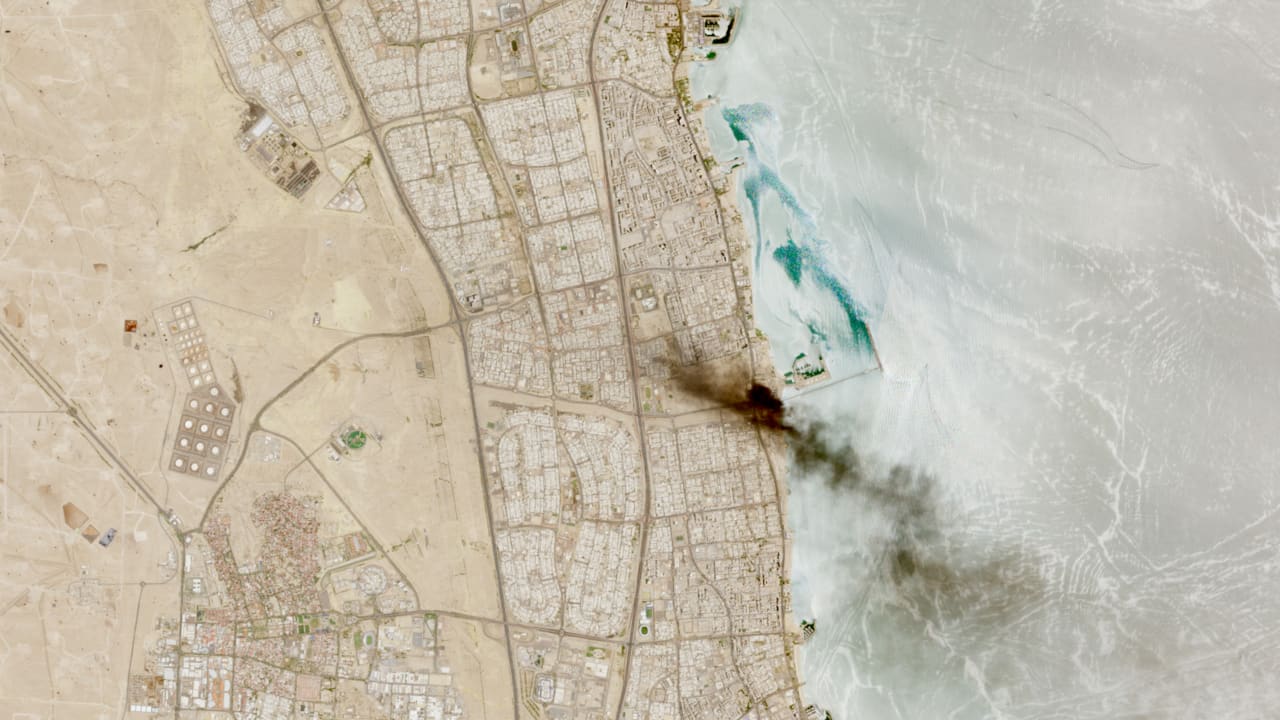
Explosions were reported near a military base in northern Iraq that hosts U.S. Forces, according to local sources, adding another flashpoint to the regional tensions. Separately, the Islamic Revolutionary Guard Corps (IRGC) asserted that it had destroyed an ammunition depot and caused casualties among U.S. Personnel at Ali Al Salem Air Base in Kuwait. These claims from the IRGC suggest a broader scope of attacks beyond those previously reported, indicating an expansion of Iranian targets and operational reach. The alleged destruction of an ammunition depot and casualties at Ali Al Salem Air Base, if confirmed, would mark a significant escalation in the conflict. The IRGC's specific claims regarding the Ali Al Salem Air Base show the direct targeting of U.S. Personnel and infrastructure, raising the stakes in the ongoing confrontation.
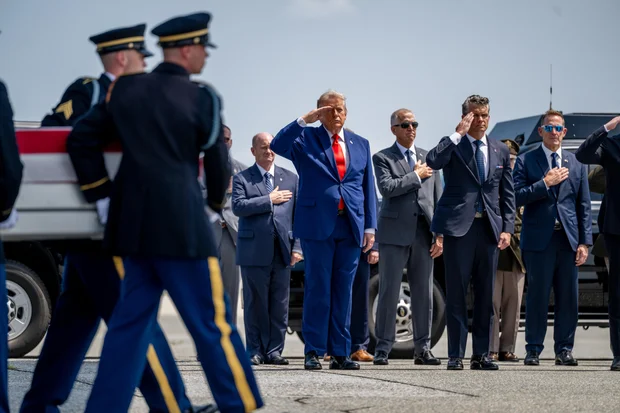
A video circulating on Friday appeared to show at least one drone being intercepted near a U.S. Base situated in northern Iraq, providing visual evidence of aerial activity in the region. This interception shows the constant threat posed by unmanned aerial vehicles and the defensive measures being employed by U.S. Forces. The incident further noted the ongoing drone threat to U.S. Installations, which require continuous vigilance and advanced air defense systems. In a significant development, U.S. Army Sgt. Michael Emmanuel Swinton was killed on Sunday at Erbil Air Base. His death occurred during a "controlled detonation" operation involving a downed Iranian attack drone, showing the hazards associated with managing unexploded ordnance from these aerial threats. The incident at Erbil Air Base marks a direct casualty resulting from the drone activity in the area, bringing a somber human cost to the conflict. The fatality notes the dangerous nature of post-engagement operations, even when dealing with downed enemy assets. The tragic loss of Sgt. Swinton emphasizes the inherent dangers faced by military personnel even after immediate threats are neutralized, as the aftermath of drone attacks can still prove fatal.
Unsustainable Pace of Warfare
The pace at which the United States is employing some of its most advanced missile interceptors and other weapons in the Middle East is reportedly unsustainable. This assessment comes as military operations in the region continue to demand significant resources, raising concerns about the long-term viability of current defense strategies. The high rate of expenditure for sophisticated weaponry is a critical point of discussion within military circles. This unsustainable pace of warfare suggests that the current level of engagement and resource consumption cannot be maintained indefinitely without significant strategic adjustments or increased production capabilities.
The depletion of defensive interceptors and long-range missiles has emerged as a significant concern for both military and civilian leaders. These dwindling stockpiles are creating a pressure point within the defense establishment, raising questions about long-term sustainability and readiness in the face of ongoing regional tensions. The continuous use of these advanced systems without adequate replenishment could impact future operational capabilities and strategic deterrence. The strain on resources is not merely financial but also logistical, involving the production and delivery of highly complex military hardware. The concern among top military and civilian leaders regarding these dwindling stockpiles reflects a broader strategic challenge in sustaining high-intensity operations.
Iran's Warnings and US Response
Iran's Islamic Revolutionary Guard Corps issued a warning to civilians in the Middle East, advising them to avoid proximity to U.S. Bases. "We warn the general public in countries where American soldiers are stationed to immediately stay out of a radius of 500 meters [yards] from the places where American soldiers are hiding, in order to be safe," the IRGC stated. This warning, disseminated publicly, suggests an intention to minimize civilian casualties while simultaneously increasing pressure on U.S. Forces and their host nations. The IRGC's explicit instruction regarding a 500-meter radius indicates a clear and direct message to the civilian population, emphasizing the potential danger zones. This public warning from the IRGC shows the perceived heightened risk to civilians in areas near U.S. Military installations, reflecting the escalating nature of the conflict.
Separately, President Trump commented on potential damages to ships, writing on Truth Social that "any and all damages" would be compensated. He added that these costs "will be paid for by Iranian Money that the United States has in its possession, and controls." This statement from President Trump addresses the economic implications of any potential attacks on maritime vessels, suggesting a mechanism for financial recourse. His assertion that Iranian funds held by the U.S. Would cover damages indicates a strong stance on financial responsibility in the context of regional aggressions. This declaration by President Trump on Truth Social provides a clear indication of the U.S. Position on accountability for any maritime damages resulting from Iranian actions.