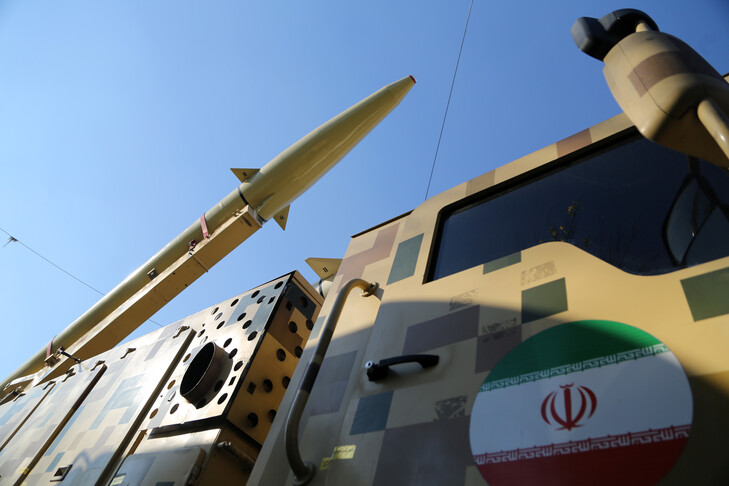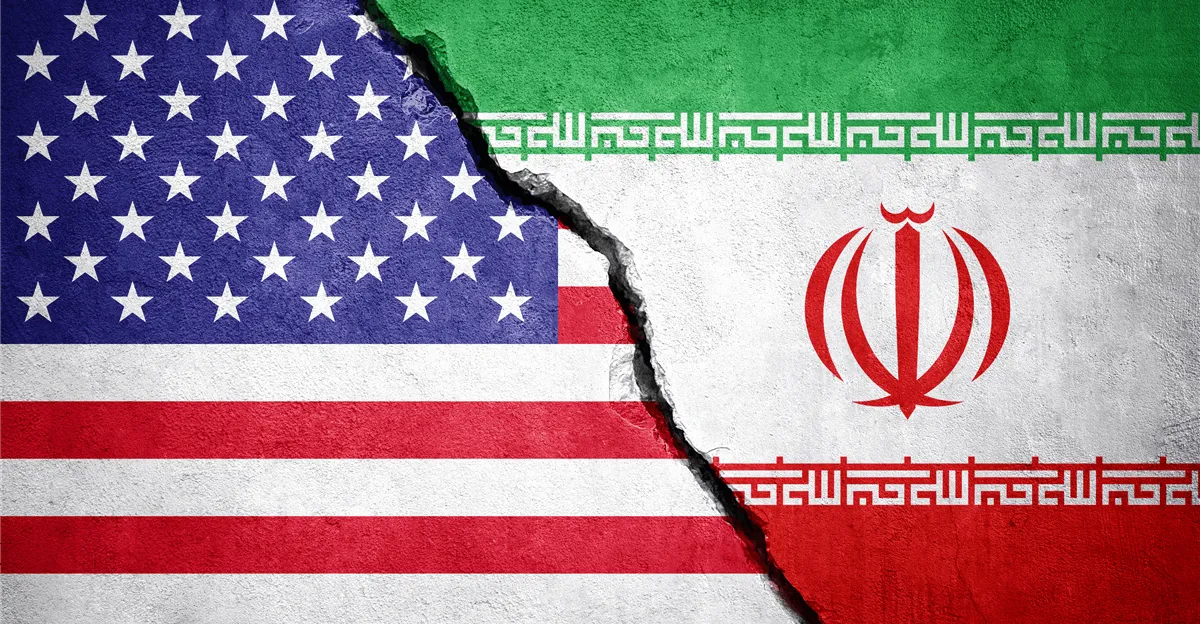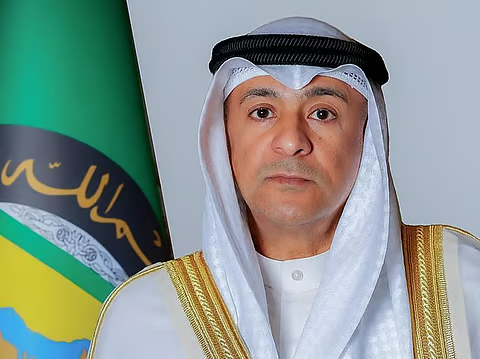
The Ministerial Council of the Gulf Cooperation Council (GCC) convened today in Manama, the capital of Bahrain, where it strongly condemned recent Iranian drone and ballistic missile attacks. The Council specifically cited attacks against the Kingdom of Bahrain, the State of Kuwait, and the Hashemite Kingdom of Jordan. The Ministerial Council of the Gulf Cooperation Council (GCC) stated the actions were "a blatant aggression against the sovereignty of states, the security of their peoples and the safety of their territories, as well as a flagrant violation of international law, the Charter of the United Nations and the principles of good neighbourliness." The statement described the attacks as a breach of international law, the United Nations Charter, and the principles of good neighbourliness.
GCC's Firm Stance and Support
The Council affirmed that such hostile acts do not foster understanding or rapprochement. "In a statement issued following a meeting held today in Manama, the capital of Bahrain, the Council said that, while following these developments with the utmost concern and condemnation, it affirms on behalf of the GCC states that such hostile acts do not serve understanding or rapprochement," the Council stated. It added that these actions instead "distance peoples from one another, undermine trust, sow discord and close the doors of dialogue that GCC states have consistently advocated." The Council also stressed that "aggression does not build relations and intimidation does not create stability."
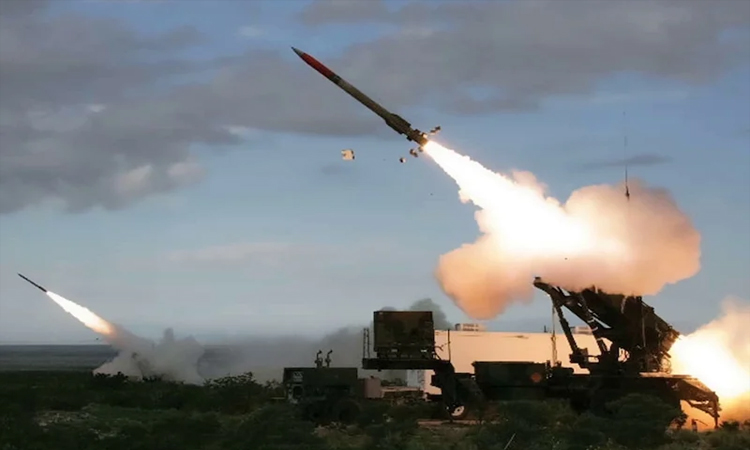
The Council expressed its full solidarity and firm support for the Kingdom of Bahrain, the State of Kuwait, and the Hashemite Kingdom of Jordan. "It expressed its full solidarity and firm support for the Kingdom of Bahrain, the State of Kuwait and the Hashemite Kingdom of Jordan, affirming that the security of GCC states is indivisible and that any attack against one member state is an attack against them all," the Council declared. It reassured citizens and residents of GCC states that joint defence capabilities and air defence systems are effectively confronting these attacks. "The Council reassured citizens and residents of GCC states that the joint defence capabilities and air defence systems are confronting these attacks with a high degree of efficiency and readiness," the Council said.
The Council called for the immediate cessation of attacks and a complete end to any targeting of GCC states, their interests, and their citizens. "It held Iran fully responsible for these acts and their serious repercussions on regional security, international navigation and energy supplies, and called for their immediate cessation and a complete end to any targeting of GCC states, their interests and their citizens," the Council stated. It reiterated the GCC states’ commitment to peace, good neighbourliness, and diplomatic solutions as preferred means for resolving disputes. "The Council reiterated the GCC states’ commitment to peace, good neighbourliness and diplomatic solutions as the preferred means of resolving disputes," the Council affirmed.
Iran Held Responsible for Repercussions
The Ministerial Council reaffirmed the legitimate right of Gulf Cooperation Council (GCC) states to defend themselves individually and collectively. The Council stated its intention to respond to the aggression through all lawful means, referencing Article 51 of the Charter of the United Nations, which guarantees the inherent right of self-defense in the event of an armed attack. The Council further called on the United Nations Security Council and the international community to assume their responsibilities by condemning this aggression and holding its perpetrators accountable, aiming to ensure respect for state sovereignty and preserve regional and international peace and security.
The Council explicitly held Iran fully responsible for these actions and their serious repercussions on regional security, international navigation, and energy supplies. The statement called for an immediate cessation of the attacks and a complete end to any targeting of GCC states, their interests, and their citizens. The Council reiterated the GCC states’ commitment to peace, good neighbourliness, and diplomatic solutions as the preferred means of resolving disputes. It posed what it described as a fundamental question to the aggressor: "How can future relations be built amid the continuation of such attacks and insistence on pursuing them?" The Council added that persisting in a path of aggression would only lead to further isolation, while the door to understanding remains open to those who choose the language of wisdom and good neighbourliness.
Call for International Action
The Council also called on the United Nations Security Council and the international community to assume their responsibilities. This includes condemning the aggression and holding its perpetrators accountable, in a manner that ensures respect for state sovereignty and preserves regional and international peace and security, according to the Council. A statement issued following a meeting today in Manama, the capital of Bahrain, noted, "while following these developments with the utmost concern and condemnation, it affirms on behalf of the GCC states that such hostile acts do not serve understanding or rapprochement. Rather, they distance peoples from one another, undermine trust, sow discord and close the doors of dialogue that GCC states have consistently advocated."
The Council stressed that "aggression does not build relations and intimidation does not create stability." It expressed its full solidarity and firm support for the Kingdom of Bahrain, the State of Kuwait, and the Hashemite Kingdom of Jordan, affirming that "the security of GCC states is indivisible and that any attack against one member state is an attack against them all." The Council reassured citizens and residents of GCC states that "the joint defence capabilities and air defence systems are confronting these attacks with a high degree of efficiency and readiness."
It reaffirmed the legitimate right of GCC states to defend themselves individually and collectively and to respond to this aggression through all lawful means, in accordance with Article 51 of the Charter of the United Nations. The Council held Iran fully responsible for these acts and their serious repercussions on regional security, international navigation, and energy supplies, calling for their immediate cessation. "The Council reiterated the GCC states’ commitment to peace, good neighbourliness and diplomatic solutions as the preferred means of resolving disputes," the statement said. It posed a fundamental question: "How can future relations be built amid the continuation of such attacks and insistence on pursuing them?" The Council added that persisting in a path of aggression would only lead to further isolation, while the door to understanding remains open to those who choose the language of wisdom and good neighbourliness.