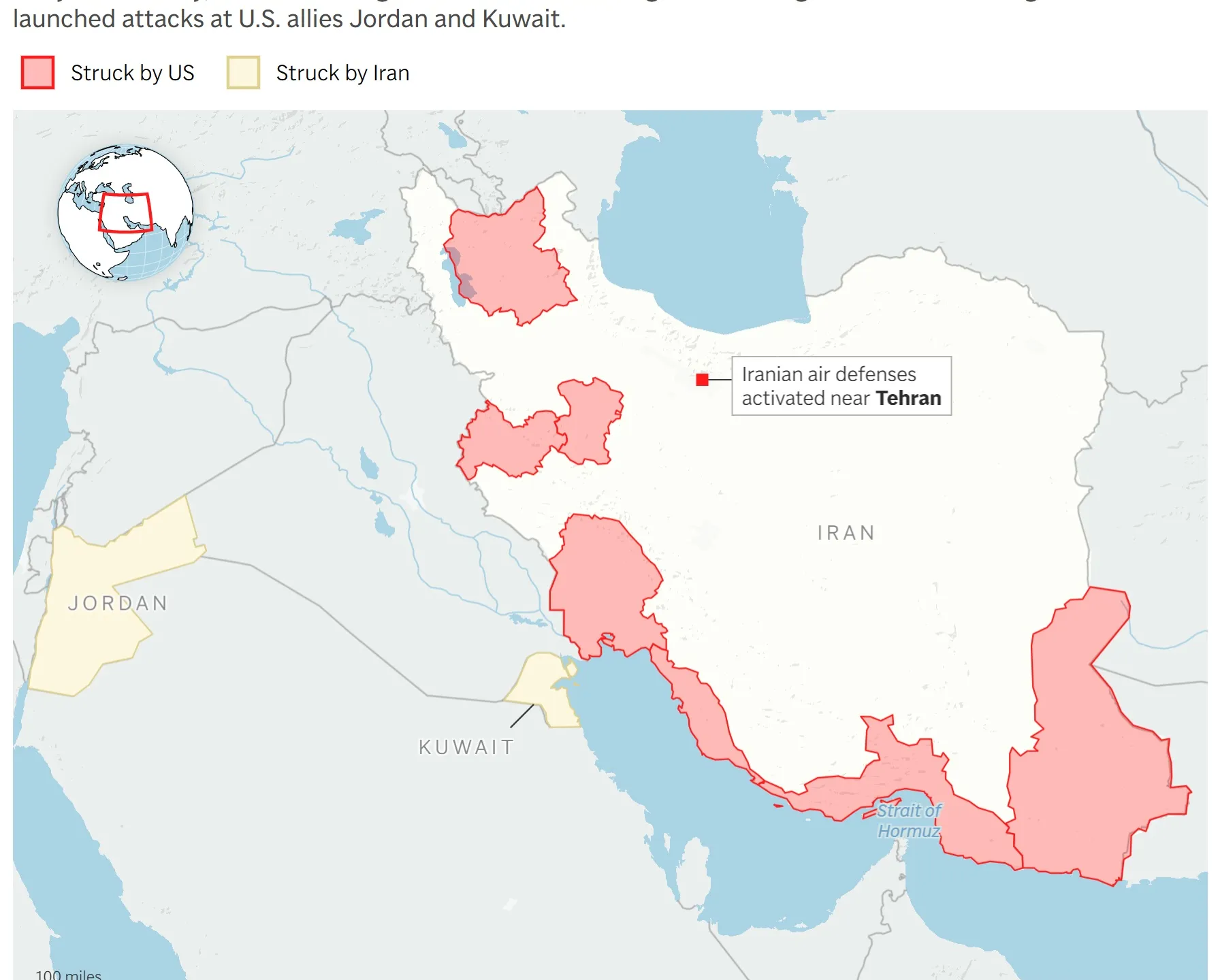
U.S. President Donald Trump warned Wednesday that the United States would retaliate against Iran by destroying one bridge or power plant for every attack on a ship in the Strait of Hormuz. Mr. Trump's explicit warning outlined a direct and severe response to any future Iranian aggression in the critical waterway. Trump issued the threat after Iranian air defenses opened fire over the capital, Tehran, earlier the same day, marking a significant escalation in tensions. "From this point forward, any time the Islamic Republic of Iran shoots at a ship in the Strait of Hormuz, whether it be by Missile, Rocket, Drone, or any other device or weapon, the United States will bomb and destroy ONE BRIDGE OR POWER PLANT," Mr. Trump stated unequivocally. This declaration shows a shift towards a more aggressive U.S. Posture in the region. The president also indicated he had "no interest in meeting" with Iranian officials, signaling a lack of immediate diplomatic avenues from the U.S. Side. Separately on Wednesday, Mr. Trump traveled to Dover Air Force Base for the arrival of the remains of four U.S. Service members, a somber reminder of the human cost of ongoing conflicts. This visit noted the gravity of the situation and the sacrifices being made by military personnel amidst the escalating regional instability.
Escalating Military Actions
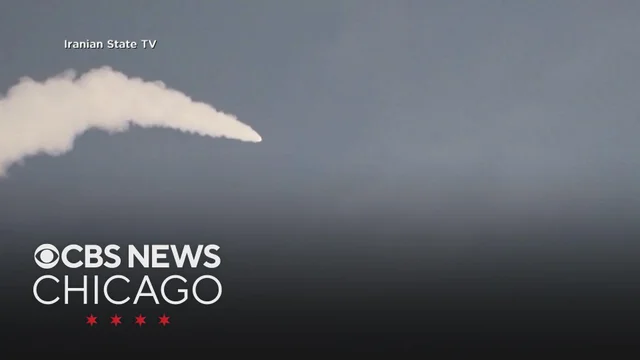
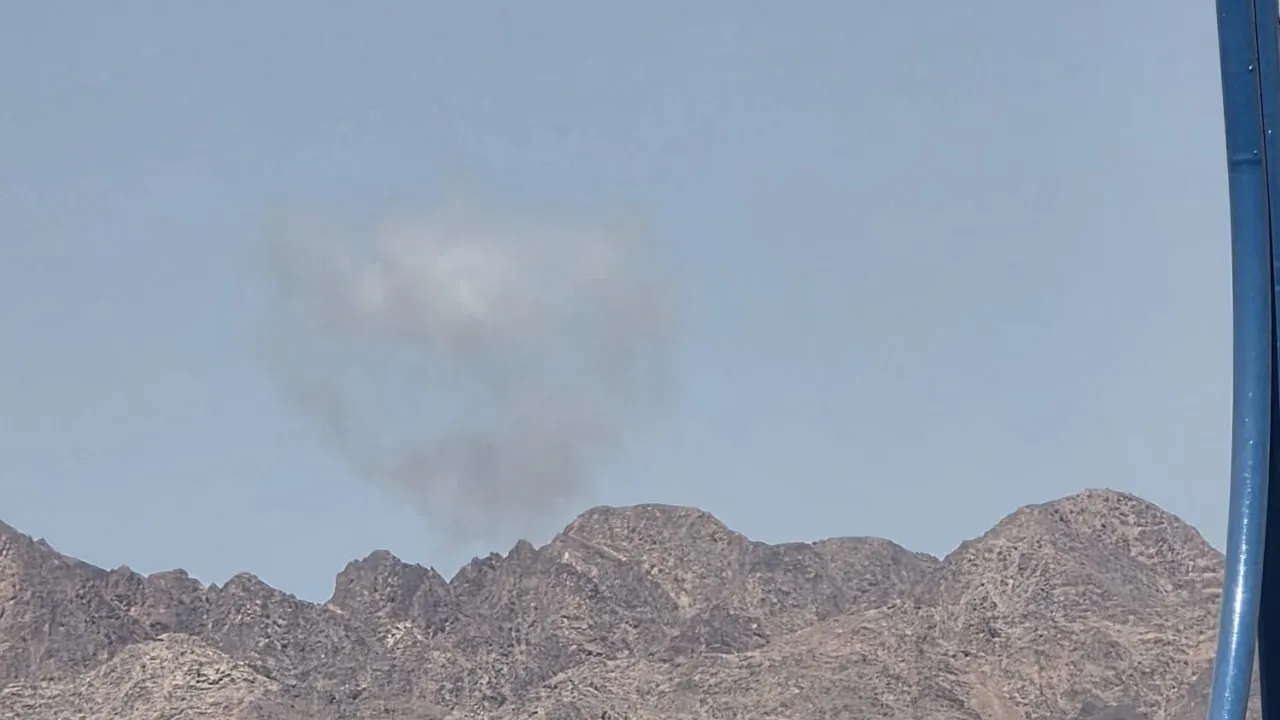
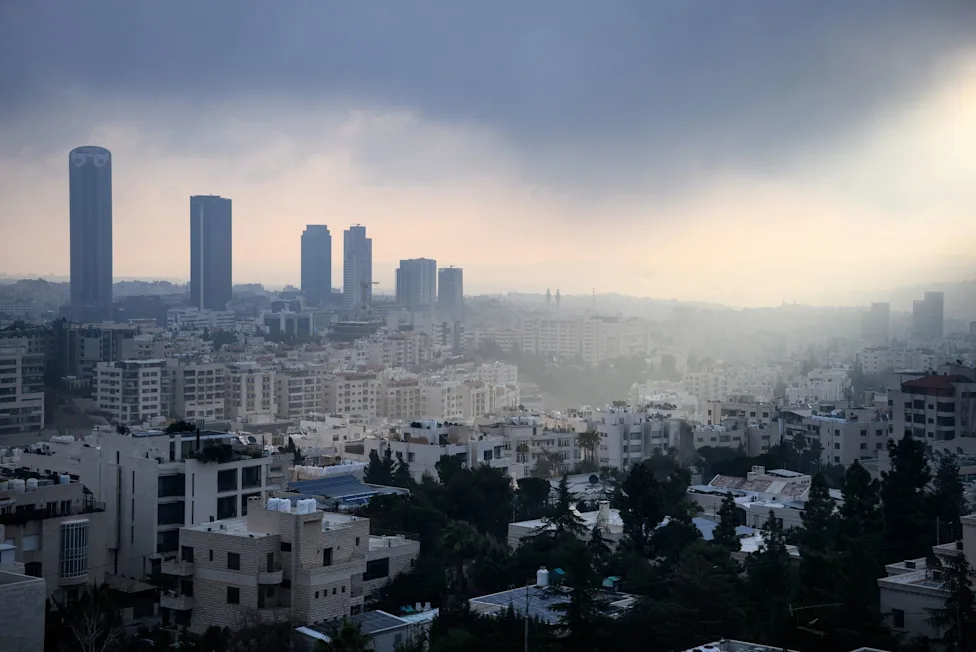
The United States carried out another wave of strikes on Iran overnight into Wednesday, intensifying the military confrontation between the two nations. This marked the eleventh consecutive night of U.S. Strikes on Iran, according to reports from the U.S. Military. The sustained nature of these operations indicates a prolonged period of military engagement. Amidst these actions, Iran launched a missile attack targeting a Jordanian city near Israel's border, a move that immediately prompted alerts in neighboring Bahrain and Saudi Arabia, showing the regional impact of the conflict. Jordan’s military reported intercepting four Iranian missiles over Aqaba, demonstrating defensive capabilities against the incoming projectiles. In addition to the intercepted missiles, two additional missiles reportedly landed in “uninhabited areas,” indicating the potential for wider collateral damage. Jordanian forces also stated they intercepted four Iranian drones during the incident, further noting the multi-faceted nature of Iran's recent offensive actions. These drone interceptions point to a sophisticated and varied approach by Iran in its retaliatory strikes.
Iran’s Health Ministry reported that U.S. Strikes over the past 11 days have resulted in the deaths of 53 people, a tragic toll that reflects the intensity of the ongoing military operations. Among the fatalities were six women and three children, a detail that brings into sharp focus the civilian impact of the conflict. The ministry also stated that nearly 600 people have been wounded in these strikes, indicating widespread injuries and a significant humanitarian crisis developing on the ground. Concurrently, the U.S. Re-imposed a blockade on Iranian ports, a measure designed to exert economic pressure and further isolate the nation. This blockade is expected to severely impact Iran's ability to conduct international trade, particularly its vital oil exports.
Economic and Geopolitical Stakes
The closure of the Strait of Hormuz has significantly impacted the global economy, as the waterway previously facilitated the passage of a fifth of the world’s traded oil and gas during peacetime. This critical choke point's disruption has sent ripples through international markets. This disruption led to an immediate increase in oil prices, with benchmark Brent crude oil climbing to more than $93 a barrel in trading, reflecting investor anxiety and supply concerns. The substantial jump in crude oil prices signals a direct economic consequence of the geopolitical instability in the region. Concurrently, gasoline prices are also reported to be on an upward trend, directly affecting consumers worldwide and adding to inflationary pressures. The rising cost of fuel is a tangible indicator of the global economic reverberations stemming from the conflict.
Iran has asserted its right to manage traffic within the strait and potentially impose fees for passage, a claim that challenges international maritime law and could further exacerbate tensions. This assertion, if acted upon, would fundamentally alter the dynamics of international shipping through the vital waterway. Amidst the escalating tensions, Iran’s paramilitary Revolutionary Guard declared that its retaliatory attacks would persist, signaling an unwillingness to de-escalate the conflict. This statement from a powerful military entity within Iran suggests a continued commitment to confrontational actions. In a diplomatic effort, Iranian Interior Minister Eskandar Momeni traveled to Pakistan, a nation identified as a key mediator in the ongoing conflict, with the stated aim of reviving diplomatic channels. Momeni's visit shows Iran's recognition of the need for external intervention to potentially de-escalate the situation, despite the Revolutionary Guard's defiant stance. The engagement with Pakistan notes a potential, albeit challenging, path toward dialogue.
Further complicating the geopolitical situation, Iran has resumed the enrichment of uranium to levels approaching weapons-grade. This significant development raises international concerns about Iran's nuclear ambitions and its compliance with non-proliferation agreements. This development follows Donald Trump's decision during his first term to withdraw from the 2015 nuclear deal, an agreement that had previously placed restrictions on Iran's nuclear program. The resumption of higher-level enrichment is seen by many as a direct consequence of the U.S. Withdrawal and a challenge to international efforts to prevent nuclear proliferation. The implications of Iran's advanced enrichment activities are profound, potentially altering the regional power balance and increasing the risk of a wider conflict.
Context and Broader Threats
Defense Secretary Pete Hegseth estimated that the United States had spent $37.5 billion on the ongoing conflict so far. This substantial financial outlay notes the immense cost of military operations and the resources dedicated to maintaining U.S. Interests and security in the volatile region. The financial commitment shows the significant resources deployed by the U.S. In the region amidst the escalating tensions, reflecting a long-term and costly engagement. Hegseth's figure provides a clear indication of the economic burden associated with the military actions and defensive postures taken by the United States. This expenditure covers various operational costs, including military deployments, intelligence gathering, logistical support, and defensive measures in response to the volatile situation, illustrating the full nature of the U.S. Involvement. The sustained financial investment also suggests the U.S. Anticipates a prolonged period of instability and potential conflict.
President Trump also signaled that U.S. Forces might soon target an under-construction Iranian nuclear site. This potential target is described as being buried deep under a mountain, indicating a highly fortified and strategically significant facility designed to withstand conventional attacks. Such a move would represent a substantial escalation in the conflict, expanding potential targets beyond conventional military or infrastructure sites to include facilities related to Iran's sensitive nuclear program. The implication of targeting a deeply buried site suggests a high level of military capability required for such an operation and a willingness to confront Iran's most sensitive installations, potentially risking widespread international condemnation.
The site in question is known as Pickaxe Mountain. It is located on the south side of Iran’s Natanz nuclear enrichment site, a facility that has long been a focal point of international concern regarding Iran's nuclear activities. The Natanz facility itself has a history of conflict, having been bombed by the U.S. During the 12-day war between Iran and Israel in 2025, establishing a precedent for targeting such installations. The identification of Pickaxe Mountain as a potential target notes ongoing concerns over Iran's nuclear capabilities and the strategic importance placed on preventing further development of its enrichment program. The previous bombing of Natanz suggests a precedent for targeting such facilities in times of heightened regional conflict, indicating that the U.S. May be prepared to act on this threat. The strategic importance of these nuclear sites shows the gravity of the potential military actions being considered.
International Reactions and Diplomacy
United Nations Secretary-General Antonio Guterres decried attacks in the Strait of Hormuz as “unacceptable” on Tuesday, reflecting widespread international concern over the disruption of global maritime trade and the potential for wider conflict. Guterres's statement emphasized the international community's alarm at the escalating aggression in a key global waterway. U.S. Secretary of State Marco Rubio denounced Iran’s actions in the strait, expressing concern over the dangerous precedent being set by such behavior. Rubio articulated the broader geopolitical implications of Iran's actions, warning of a potential breakdown in international norms. "If we create a precedent in the Middle East where a nation state can decide that they are going to control an international waterway, charge a toll and if you don’t pay them, blow up your ships, we have created a very dangerous precedent which will repeat itself in other parts of the world, including in this region," Rubio stated, noting the potential for similar conflicts in other vital maritime passages globally. His remarks show the U.S. Administration's view that Iran's actions challenge fundamental principles of international law and order, and that failure to address them firmly could lead to a proliferation of similar disputes elsewhere. The international community remains on edge, watching how these latest escalations will unfold and whether diplomatic efforts can avert a wider, more devastating regional conflict. The stakes are high, not only for the nations directly involved but for global stability and economic security.