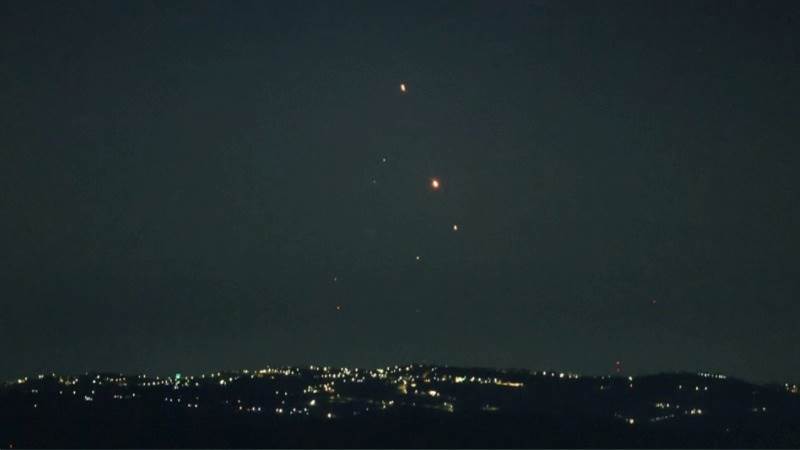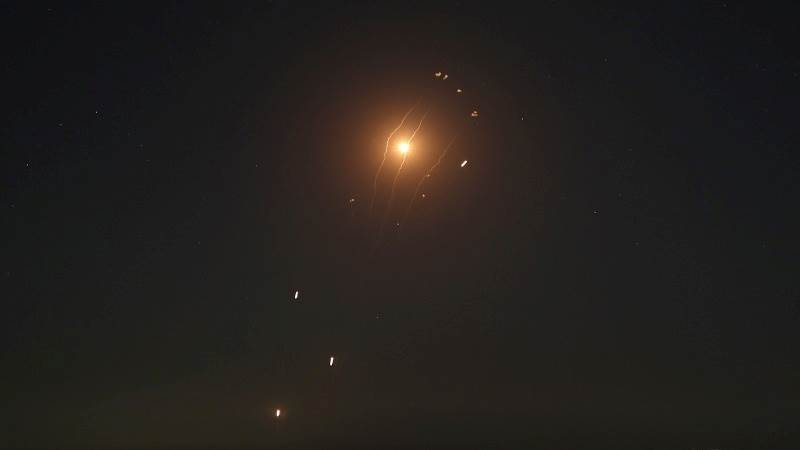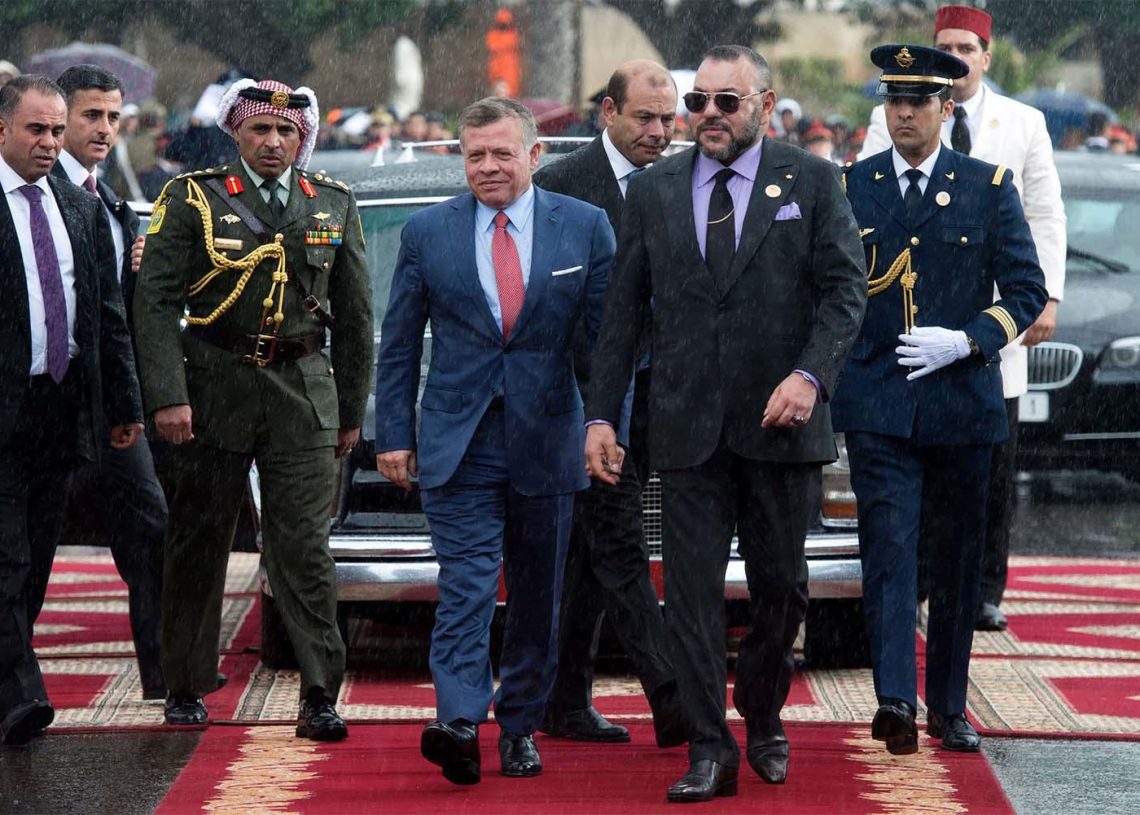
King Mohammed VI sent a message of solidarity to King Abdullah II Ibn Al Hussein of Jordan on Wednesday, condemning Iranian missile attacks against the Hashemite Kingdom. The Royal Cabinet communiqué followed an overnight barrage targeting the Muwaffaq Salti Air Base, also known as Al-Azraq, which hosts US forces in eastern Jordan. Jordan’s armed forces reported engaging 20 ballistic missiles and intercepting 18, with no casualties. King Mohammed VI stated, "I have followed with great concern and indignation the news of the despicable Iranian missile attacks that targeted the territories of the brotherly Hashemite Kingdom of Jordan," adding that the attacks aim "to undermine the stability of your brotherly country." He affirmed "the full solidarity of the Kingdom of Morocco with the brotherly Hashemite Kingdom of Jordan."
Morocco's Strong Condemnation
King Mohammed VI conveyed his "strong condemnation and firm rejection of this unjustified criminal aggression," addressing King Abdullah II Ibn Al Hussein. The Moroccan monarch stated, "I have followed with great concern and indignation the news of the despicable Iranian missile attacks that targeted the territories of the brotherly Hashemite Kingdom of Jordan." He characterized the strikes as "the continuity of Iran’s hostile attitude against your [brotherly country] and the Arab states of the Gulf." King Mohammed VI asserted that the attack "aims to undermine the stability of your brotherly country and the security and safety of the courageous Jordanian people." He reiterated "the full solidarity of the Kingdom of Morocco with the brotherly Hashemite Kingdom of Jordan," emphasizing that "the security of Jordan is inseparable from the security of Morocco." Morocco offers "unwavering and unconditional support for all measures taken by the Jordanian authorities, under your wise leadership." King Mohammed VI also voiced his conviction that "the courageous Jordanian people will, under your wise leadership, overcome the consequences of these heinous aggressions, thanks to its recognized determination, solidarity and fearlessness."
Jordanian Defense and Iranian Claims
King Mohammed VI reiterated Morocco’s stance on regional security, stating that “the security of Jordan is inseparable from the security of Morocco.” This reaffirmation came as details emerged regarding the impact of the Iranian strikes. Jordanian authorities reported that two ballistic missiles ultimately fell in open areas within Jordan. Despite the barrage, a US official characterized the strikes as ineffective, indicating limited operational success for the Iranian ordnance. Moroccan King Mohammed VI had previously conveyed his “strong condemnation and firm rejection of this unjustified criminal aggression” to King Abdullah II Ibn Al Hussein. He described the actions as “the continuity of Iran’s hostile attitude against your [brotherly country] and the Arab states of the Gulf,” asserting they aimed “to undermine the stability of your brotherly country and the security and safety of the courageous Jordanian people.”
Regional Tensions and Oil Impact
Iran’s Islamic Revolutionary Guard Corps (IRGC) described the missile attacks as a "punitive operation" targeting the site. Iran launched these missiles in retaliation for US forces destroying five Iranian oil tankers. The American military, however, characterized the destruction of the oil tankers as a response to earlier Iranian strikes on a US warship. This confrontation marks six months into a war between Washington and Tehran.
The ongoing fighting has significantly impacted global energy markets. Brent crude prices climbed near $100 a barrel as the conflict choked traffic through the Strait of Hormuz. Iran has maintained control over the Strait of Hormuz since the war began in February, further exacerbating concerns about supply disruptions and regional stability.