Jordan's tourism sector, which contributes approximately 14 percent to the national economy and supports around 60,000 direct jobs with an additional 300,000 livelihoods linked to it, has experienced a sharp decline following escalating regional tensions. The United States and Israel attacked Iran in late February, coinciding with the start of Jordan's high tourism season, leading Iran to fire nearly 300 missiles and drones towards Jordan over five weeks. This series of events directly impacted visitor confidence and travel plans. Visitor numbers dropped sharply in March and April, with Yazan Mahadin reporting "100 percent cancellations" by the Monday after the conflict began on a Saturday. The swift downturn noted the vulnerability of the sector to geopolitical instability.
Petra's Empty Sites
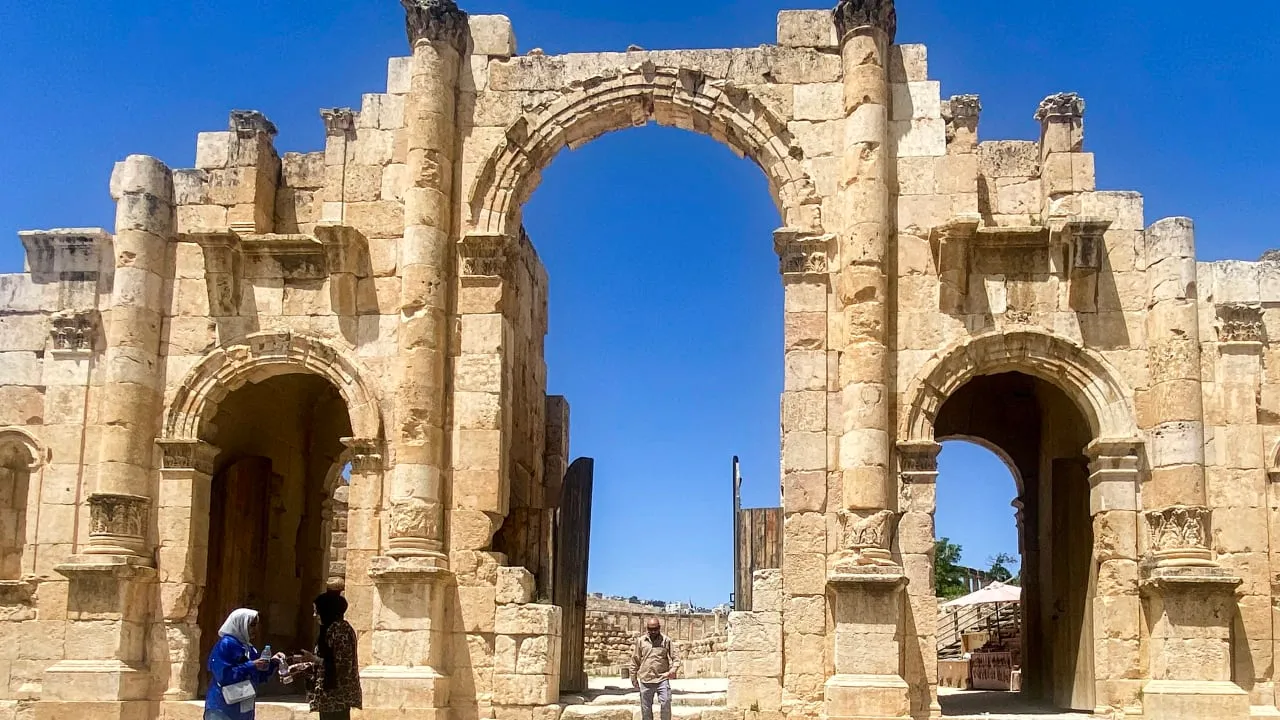
The year began on a strong footing for Jordan's tourism sector, particularly at Petra. In the first two months of the year, 112,000 foreign visitors arrived at the ancient site, indicating a promising start to the tourist season. However, the situation has since deteriorated significantly. Hussein al-Budool, a camel keeper in Petra, starkly stated that tourism is "1 percent of what it was." Despite the severe slowdown in visitors, Mr. Al-Budool worked every day throughout March and April, showing the dedication of those dependent on the industry. Approximately 85 percent of Petra's local population of about 40,000 people depend on tourism for their livelihoods, making the current slump particularly impactful for the community. An electronic music festival held at Petra last year generated $1.5 million over two days, noting the site's previous economic impact and its potential when conditions are favorable. Russian tourist Natalia Yashnk acknowledged the concerns of others regarding travel to the region, stating, "Some of our friends said, ‘You’re crazy,’" but added, "we are lucky to be here with so few people," reflecting the current sparse crowds.
Wider Economic Fallout
Tourism in Jordan has dried up at some sites due to the ongoing conflict in the Middle East over the past two months. This downturn has contributed to a broader economic impact across the country, affecting various sectors interconnected with tourism. Visitor arrivals from Europe saw a substantial 27 percent decrease in March when compared to the same month last year, indicating a significant drop in a key demographic for Jordan's tourism. The aviation sector also experienced significant disruption, with more than 6,000 flights canceled during March and April, further isolating the country and hindering potential visitor flow. Economically, higher oil prices imposed an additional cost of $200 million on the Jordanian government in March alone. Jordan's heavy reliance on external energy sources means it imports 95 percent of its fuel, exacerbating the financial strain from increased oil costs and adding pressure to the national budget.
Uncertain Future
Petra, a key ancient site, saw approximately one million visitors in 2022, demonstrating its capacity and appeal during more stable times. Following the onset of the conflict in Gaza in late 2023, tourist numbers for Petra dropped sharply by about 70 percent, setting a precedent for the current decline. Jordan's government relies significantly on tourism, with reports indicating it contributes up to 18 percent of national revenue, making the sector's health key for the country's fiscal stability. Despite the initial impact of the recent regional tensions, uncertainty persists regarding the sector's recovery. Yazan Mahadin, commissioner of the Petra archaeological park and tourism affairs, encapsulated this sentiment, stating, "The crisis is not over, because no one knows what’s going to happen." The 2022 figure of one million visitors to Petra notes the site's previous capacity and the stark scale of the current downturn, showing the challenges ahead for Jordan's vital tourism industry.