Archaeological evidence has identified a sixth-century mass grave in Jerash, Jordan, as the oldest genetically confirmed plague-related burial site, and the first of its kind in the Eastern Mediterranean. This significant discovery provides unprecedented insights into the First Pandemic, also known as the Plague of Justinian, which was caused by the bacterium Yersinia pestis. The burials in this mass grave date specifically to between 640 and 659 CE, establishing a precise timeline for the outbreak it contains. The Yersinia pestis bacterium is widely recognized as the causative agent for the bubonic plague, making this site key for understanding the historical spread and impact of this devastating disease. The identification of such an ancient and genetically confirmed plague burial in the Eastern Mediterranean marks a key moment in the study of historical pandemics, offering a unique window into the past.
Unearthing a Pandemic's Past
Genetic analysis conducted on the remains recovered from the site revealed a critical detail: all Yersinia pestis genomes identified at the Jerash site belonged to a single, uniform strain. This genetic consistency strongly suggests that the victims interred in the grave perished during one concentrated outbreak, rather than multiple, successive plague events impacting the population over an extended period. This finding provides clear evidence against the notion of a protracted series of infections and points to a singular, intense epidemic event.
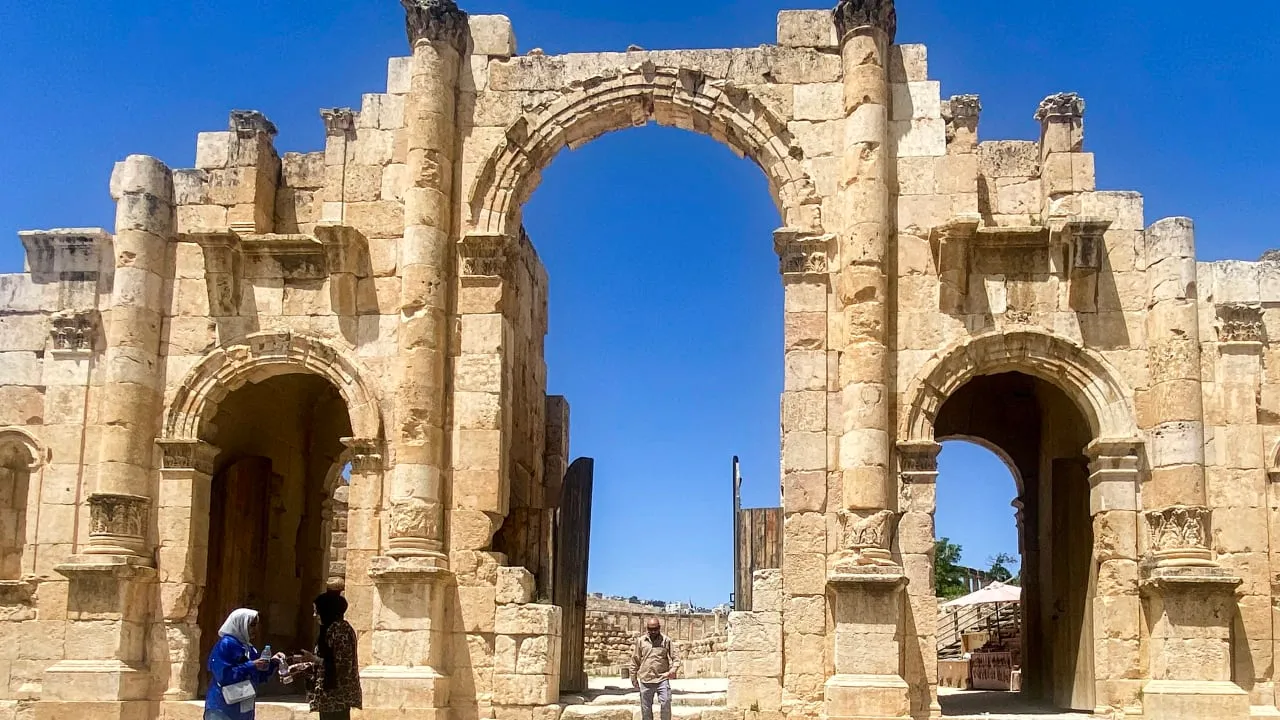
Further contributing to the exceptional preservation of this historical snapshot, the mass grave itself was sealed by a seismic event. Specifically, an earthquake caused the collapse of the hippodrome's stone seating, effectively encasing the remains and protecting them from further disturbance. This geological sealing played a key role in maintaining the integrity of the burial site over centuries, allowing for the detailed archaeological and genetic analyses possible today. The sudden and catastrophic nature of the earthquake ensured that the context of the burial remained largely undisturbed, offering a pristine record of the plague's immediate aftermath.
Archaeological findings meticulously indicate that the bodies were interred rapidly, with minimal funerary structure or individual preparation. This method of burial is highly consistent with mass-casualty events, where the immediate and overwhelming need to manage large numbers of deceased individuals often precludes traditional funerary rites and individual attention. The rapid, unceremonious burial aligns perfectly with the urgency typically associated with severe epidemic outbreaks, where public health concerns and the sheer scale of death necessitate swift action. The earthquake's subsequent role in sealing the site preserved this poignant snapshot of a plague event, capturing the raw reality of a community grappling with widespread mortality.
The Shadow of Justinian
The Plague of Justinian, a devastating pandemic that swept across the Byzantine Empire and beyond, unfolded between 541 and 750 CE. This historical scourge left a lasting and profound impact on the region and its populations, altering demographic patterns and societal structures. Reports indicate that the recent findings at Jerash offer new and significant insights into ancient societal dynamics, particularly concerning population movement. The evidence suggests that both slow, generational migration patterns and crisis-driven movement patterns coexisted and played roles within these ancient communities, noting the complex interplay of factors influencing human mobility during periods of both stability and upheaval. Understanding these dynamics is key for comprehending the broader societal impacts of such widespread epidemics.
Disease and Human Stories
DNA extracted from the remains of more than 230 individuals buried beneath Jerash's second-century hippodrome tested positive for Yersinia pestis. These findings unequivocally confirm the presence of the plague bacterium among the deceased. The ancient remains were discovered compacted between layers of pottery fragments and collapsed masonry within two distinct underground chambers. These chambers, identified by archaeologists as W2 and W3, are believed to have once functioned as a ceramic workshop, repurposed as an emergency burial site during the crisis. This detail shows the desperate measures taken by the community to manage the overwhelming number of casualties.
Crucially, the Jerash grave predates Black Death burial pits from medieval Europe by approximately 800 years. This chronological distinction positions the Jerash site as an unparalleled resource for studying the early phases of plague pandemics and their demographic and genetic footprint. The sheer scale of the burial, involving over 230 individuals, coupled with the genetic confirmation of a single Y. Pestis strain, provides a unique and invaluable dataset for researchers. The discovery not only sheds light on the specific outbreak in Jerash but also contributes significantly to the broader understanding of the First Pandemic, offering a tangible link to a key period in human disease history.