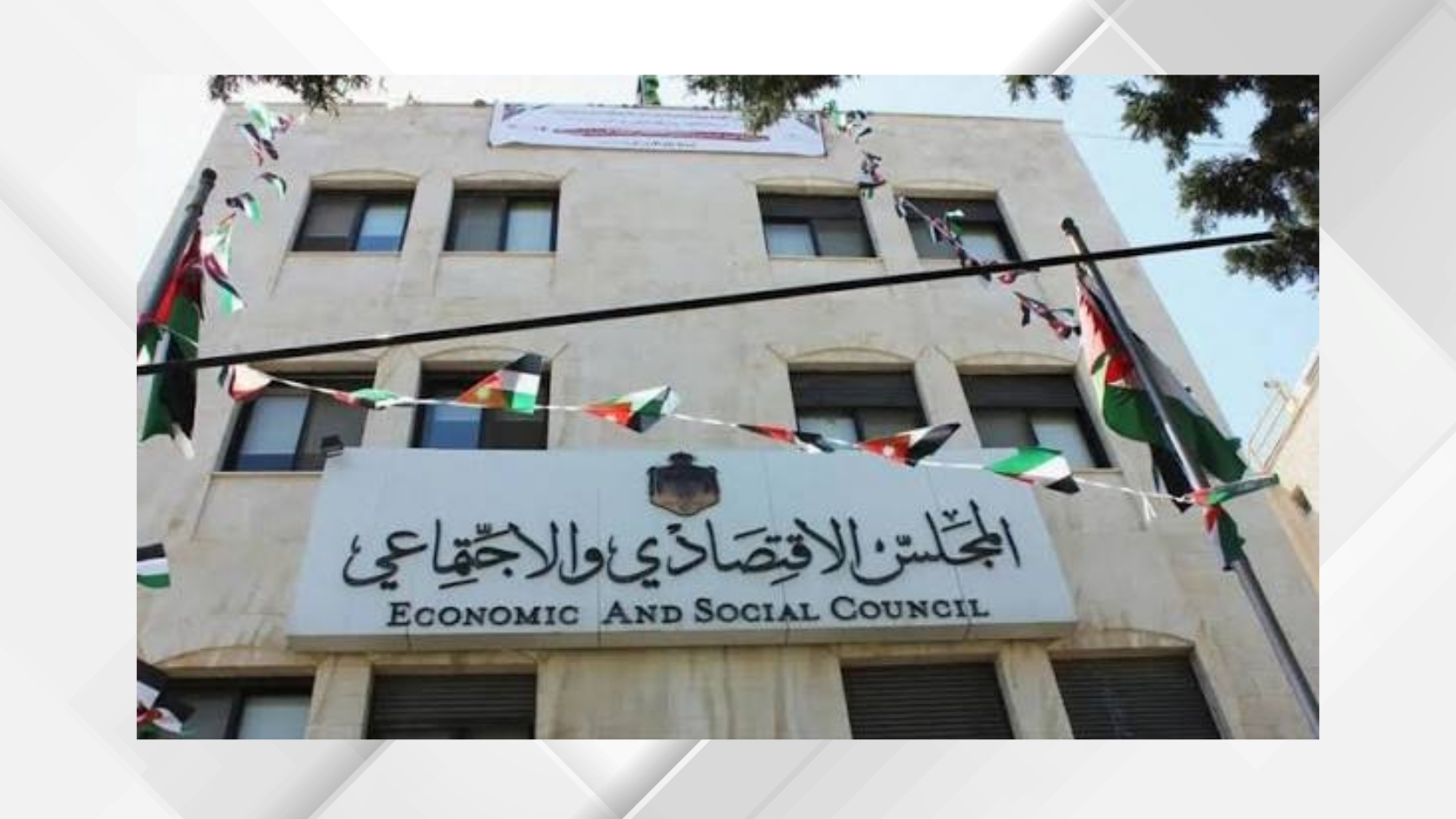
Amman, Aug. 27 (Petra) – A new study released Thursday by the Economic and Social Council (ESC) found that Jordanian university research centers face significant challenges due to funding and resource shortages. The study, which surveyed 30 centers, identified sustainable financing as the primary obstacle to their operations. This constraint accounted for 30.9 percent of all reported limitations, according to the ESC's findings, showing a critical need for stable and adequate financial support to bolster the nation's research capabilities. The report provides a full overview of the sector's current state, noting both its strengths and the considerable hurdles it must overcome to reach its full potential.
Key Challenges Identified
A significant majority of Jordanian university research centers face substantial equipment deficits, according to the Economic and Social Council (ESC) study. The report indicates that 83.4 percent of the surveyed centers lack sufficient equipment necessary for their research activities. This widespread deficiency directly impacts the quality and scope of scientific investigations that can be undertaken. The ESC noted that inadequate infrastructure and outdated technology hinder researchers from conducting advanced experiments and analyses, thereby limiting their capacity to contribute to advanced scientific advancements.
Insufficient equipment often leads to delays in project timelines and can compromise the accuracy and reliability of findings. Researchers are frequently compelled to rely on external facilities or older, less efficient machinery, which can further strain limited budgets and extend project durations. The study suggests that this widespread equipment shortage is a critical impediment to the centers' ability to contribute effectively to national and international research landscapes. Addressing this fundamental resource gap is presented as essential for enhancing Jordan's scientific output and innovation capacity. The ESC's findings show the urgent need for investment in modernizing research infrastructure across Jordanian universities to ensure researchers have the tools required for contemporary scientific endeavors.
Beyond equipment, many Jordanian university research centers operate without independent premises, with 53.3 percent lacking dedicated facilities, according to the study. This logistical challenge can further hinder research activities, collaboration, and the establishment of a distinct institutional identity for these vital centers. The absence of dedicated spaces can complicate the management of sensitive equipment, the secure storage of research materials, and the creation of an optimal environment conducive to sustained scientific inquiry and innovation.
Alignment and Collaboration Efforts
Despite resource limitations, Jordanian university research centers demonstrate strong alignment with national goals and engage in significant external collaborations. A substantial 86.7 percent of these centers indicated that their research plans and outputs are consistent with Jordan’s national priorities, signifying a strong commitment to national development agendas. Collaboration efforts also extend to the private sector, with 63.3 percent of the surveyed centers reporting active cooperation. This engagement with industry can facilitate the translation of research into practical applications and economic benefits. Additionally, approximately half of the centers have established international partnerships, further integrating their research into broader global networks and fostering knowledge exchange. These findings highlight the centers' efforts to contribute to national development and engage with external stakeholders despite facing considerable financial and resource constraints. Such collaborations are key for leveraging external expertise and resources, mitigating some of the domestic shortages.
Expert Recommendations
The Economic and Social Council (ESC) study, which outlines these findings, is titled "Research Centers in Jordanian Universities: Reality, Challenges and Opportunities." Its publication provides a full overview of the sector's current state and potential for growth, offering valuable insights for policymakers and academic institutions. The report was released in Amman on August 27, according to state news agency Petra. The findings are expected to inform discussions on improving the infrastructure and funding mechanisms for university research across Jordan, aiming to create a more supportive and strong environment for scientific discovery and innovation.