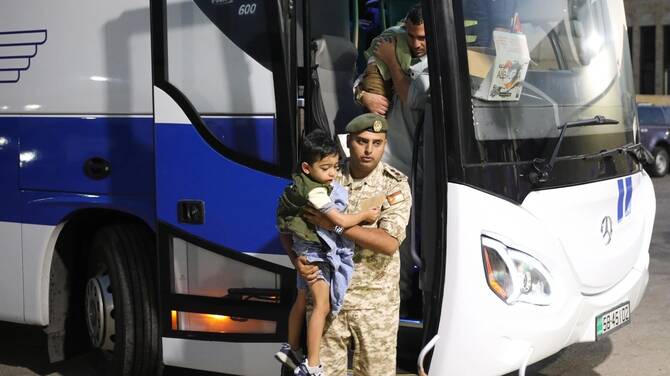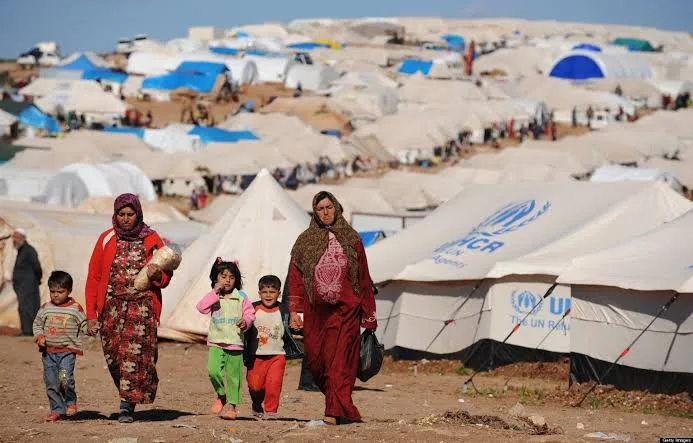
Approximately 220,000 Syrian refugees have voluntarily returned to Syria from Jordan, according to figures released by UNHCR. These returns occur as Jordan continues to host a significant refugee population, primarily from Syria, showing the ongoing demographic shifts in the region.
Youssef Taha, a UNHCR spokesperson, stated, "the total number of Syrian refugees who voluntarily returned from Jordan to Syria reached approximately 220,000 registered refugees." This substantial number notes the scale of the repatriation efforts. Jordan currently hosts about 350,000 Syrian refugees, forming the majority of nearly 375,000 refugees of various nationalities residing in the country. These figures show the considerable burden and humanitarian responsibility that Jordan continues to bear. Of the Syrian refugee population, approximately 20.9%, which amounts to over 79,000 individuals, live in designated refugee camps within Jordan, while the vast majority reside in urban areas and host communities.
Return Trends and Pace
The voluntary returns of Syrian refugees from Jordan to Syria took place between December 8, 2024, and August 24, 2026. This period witnessed a consistent outflow of individuals and families making the journey back to their home country. During this timeframe, the returns maintained a steady pace. Youssef Taha, a UNHCR spokesperson, stated that the organization recorded "a weekly average of approximately 1,300 refugees" making the journey back to Syria. This consistent weekly average indicates a sustained process of repatriation rather than sporadic movements. The consistent pace of returns between December 2024 and August 2026 suggests a structured and ongoing effort for voluntary repatriation.
The nature of these returns varied, with a notable proportion involving entire family units. According to Youssef Taha, "59% of these movements were part of complete family returns." This indicates that a majority of the individuals returning were doing so as part of a collective family decision to relocate, often implying a more stable and planned reintegration into Syrian society. The remaining portion of the returns involved individuals or subsets of families. Taha also noted that "41% were partial returns of family members," suggesting that some family members might have returned while others remained in Jordan, or that only specific members of a household opted to go back to Syria. This could be due to various factors, including assessing conditions in Syria before the entire family relocates, or some family members having established livelihoods or educational opportunities in Jordan.
Jordan's Refugee Landscape
Syrian refugees constitute a significant majority of the refugee population in Jordan, accounting for 92% of all officially registered refugees and asylum seekers in the country. This demographic concentration notes the profound impact of the Syrian crisis on Jordan's humanitarian landscape and its societal infrastructure. The total number of refugees of various nationalities in Jordan is nearly 375,000, with approximately 350,000 of these being Syrian refugees. This makes the Syrian refugee population by far the largest refugee group in the Hashemite Kingdom. The majority of these Syrian refugees live outside of formal camp settings. Specifically, 79.1%, which translates to over 300,000 individuals, reside in urban areas and host communities across Jordan. This distribution indicates a broad integration of the refugee population into the country's cities and towns, rather than being confined to dedicated camps. This integration often involves accessing local services, labor markets, and educational facilities alongside Jordanian citizens. The remaining portion of the Syrian refugee population lives within designated refugee camps, such as Zaatari and Azraq, which are managed with the support of humanitarian organizations.
UNHCR Assistance Programs
Approximately 45,000 refugees have returned to their country since the beginning of 2026. In response to ongoing returns, UNHCR initiated a new pilot phase for its return program within the Zaatari and Azraq refugee camps. This new phase is designed to streamline the repatriation process and provide essential support to returnees. The pilot program aims to ensure that those choosing to return do so in a voluntary and informed manner, with access to necessary assistance.
The return program provides direct financial support to individuals making the journey back to Syria. Each returnee receives a one-time basic cash assistance payment amounting to 70 Jordanian dinars. This payment is intended to assist with immediate needs upon repatriation, such as transportation costs, initial food supplies, or other urgent expenses as they settle back into their communities. This financial aid is a key component of the support package, recognizing the economic challenges many returnees may face.
Beyond the standard payment, additional support is available for families identified as particularly vulnerable. These families can receive an extra assistance payment of $300, which is approximately 210 Jordanian dinars. This targeted aid aims to provide a greater level of financial stability for those facing more significant challenges during their reintegration process, acknowledging that some families may have greater needs due to health issues, lack of resources, or specific vulnerabilities. This additional support is a key feature of the UNHCR's commitment to facilitating safe and dignified returns for all refugees, particularly those most at risk.